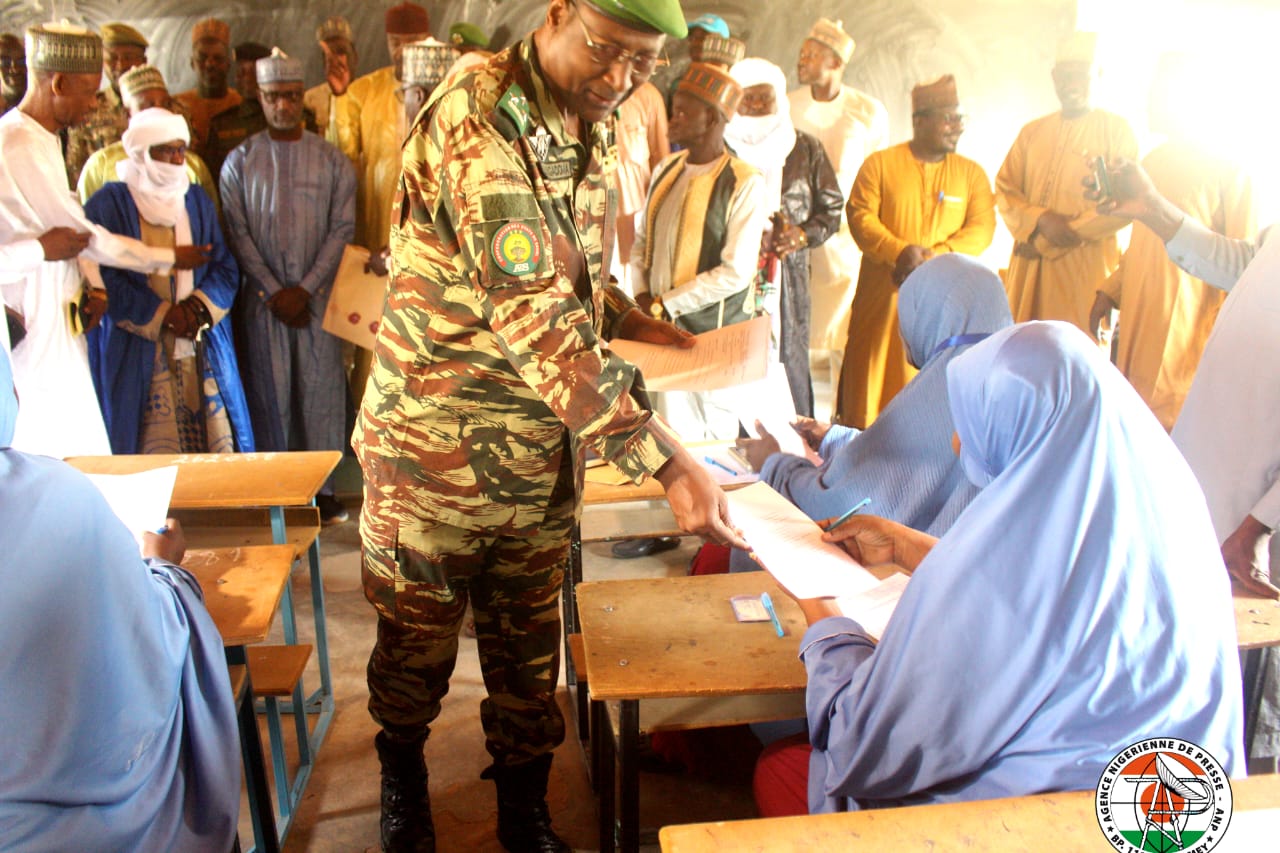
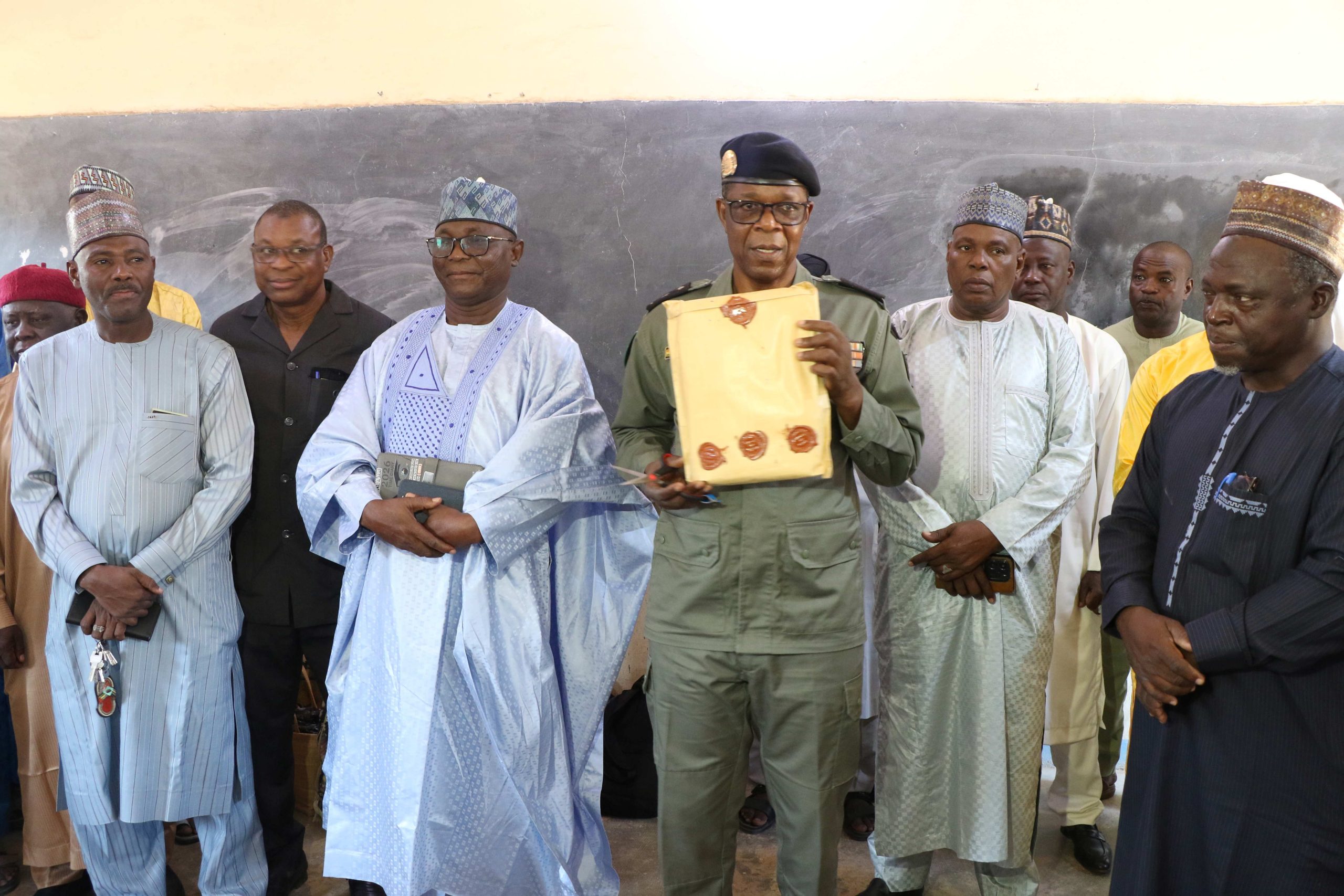
The 2026 agricultural campaign has been definitively established across the entire Tahoua region. This development signals the full operational launch of farming activities within the area for the upcoming season, marking a significant milestone for agricultural planning and execution. The full establishment aims to support local agricultural output and ensure the necessary infrastructure and resources are in place for farmers throughout Tahoua, setting a proactive tone for the year's food production efforts. Efforts to solidify the campaign’s presence have encompassed various preparatory stages, leading to its current status across the region, indicating a careful and coordinated approach. Officials have confirmed that all necessary components for the campaign are now active, providing a structured framework for agricultural production in Tahoua for 2026. This definitive installation across the entire Tahoua region shows a commitment to full agricultural development and food security for the local population.
Campaign Progress and Scope
The 2026 agricultural campaign is fully established across the Tahoua region, marking the full activation of farming activities for the upcoming season. This establishment encompasses all eight departments within the region, ensuring that agricultural initiatives and support structures are operational throughout the entire geographical area, from Abalak to Tchintabaraden. The widespread nature of this activation means that farmers across diverse ecological zones within Tahoua will benefit from the campaign's provisions and guidance. Preparations for the campaign involved extensive coordination among various stakeholders, including local authorities, agricultural services, and farmer cooperatives, noting a collaborative effort to maximize effectiveness. The objective of this widespread establishment is to maximize agricultural productivity and enhance food security for the region's population, addressing both immediate needs and long-term sustainability.
The campaign's scope extends to the provision of essential agricultural inputs, such as improved seeds and fertilizers, which are being distributed to farmers in all departments. This systematic distribution ensures equitable access to high-quality resources that are critical for boosting crop yields. Access to modern farming techniques and agricultural extension services is also being facilitated across Tahoua to boost crop yields and promote sustainable practices, empowering farmers with knowledge and innovative methods. These services include training workshops, field demonstrations, and personalized advice from agricultural experts, tailored to local conditions. Efforts are concentrated on key cereal crops, including millet, sorghum, and maize, which form the staple diet for many communities in the region, recognizing their importance for household food security. Additionally, the campaign supports the cultivation of cash crops to improve farmers' incomes and contribute to the local economy, diversifying agricultural output and providing economic resilience. This dual focus on food security and economic improvement is central to the campaign's strategy.
Infrastructure development for the 2026 campaign includes the rehabilitation and construction of irrigation systems in several areas of Tahoua. These projects are designed to mitigate the impact of irregular rainfall patterns and expand the amount of arable land available for cultivation, particularly in arid and semi-arid zones where water scarcity is a persistent challenge. The expansion of irrigated land is a key step towards reducing reliance on rain-fed agriculture, which is inherently vulnerable to climate variability. Water management initiatives are a central component of the campaign's strategy, aiming to ensure consistent water supply for agricultural purposes throughout the growing season, employing methods such as efficient water harvesting and storage. The widespread nature of these interventions reflects a commitment to full agricultural development across the entire Tahoua region, addressing foundational issues that impact productivity.
The campaign incorporates measures to address livestock health and productivity, recognizing the integral role of pastoralism in the regional economy. Veterinary services, fodder provision, and animal vaccination programs are being implemented across the departments to support livestock breeders, safeguarding animal assets and ensuring the health of herds. These initiatives are vital for preventing disease outbreaks and improving the overall condition of livestock, which are a primary source of income and sustenance for many families. This integrated approach seeks to create a resilient agricultural system that benefits both crop farmers and herders, fostering synergy between different agricultural practices. The full establishment of the 2026 agricultural campaign in Tahoua signifies a concerted effort to enhance the region's agricultural capacity and ensure a productive season for its inhabitants, laying a strong foundation for future growth.
Regional Agricultural Context
The Tahoua region, situated in Niger, relies heavily on agriculture for the livelihoods of a significant portion of its population. This dependence means that the success of agricultural campaigns directly impacts the well-being and economic stability of countless households. Climatic conditions in Tahoua are characterized by a semi-arid to arid environment, which frequently presents challenges for agricultural production due to erratic rainfall patterns and prolonged dry spells. These harsh conditions show the critical need for strategic planning and resilient farming practices. These conditions necessitate a strategic approach to farming, often involving drought-resistant crops and efficient water management techniques, to ensure consistent yields despite environmental pressures. The region's agricultural landscape is diverse, encompassing both rain-fed and irrigated farming systems, alongside extensive livestock rearing, reflecting a multi-faceted approach to food production. Staple crops such as millet, sorghum, and cowpeas are widely cultivated, forming the backbone of food security for many households in Tahoua, providing essential caloric and nutritional intake.
Beyond subsistence farming, commercial agriculture also plays a role in the regional economy, with some farmers engaging in the production of cash crops. This diversification helps to generate income and contribute to the broader economic development of the region. Access to viable markets, agricultural inputs, and modern farming techniques remains a key factor influencing productivity and economic returns for farmers in Tahoua, noting areas where support is most needed. Improving market access involves developing better transportation infrastructure and establishing fair trading practices. Infrastructure development, including the construction and maintenance of irrigation systems, is critical for expanding arable land and ensuring a more stable water supply for agriculture, particularly in areas prone to water scarcity. These investments are essential for transforming marginal lands into productive agricultural zones. Livestock production, integral to the economy and culture of Tahoua, involves various animal species, including cattle, sheep, and goats. These animals provide milk, meat, and hides, and also serve as a form of savings and wealth for pastoralist communities, representing a key component of their socio-economic fabric.
Environmental factors, such as soil degradation and desertification, pose ongoing threats to agricultural sustainability in Tahoua. These challenges are exacerbated by climate change and can severely reduce the productivity of arable land. Efforts to mitigate these challenges often involve promoting sustainable land management practices, such as agroforestry, soil conservation techniques, and the use of organic fertilizers, which help to restore soil health and prevent further degradation. Agroforestry, for instance, integrates trees into farming systems, providing multiple benefits like soil enrichment and shade. Government initiatives and international partnerships frequently focus on enhancing resilience within the agricultural sector through capacity building, technology transfer, and financial support for farmers, recognizing the collective effort required to address these complex issues. These partnerships bring in expertise and resources that are vital for implementing large-scale solutions. The overall agricultural context in Tahoua is thus defined by a continuous interplay between environmental constraints, socio-economic factors, and strategic interventions aimed at fostering food security and economic development, requiring a dynamic and adaptive approach.
Impact and Future Outlook
The full establishment of the 2026 agricultural campaign throughout the Tahoua region is expected to have a substantial impact on food security and economic stability for local communities. By ensuring the operational readiness of agricultural activities across all eight departments, the campaign aims to bolster crop yields and enhance the availability of staple foods like millet, sorghum, and maize, directly addressing the nutritional needs of the population. This full approach is designed to leave no agricultural area underserved, maximizing the potential for regional food self-sufficiency. The provision of improved seeds, fertilizers, and access to modern farming techniques is anticipated to contribute directly to increased agricultural productivity, which is key for a region heavily reliant on subsistence farming and vulnerable to climate shocks. These inputs and knowledge empower farmers to achieve better harvests, thereby improving their livelihoods.
The infrastructure development, particularly the rehabilitation and construction of irrigation systems, is projected to mitigate the effects of erratic rainfall patterns. This focus on water management is designed to provide a more consistent water supply for cultivation, thereby reducing vulnerability to drought and expanding the total arable land under irrigation. Such measures are vital for enabling more stable and predictable harvests, which can improve household incomes and reduce food price volatility in local markets, leading to greater economic security. These irrigation projects represent long-term investments in the region's agricultural future, providing a buffer against climatic uncertainties. The integrated approach, which includes support for livestock health and productivity, further aims to create a resilient agricultural system that benefits both crop farmers and pastoralists, fostering a more balanced rural economy where both sectors can thrive collaboratively. This holistic view recognizes the interconnectedness of different agricultural activities.
Looking ahead, the successful implementation of the 2026 campaign could serve as a model for future agricultural initiatives in other arid and semi-arid regions. The lessons learned and best practices developed in Tahoua can be replicated, offering a blueprint for sustainable agricultural development in similar challenging environments. The emphasis on sustainable land management practices, such as agroforestry and soil conservation techniques, is intended to address long-term environmental challenges like soil degradation and desertification, ensuring the ecological health of the land for future generations. These practices are not just about immediate yields but about preserving the natural resource base. Continued investment in these areas is considered essential for ensuring the sustainability of agricultural production in Tahoua beyond the immediate campaign period, requiring ongoing commitment and resources.
Further development of market access and value chain integration for both staple and cash crops remains a critical area for future focus. Improving farmers' ability to bring their produce to market efficiently and secure fair prices would amplify the economic benefits derived from increased yields, translating agricultural success into tangible economic gains for producers. This includes strengthening local markets and exploring opportunities for regional trade. Additionally, ongoing capacity building for farmers and agricultural extension workers will be key to adapting to evolving climatic conditions and adopting new, more efficient farming technologies, ensuring continuous improvement and innovation. The full nature of the 2026 agricultural campaign establishes a strong foundation for sustained agricultural growth and resilience within the Tahoua region, with the definitive installation across the entire Tahoua region marking a key step towards a more secure and prosperous agricultural future.