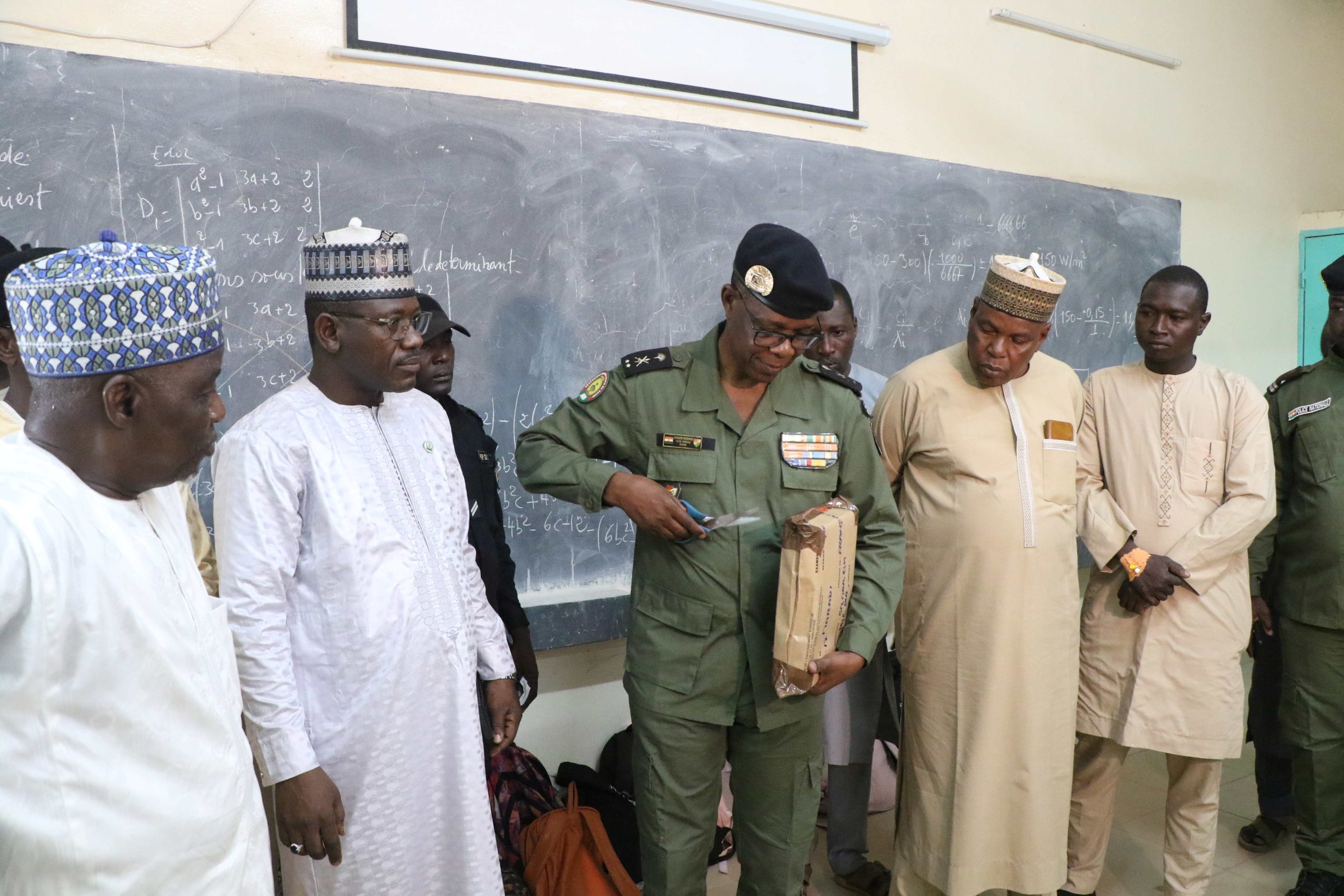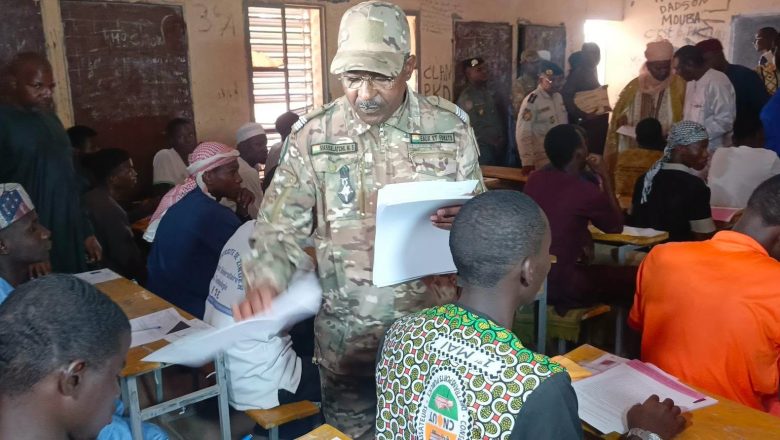
The 2026 Baccalauréat written exams commenced in Niamey on July 14, 2026. Candidates across the city began the examinations, which are a critical step for university admission. The start of the Baccalauréat cycle marks a significant period for students in the region, with the written portion being a major component of the assessment process. These full examinations are a culmination of years of secondary education, designed to evaluate the academic readiness of students for higher learning. Officials overseeing the exams in Niamey reported a smooth initial phase, indicating that the logistical arrangements were implemented effectively. The proceedings are being closely monitored to ensure fairness and adherence to educational standards across all examination centers. The successful commencement of the exams is vital for maintaining the integrity of the national education system.
National Scope and Regional Feedback
Over 89,000 candidates are registered nationally for the 2026 Baccalauréat examinations. This figure encompasses all students participating across various regions, noting the widespread nature of the annual assessment. The national scope of the Baccalauréat ensures a standardized evaluation for all eligible students, regardless of their geographical location. Reports from different examination centers are beginning to emerge as the initial stages of the written tests conclude, providing an early indication of candidate sentiment.
In Tahoua, candidates expressed positive feedback regarding one of the core subjects. Students there found the French exam for the 2026 Baccalauréat to be "très abordable," indicating they perceived it as very manageable. This regional feedback suggests an initial level of comfort with the difficulty of the papers presented to candidates outside the capital. The positive reception in Tahoua contributes to a broader understanding of how the exams are being received across the country, suggesting that the difficulty level might be consistent with students' preparation. Such early reports are key for education authorities to gauge the overall success of the examination design.
Exam Context and Candidate Numbers
In the Niamey region, 30,024 candidates are participating in the written and practical exams for the 2026 Baccalauréat. These examinations are a key step for students seeking university admission within the region, determining their eligibility for various higher education programs. The number represents a significant portion of the total candidates across the country, showing the scale of the educational assessment in the capital. The exams encompass both theoretical papers and practical components, which are designed to evaluate a broad range of skills and knowledge acquired during their secondary education. This full approach ensures that students are assessed not only on their theoretical understanding but also on their practical application of knowledge. This regional participation is a key factor in the overall administration of the national Baccalauréat cycle, with results from Niamey influencing the broader educational landscape and university admissions processes.
Candidate Perceptions
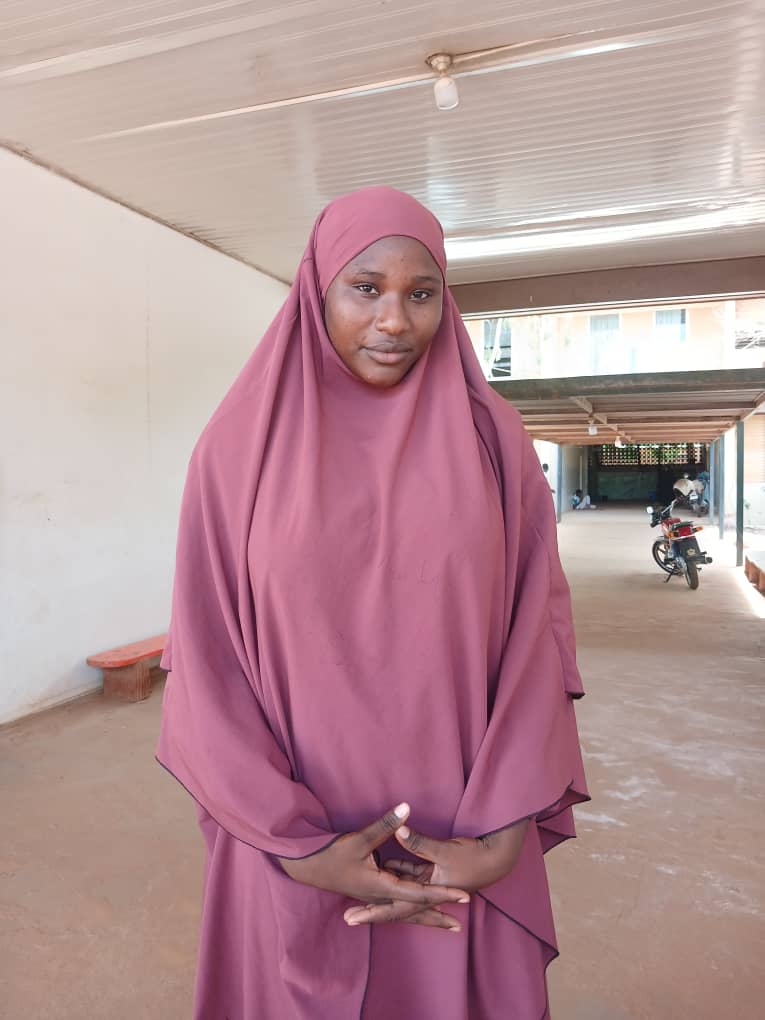
Candidates in Niamey described the written examinations for the 2026 Baccalauréat as "abordables," meaning manageable or affordable. This assessment indicates a general sense of ease among students regarding the difficulty of the papers presented. The feedback from the capital city aligns with initial reports from other regions, suggesting a degree of uniformity in candidate experience across the country. The perception of manageability among those taking the exams is a key indicator of the initial phase of the Baccalauréat process. Students' comfort with the exam content can contribute to a smoother overall examination period, potentially reducing stress and allowing candidates to perform to their best abilities. The term "abordables" suggests that the questions were within the expected scope of their studies, allowing candidates to approach the assessments with confidence and demonstrate their acquired knowledge effectively. This positive outlook from candidates is a promising sign for the ongoing examination period.