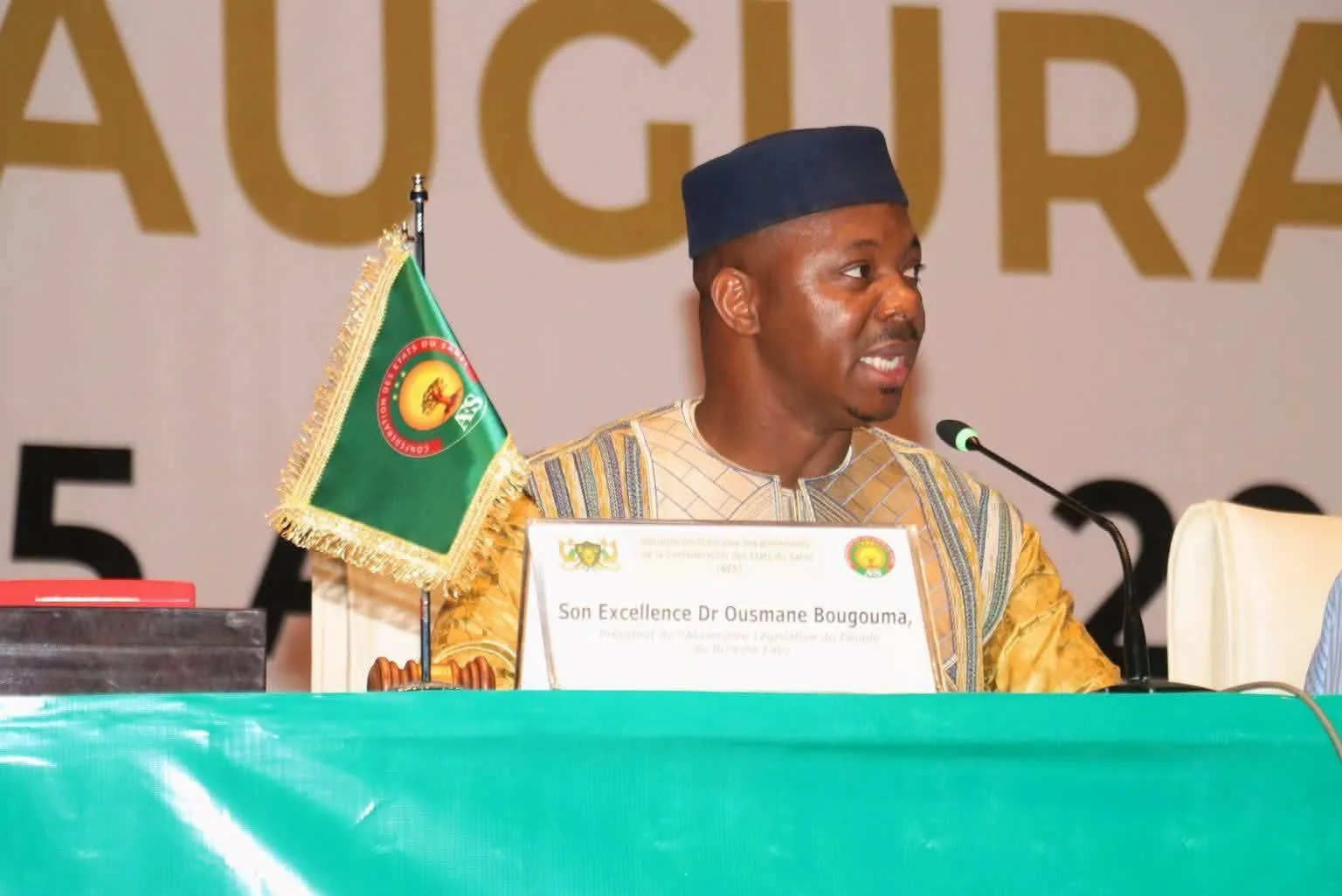
The first session of the Alliance of Sahel States (AES) Federal Parliament is currently underway, aiming to transition the political and security alliance into a true institutional organization. The parliament convenes as the AES, comprising Burkina Faso, Mali, and Niger, enters a new and critical phase. This period necessitates that institutional effectiveness underpins the existing political enthusiasm within the alliance, ensuring that the grouping's ambitions are matched by strong structures. The transformation seeks to solidify the grouping's operational framework, moving beyond a purely security-focused pact to a more full confederation.
Building Institutional Architecture
The architecture of the confederation is meticulously designed to encompass a broad range of operational political, financial, media, and security bodies. These structures are specifically intended to solidify the institutional framework of the Alliance of Sahel States (AES), providing the necessary backbone for its long-term viability and effectiveness. Specific examples of these proposed AES bodies include the Federal Bank for Investment and Development, which aims to manage financial matters across member states and foster economic integration. Additionally, the alliance plans to establish federal media outlets to disseminate information, foster common narratives, and promote a shared identity among the populations of Burkina Faso, Mali, and Niger. A unified force against terrorism is also cited as a key component of this institutional build-out, demonstrating a clear and continued focus on collective security and stability within the region. These initiatives collectively reflect the alliance's intention to develop full, multi-sectoral institutions capable of addressing the diverse challenges and opportunities facing the member states.
Key Questions on Capacity and Scope
As the first session progresses, questions are being raised regarding the true scope of the Parliament's decisions, specifically whether its role will be purely consultative or if it will possess normative capacity, allowing it to enact binding legislation. Further inquiries concern the precise mechanism for transposing federal-level decisions into the national legislations of member states, a key aspect for ensuring effective implementation. The representation of diverse populations and how their interests will be integrated and effectively carried within the new federal architecture is also a key question for observers, noting concerns about inclusivity. Concerns exist that an institution operating largely behind closed doors risks replicating the deficiencies and lack of accountability observed in certain older regional structures, potentially undermining public trust. These points show the pressing need for clarity on the operational framework, decision-making powers, and democratic accountability of the AES Federal Parliament as it embarks on its mandate.
Ensuring Transparency and Accountability
The credibility of the Alliance of Sahel States (AES) Federal Parliament hinges significantly on its transparency, the public availability of its work, and the opportunity for citizens to monitor its debates and proceedings. This emphasis on openness aims to foster public trust and engagement with the new federal institution, ensuring it is perceived as legitimate and accountable. The operational costs associated with the AES Federal Parliament's activities require proper and transparent budgeting, aligning with the financial planning for other initiatives outlined in the alliance's roadmap. This budgetary consideration is essential for ensuring the sustainable functioning of the parliamentary body and preventing financial mismanagement. The publication of its work is seen as a vital step towards achieving this transparency.
Measuring Success by Citizen Impact
Ultimately, the success of the Alliance of Sahel States (AES) Federal Parliament will be measured by the tangible responses it provides to the daily concerns of citizens. This includes populations in Ouagadougou, Bamako, and Niamey, the capitals of Burkina Faso, Mali, and Niger respectively, as well as those in the broader regions. The parliament's effectiveness will be assessed based on the practical and positive outcomes it delivers to these communities. The focus on citizen impact shows a commitment to practical outcomes over purely institutional development, emphasizing that the new structures must serve the people. Observers anticipate that the parliament's actions must directly translate into improvements for the populations it represents, addressing their needs and aspirations. This metric will be key in evaluating the new federal body's legitimacy and operational value in the eyes of its constituents.