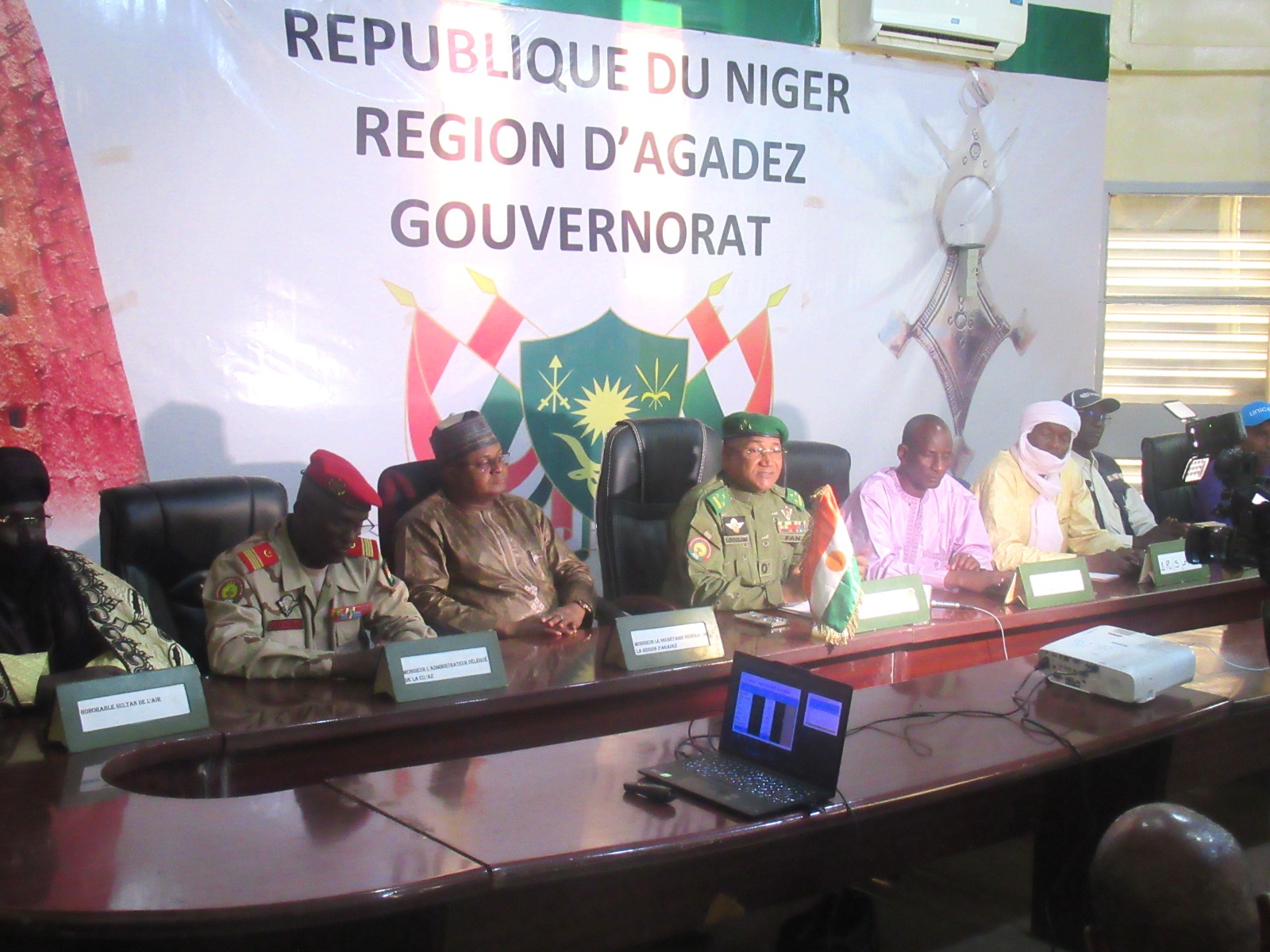
A key meeting to evaluate the first phase of the National Vaccination Campaign against Poliomyelitis officially opened in Agadez on Thursday, April 30, 2026. This significant gathering, held in the distinguished Governorate's Meeting Room, focused intently on reviewing the initial passage of the campaign. This key vaccination effort, a critical public health initiative, specifically targeted the Agadez Region. Participants at the meeting meticulously assessed the implementation strategies and the preliminary outcomes achieved during the first stage of the polio vaccination drive within the region. The full evaluation aimed to identify strengths, address challenges, and ensure the continued effectiveness of future public health interventions against poliomyelitis.
Campaign Details and Goals
The initial passage of the National Vaccination Campaign against Poliomyelitis in the Agadez Region was rigorously conducted over a four-day period, commencing on April 24 and concluding on April 27, 2026. This intensive initial phase was meticulously designed with clear and ambitious public health objectives specific to the region. At its core, the campaign sought to significantly strengthen children's immunity against the debilitating polio virus. A primary and overarching goal was to definitively interrupt virus circulation throughout the entirety of the Agadez Region, thereby safeguarding its youngest and most vulnerable population. The vaccination effort focused with precision on reaching all eligible children, aiming to build a strong and widespread protective barrier against the disease. Health authorities meticulously designed the campaign to ensure widespread coverage across diverse communities, thereby maximizing its impact and substantially reducing the risk of transmission. The concentrated four-day period allowed for an intensive and coordinated effort to administer the vaccine across various communities, from urban centers to remote villages. The ongoing evaluation meeting in Agadez is now critically assessing the effectiveness of these initial steps in meeting the campaign's ambitious targets for public health and regional disease eradication.
Context of Polio Fight
The persistent fight against poliomyelitis remains an undisputed national and international public health priority, as consistently noted by health authorities. Poliomyelitis is unequivocally described as an invalidating disease, characterized by its severe and often permanent debilitating effects, which primarily affects children under five years old. Medical understanding and extensive research unequivocally indicate that this severe disease can be effectively prevented through consistent and regular vaccination. This ongoing global effort to eradicate polio shows the profound importance and urgency of campaigns such as the one recently conducted with dedication in the Agadez Region. Effective and widespread vaccination programs are considered absolutely key in protecting vulnerable populations, particularly young children, from the debilitating and life-altering effects of the virus. The disease's disproportionate impact on children under five years old emphatically notes the critical necessity of targeted immunization strategies designed to build strong immunity at an early and key developmental age. Regular vaccination is presented as the primary and most reliable method to interrupt the transmission cycle of the virus and ultimately work towards the complete elimination of the disease from affected regions, ensuring a healthier future for generations to come.
Governor's Remarks on Mobilization
The evaluation meeting, a critical forum for assessing public health efforts, was honorably presided over by the Governor of the Agadez Region, General of Division Ibra Boulama Issa. During the session, General of Division Ibra Boulama Issa delivered an important statement, affirming that the Agadez region had effectively mobilized its resources to ensure optimal vaccination coverage during the first phase of the campaign. He showed the profound importance of strong community participation and the necessity of coordinated efforts across various governmental and non-governmental sectors to successfully reach the target population. The Governor’s remarks powerfully noted the unwavering commitment to achieving public health objectives and safeguarding the well-being of the region's inhabitants. He further noted that full mobilization, encompassing logistical support, public awareness campaigns, and dedicated health personnel, was absolutely critical for the campaign's success in protecting children from the devastating impacts of poliomyelitis. This collective regional effort exemplified a strong dedication to public health.