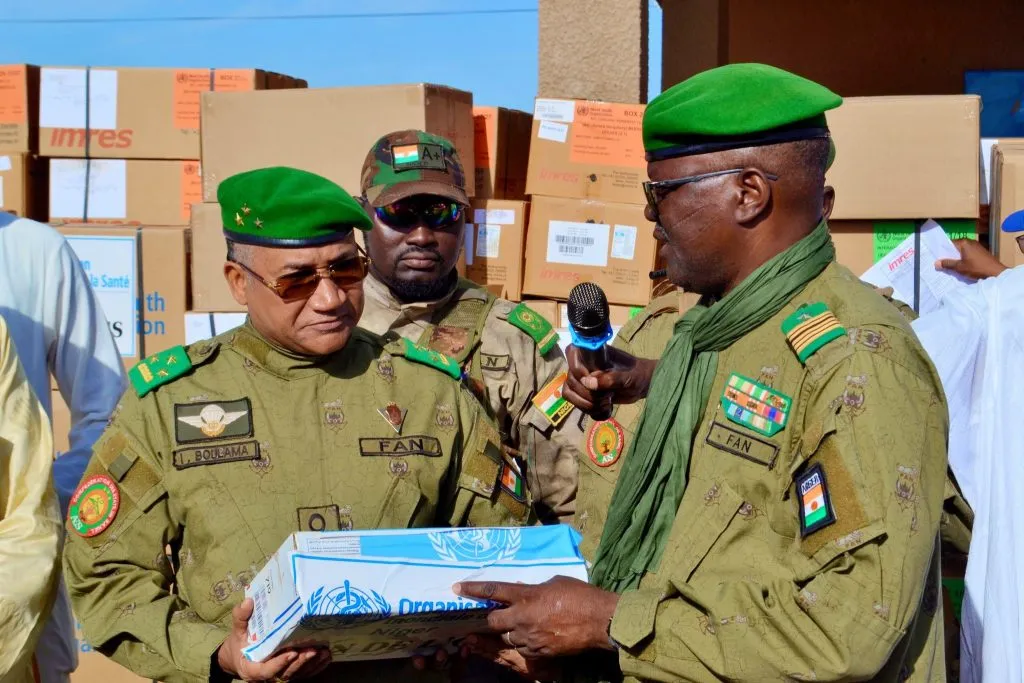
A seasonal malaria chemoprevention campaign in Niger's Agadez region achieved a 105% coverage rate, according to results presented on Tuesday, September 1, 2026. This significant achievement notes the effectiveness of targeted public health interventions in combating the persistent threat of malaria within the region. The findings were unveiled during a meeting presided over by the region's governor, who commended the efforts of all involved. The campaign successfully surpassed its targets in Agadez, demonstrating a strong response to the critical health challenge posed by malaria.
Campaign Success Detailed
The seasonal malaria chemoprevention campaign successfully treated 163,680 children aged 0 to 59 months. This substantial number shows the extensive reach of the initiative across the Agadez region. This figure exceeded the initial target, which aimed to provide treatment to 156,000 children within the same age group. The overachievement in coverage, reaching 105% of the projected goal, indicated a broader reach than initially projected for the health initiative in the Agadez region. This success is particularly noteworthy given the logistical challenges often associated with large-scale public health campaigns in diverse geographical areas. The full nature of the intervention ensured that a greater number of vulnerable young children received the necessary preventive treatment, contributing significantly to their protection against the disease.
Malaria's Persistent Threat
Malaria continues to pose a significant public health challenge in Niger, particularly affecting children under five years old. The disease represents a substantial burden on the healthcare system and contributes to child morbidity and mortality rates across the country. This persistent threat makes interventions like the Agadez campaign critically important for public health outcomes. Efforts to combat malaria remain a priority for health organizations and the government in Niger, reflecting the severe impact the disease has on the population. The vulnerability of young children to severe forms of the illness shows the necessity of targeted interventions, such as the chemoprevention campaign conducted in the Agadez region. Public health initiatives are designed to mitigate the impact of malaria, aiming to reduce infection rates and improve health outcomes for this susceptible demographic. The ongoing struggle against malaria requires continuous and concerted efforts to protect the most vulnerable segments of society.
Public Health Context
Health professionals in Niger emphasize the importance of early consultation for malaria symptoms, the implementation of seasonal prevention strategies, and the consistent use of treated mosquito nets. These measures are central to the country's public health efforts to combat the disease and form the cornerstone of prevention strategies. The focus on these interventions aims to reduce malaria incidence and severity, particularly among vulnerable populations like young children. Health authorities advocate for these practices as key components in their ongoing fight against the parasitic illness, noting their role in both preventing infection and ensuring timely treatment. Educational campaigns often accompany these efforts, raising awareness among communities about the importance of these preventive actions and the signs of malaria that require immediate medical attention. The integrated approach combines treatment, prevention, and public awareness to maximize impact.
Outlook and Vigilance
The successful campaign performance in Agadez does not eliminate the risk of malaria in the region. Health officials indicate that despite exceeding treatment targets, the persistent threat of the disease necessitates continued vigilance and sustained public health efforts. The Agadez region, like many parts of Niger, remains susceptible to malaria transmission, particularly among vulnerable populations such as young children. Ongoing monitoring and preventive measures are key to consolidate the gains achieved and prevent potential resurgence of the disease. Authorities show that while the recent intervention was effective, it forms part of a broader, long-term strategy to mitigate malaria's impact. The commitment to maintaining high coverage rates for chemoprevention and other protective measures will be essential in the years to come to ensure the long-term health and well-being of children in the region.