Baccalauréat exams commenced on July 14, 2026, across Niger's Agadez region, involving 3,764 candidates. The launch of these key examinations was overseen in Bilma by Captain Lamine Ahmed Chegou. The region faces significant logistical challenges in administering the exams, yet authorities have moved forward with the process. Thousands of students are participating from various localities within Agadez, marking a key educational event for the year. This year's Baccalauréat session is particularly significant for the 3,764 candidates, whose academic futures hinge on their performance in these tests. The examination period, which officially began on July 14, 2026, represents a culmination of years of study for these young individuals. Despite the inherent difficulties associated with organizing such a large-scale event in a geographically expansive and often challenging environment, the regional administration has demonstrated a strong commitment to ensuring the continuity of education. The successful commencement of the exams shows the determination of both the authorities and the students to overcome obstacles in pursuit of academic advancement.
Exam Centers and Candidate Distribution
The Baccalauréat exams are being conducted across ten examination centers situated throughout the Agadez region. These centers are strategically located in key towns and localities to accommodate candidates from various areas. Specifically, examination centers have been established in Agadez, Arlit, Bilma, Iférouane, Dingaré, Ingall, Timia, and Akokan. The establishment of these ten centers across the vast Agadez region is a testament to the extensive planning required to reach all eligible students. By decentralizing the examination process, authorities aim to reduce travel burdens for candidates and ensure equitable access to the tests. Each center is equipped to handle the administrative and security requirements necessary for a fair and secure examination environment. The distribution of these centers reflects a careful consideration of population density and geographical accessibility within the region.
Candidate distribution varies significantly across these locations. The department of Arlit accounts for a substantial number of participants, with 889 candidates registered. Within this department, 848 candidates are taking their exams in Arlit itself, while an additional 41 candidates are located in Iférouane. This concentration of candidates in Arlit notes its role as a major population hub within the region. Bilma hosts 131 candidates, with a notable representation of 88 girls among them. The significant number of female candidates in Bilma is particularly encouraging, reflecting efforts to promote girls' education in the region. Further south, the town of Ingall is accommodating 84 candidates for the exams. These figures illustrate the diverse demographic and geographic spread of students participating in the Baccalauréat. The precise allocation of candidates to specific centers is a complex logistical exercise, designed to optimize resource use and minimize disruption for students.
Logistical and Security Mobilization
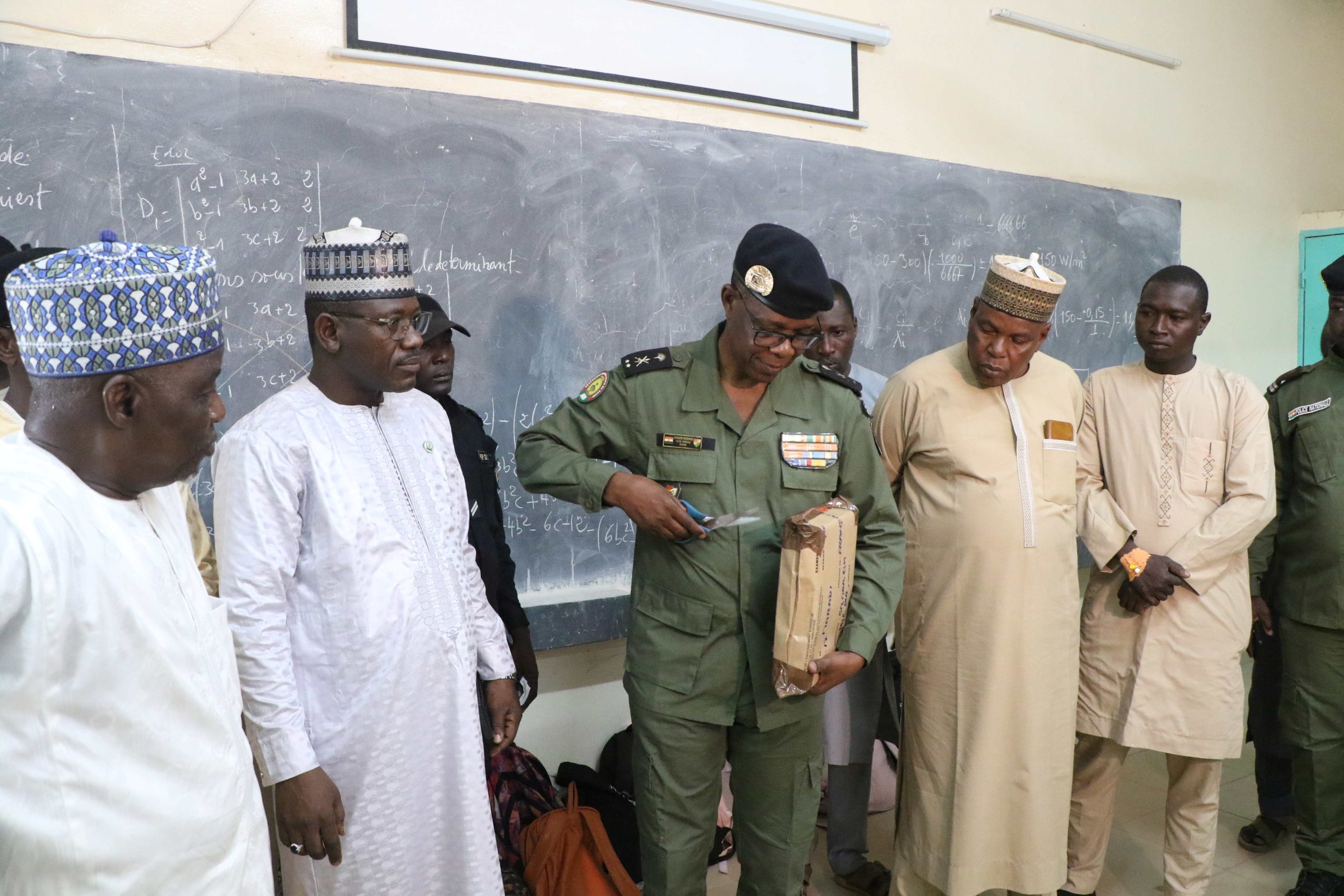
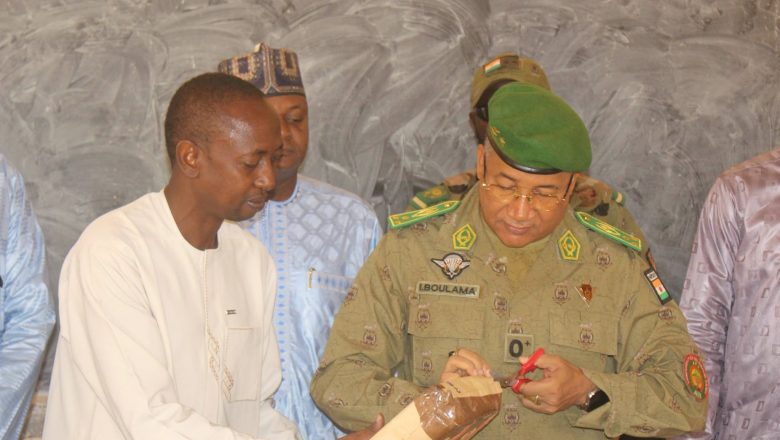
The Governor of Agadez, Général de Division Ibra Boulama Issa, marked the official commencement of the Baccalauréat exams by symbolically opening the first envelope of written exam papers. This event took place at CES Maï Manga Oumara, a key examination center in the region. The governor's presence showed the regional administration's involvement in the examination process, which is critical for students' progression to higher education. The ceremonial opening is a standard practice designed to ensure transparency and proper procedure as the exams begin. This high-level participation from Général de Division Ibra Boulama Issa emphasizes the regional government's commitment to the integrity and successful execution of the Baccalauréat examinations. His act of opening the first envelope at CES Maï Manga Oumara not only symbolized the start of the tests but also served to reassure candidates and their families about the seriousness and fairness of the process.
In the department of Arlit, Lieutenant-colonel Almoustapha Ousmane, the prefect, oversaw the launch of the examinations. His supervision occurred at the TARAT complex, one of the designated examination venues in the area. This involvement from local administrative and security officials notes the full approach taken to manage the exams across various locations, particularly in areas with significant candidate populations, such as Arlit. The presence of the prefect aimed to ensure the smooth execution of the initial stages of the examination process. Lieutenant-colonel Almoustapha Ousmane's direct oversight at the TARAT complex in Arlit demonstrates the decentralized yet coordinated nature of the examination launch. His role was key in ensuring that all protocols were followed, and that the examination environment was conducive to fair testing for the substantial number of candidates in that department. This local leadership is vital for addressing specific challenges that may arise in different localities.
Further south, in Ingall, Customs inspector Hamed Alkassoum Aidor was tasked with overseeing the compositions. His role involved monitoring the examination proceedings to maintain integrity and compliance with established rules. This delegation of supervisory duties to various officials across different localities demonstrates a decentralized yet coordinated effort to manage the logistical demands of the Baccalauréat exams in the Agadez region. The deployment of officials like Aidor helps ensure that all examination centers adhere to national standards. The involvement of Customs inspector Hamed Alkassoum Aidor in Ingall illustrates the broad inter-agency cooperation required for these exams. Each supervisor, whether from the military, civil administration, or other governmental bodies, plays a critical role in upholding the strict rules and regulations governing the Baccalauréat, thereby guaranteeing the credibility of the results.
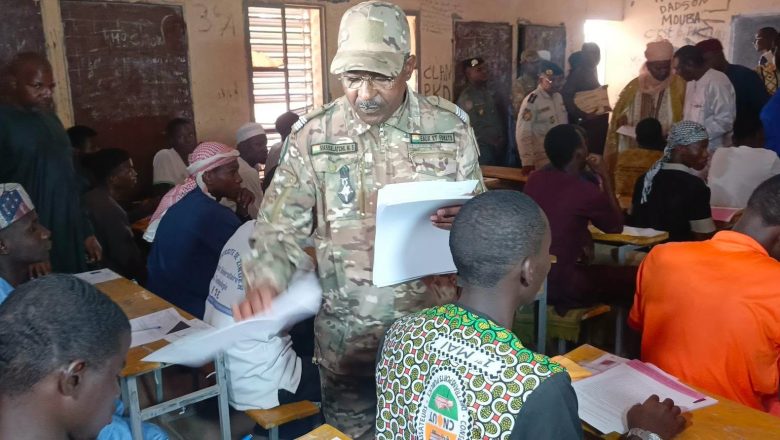
The first French subjects were distributed to candidates on July 14, 2026, marking the official start of the written tests for all participants. This distribution followed the symbolic openings and supervisions conducted by regional and local authorities. The simultaneous distribution of exam papers across the various centers in Agadez signified the unified launch of the Baccalauréat examinations, aligning with the national schedule. The choice of French as one of the initial subjects reflects its importance in the national curriculum and the standardized nature of the exams across the country. The coordinated release of these papers on July 14, 2026, ensures that all 3,764 candidates begin their examination journey simultaneously, under consistent conditions, reinforcing the fairness of the assessment process.
Broader Significance and Future Outlook
The organization of the Baccalauréat examinations in the Agadez region relies on a collaborative effort involving various governmental and security entities. This full approach brings together the regional administration, security forces, local authorities, and education officials to ensure the smooth execution of the exams. The coordination among these groups is considered essential for managing the logistical complexities inherent in administering such a large-scale educational event across a diverse geographical area. This integrated strategy aims to maintain the integrity of the examination process while addressing the challenges posed by the region's specific conditions. The successful implementation of these exams, despite significant logistical hurdles, sends a strong message about the priority placed on education in the Agadez region. The involvement of the administration, security forces, local authorities, and education officials shows a unified commitment to facilitating academic advancement for the youth. This collaborative framework is key not only for the present examinations but also for setting a precedent for future educational initiatives and maintaining stability in the region.