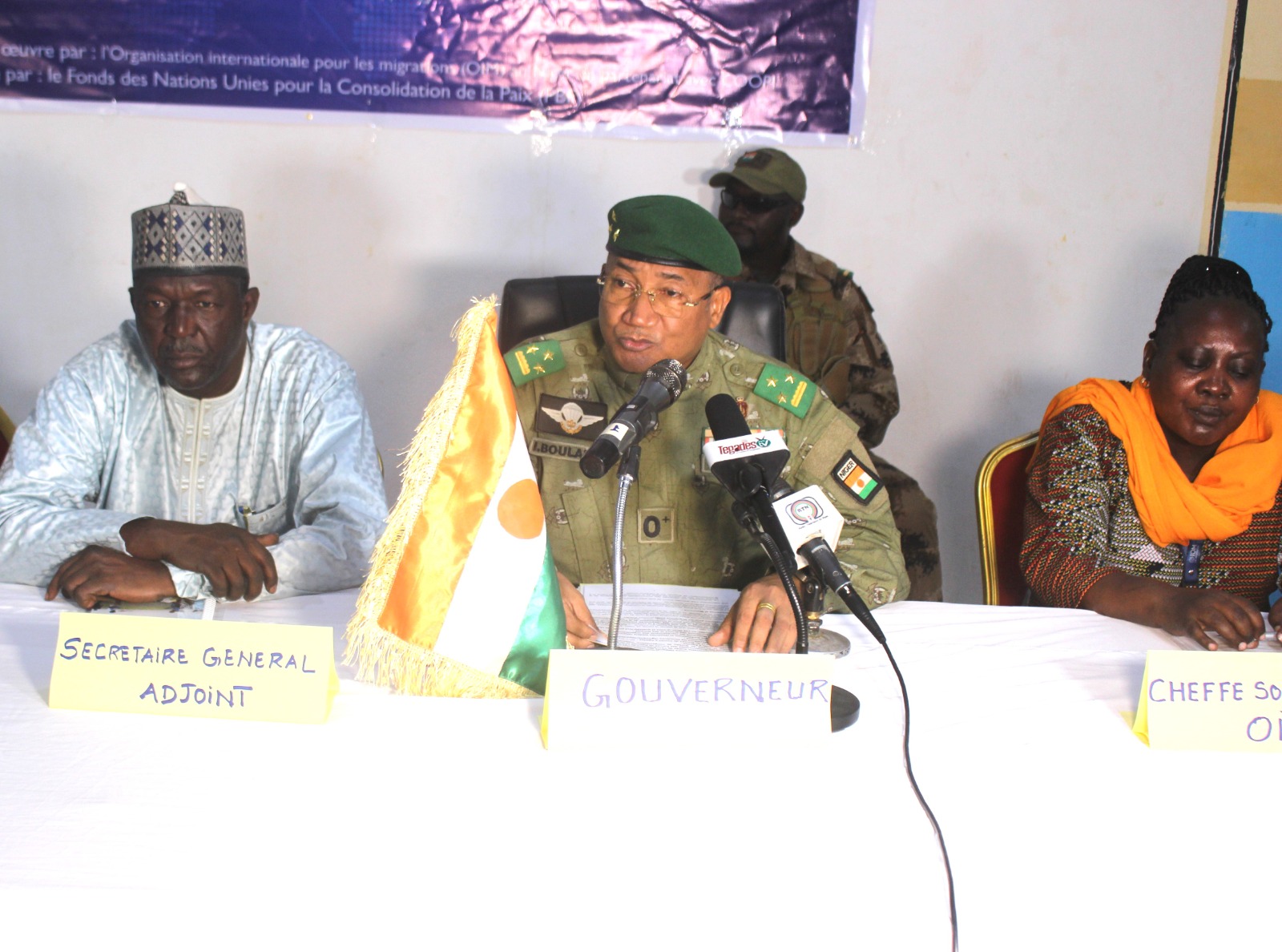
An atelier de capitalisation (capitalization workshop) recently took place in Agadez, a significant event organized to address the multifaceted conflicts related to trafficking, illicit drugs, and the management of mining resources within the region. This key gathering was presided over by General of Division Ibra Boulama Issa, the distinguished Governor of the Agadez Region, showing the high-level commitment to these pressing issues. The workshop was formally convened in the MJC LAYA meeting room, a well-known venue located centrally in Agadez, providing an appropriate setting for the detailed discussions and collaborative efforts that unfolded. The primary goal was to foster full strategies to mitigate and prevent the destabilizing effects of these complex challenges.
Workshop Objectives and Scope
The core aims of the capitalization workshop were clearly defined: to meticulously document good practices observed in previous interventions, to identify and distill lessons learned from past experiences, to thoroughly analyze the difficulties and obstacles encountered in addressing these issues, and finally, to formulate concrete, operational recommendations for future action. These ambitious objectives are not isolated but reflect a broader project that itself was developed through a concerted and inclusive approach, ensuring a wide range of perspectives were considered from its inception. A key aspect of the project's intervention axes included strengthening the capacities of both local communities and various civil society actors. This deliberate focus on empowering local engagement is designed to significantly reduce the detrimental effects stemming from the trafficking of various goods, drug consumption, and the often contentious management of mining resources. The workshop aimed to build on these foundational elements to create lasting solutions.
Diverse Participation and Approach
The Agadez workshop distinguished itself through its broad spectrum of participants, a composition that truly reflected a multi-sectoral and inclusive approach to conflict resolution. Attendees included not only administrative authorities, but also venerable customary and influential community authorities, ensuring that traditional knowledge and local governance structures were integrated into the discussions. Representatives from various civil society organizations were present, bringing their grassroots insights and advocacy perspectives to the forefront. Crucially, members of the Defence and Security Forces also participated, contributing their perspectives on security challenges and enforcement strategies to the discussions. Additionally, numerous technical partners engaged actively in the workshop, indicating a strong collaborative effort across various institutional and non-governmental entities. This diverse attendance showed the commitment to foster full solutions by integrating insights from all relevant stakeholders, recognizing that a unified front is essential to address the complex challenges of trafficking, drugs, and mining conflicts in the region effectively. The collaborative environment sought to leverage collective expertise for more impactful outcomes.
Governor's Vision for Inclusive Action
The workshop, which officially opened its proceedings on Tuesday, September 8, 2026, was specifically designed to focus on both addressing existing conflict factors and proactively preventing new ones. These factors are intricately linked to trafficking activities, the widespread issue of drug consumption, and the critical management of mining resources within the Agadez region. General of Division Ibra Boulama Issa, in his opening remarks, emphasized the importance of a unified approach, stressing that sustainable solutions require the active participation of all segments of society. The event aimed to develop practical and implementable strategies for these complex issues, moving beyond theoretical discussions to actionable plans. The full nature of the proceedings and the depth of information presented on the various topics and their potential outcomes are reflected in the estimated reading time of 4 minutes for the article detailing the workshop, suggesting a thorough report on the discussions and proposed resolutions.