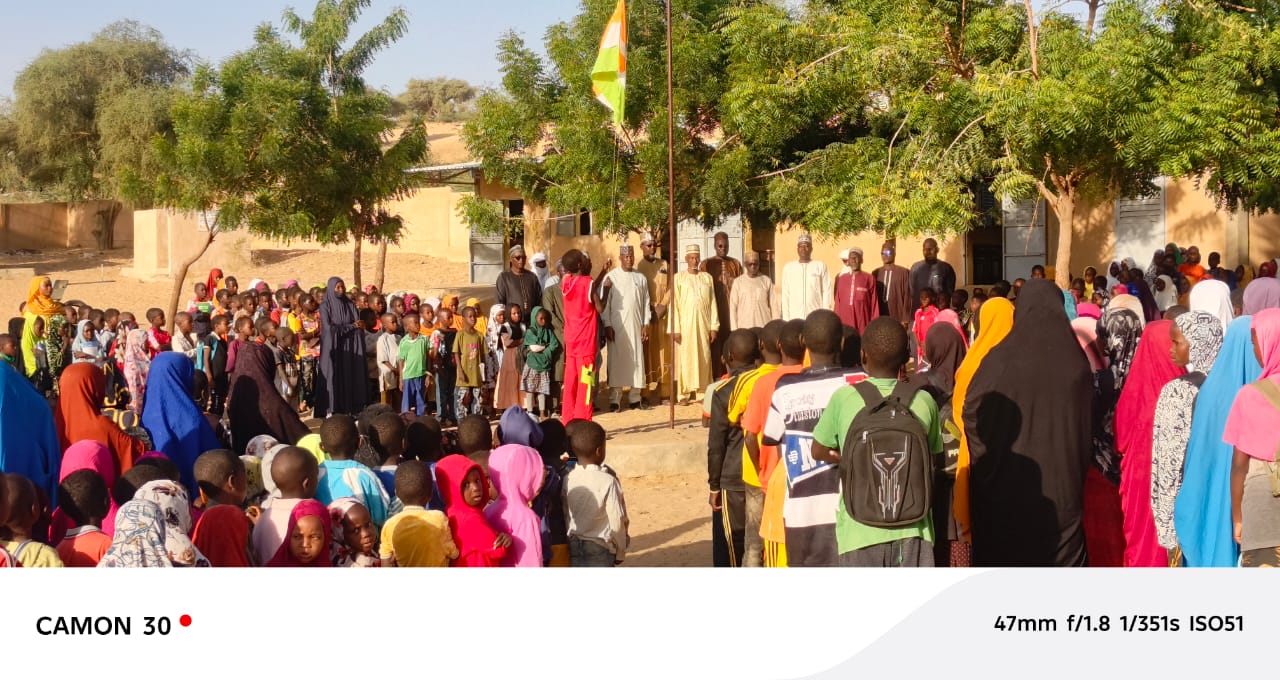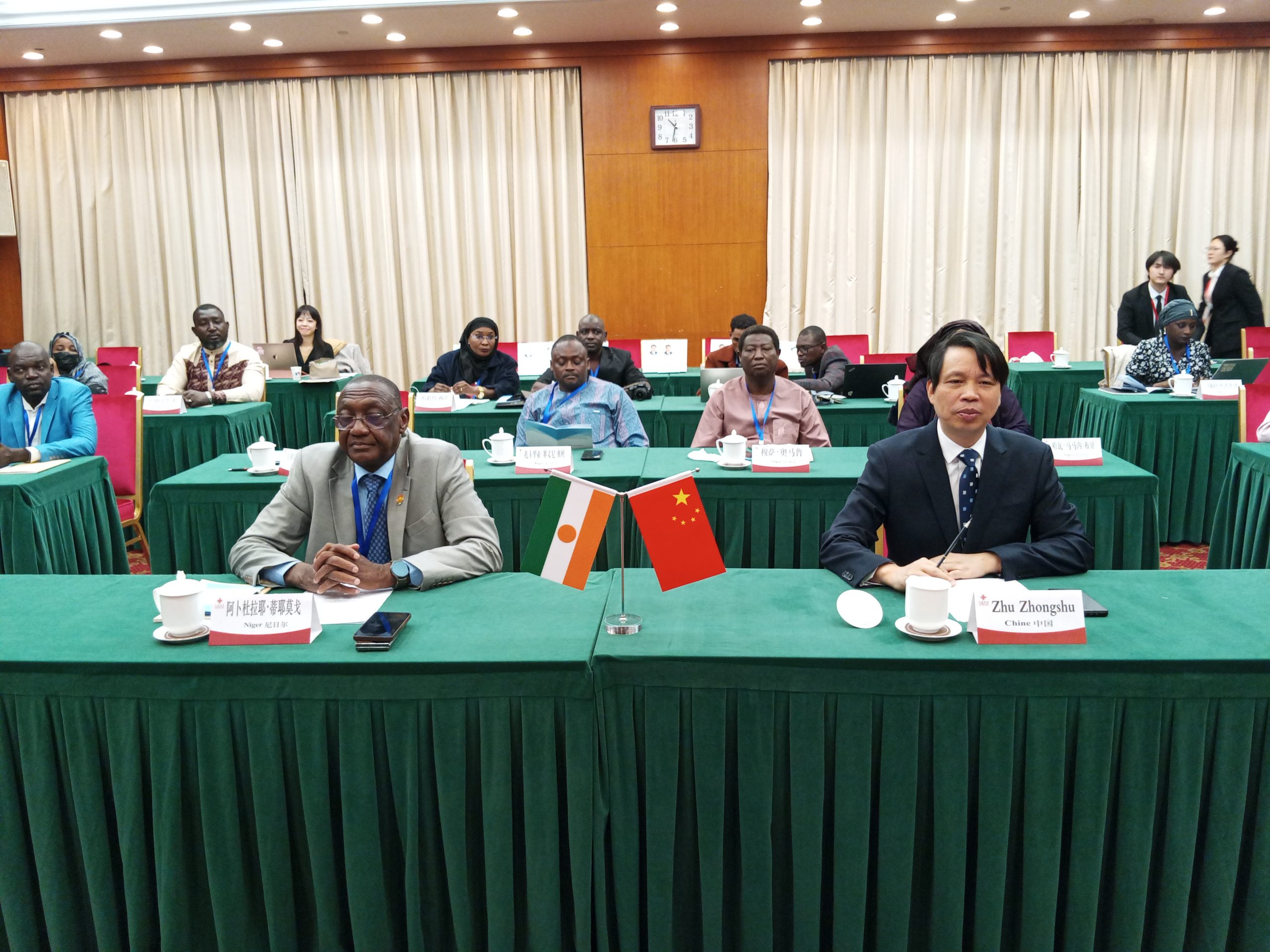
APAPEC-NIGER has commenced a series of popular consultations across Niger to gather input for the development of its new strategic intervention program. Officials within the organization are engaging with various stakeholders to ensure the upcoming framework reflects local priorities and operational needs. Hamza Harouna Adamou is leading the outreach efforts as the organization works to finalize the core objectives of the initiative. These discussions serve as the primary mechanism for collecting feedback that will inform the design and implementation of the program's specific activities.
APAPEC-NIGER is initiating popular consultations to draft its strategic intervention program. This process involves a systematic approach to gathering perspectives from diverse groups throughout the country. By utilizing these popular consultations, the organization seeks to establish a foundation for its strategic intervention program that is grounded in the direct observations and requirements of those impacted by its operations.
The organizational structure of APAPEC-NIGER has prioritized this phase of engagement to ensure that the strategic intervention program aligns with the current landscape of its operational environment. The outreach led by Hamza Harouna Adamou is designed to facilitate open dialogue regarding the future direction of the organization’s work. Through these consultations, the leadership team aims to synthesize a wide range of feedback into a cohesive policy document.
The strategic intervention program serves as a roadmap for the future activities of APAPEC-NIGER. By initiating these popular consultations, the organization is formalizing its commitment to a participatory planning process. The information gathered during these sessions will be processed by the internal teams responsible for drafting the strategic intervention program, ensuring that the final document addresses the specific needs identified during the consultation period.
Hamza Harouna Adamou, in his capacity as the lead for these outreach efforts, is coordinating the schedules and locations for the consultations. These sessions are intended to provide a platform for stakeholders to contribute their insights directly to the development of the strategic intervention program. As APAPEC-NIGER moves forward with this initiative, the feedback loop remains a central component of the organization's methodology.
The scope of the popular consultations covers various regions in Niger, reflecting the broad reach of the upcoming strategic intervention program. By engaging with stakeholders in multiple areas, APAPEC-NIGER intends to capture a representative sample of local priorities. The data collected from these consultations will undergo a rigorous review process before being integrated into the draft of the strategic intervention program.
The initiation of these popular consultations marks a significant milestone for APAPEC-NIGER. The organization’s leadership has emphasized that the strategic intervention program must be responsive to the realities of its operational context. Consequently, the consultations are structured to elicit specific, actionable feedback that can be translated into the program's objectives.
Hamza Harouna Adamou is overseeing the implementation of the consultation framework to ensure consistency across all outreach activities. The organization has established guidelines for these sessions to maintain a focus on the development of the strategic intervention program. Participants are encouraged to provide detailed input on how the program can best serve the intended beneficiaries and address identified operational challenges.
The process of drafting the strategic intervention program is expected to be iterative, with the popular consultations providing the necessary evidence base. APAPEC-NIGER remains committed to transparency throughout this development phase. The organization views the popular consultations as a vital step in ensuring that the strategic intervention program is both effective and sustainable.
As the consultations progress, the information gathered by Hamza Harouna Adamou and his team will be compiled and analyzed. This analysis will form the basis for the core components of the strategic intervention program. By prioritizing this consultative approach, APAPEC-NIGER aims to build a framework that is well-supported and clearly understood by all stakeholders involved.
The strategic intervention program is intended to guide the actions of APAPEC-NIGER over the coming period. The popular consultations are the mechanism through which the organization ensures its future activities are informed by the input of those most affected by its interventions. This commitment to consultation is a fundamental aspect of the program's design phase.
The collaboration between the organization’s officials and the stakeholders is essential to the success of the popular consultations. Hamza Harouna Adamou is facilitating these interactions to ensure that the strategic intervention program is built on a full understanding of local needs. The organization continues to move forward with this structured approach, focusing on the development of a strong and responsive strategic intervention program.
The ongoing consultations represent a concerted effort by APAPEC-NIGER to refine its operational strategies. Through the leadership of Hamza Harouna Adamou, the organization is ensuring that the strategic intervention program is developed with a clear focus on its mission and the requirements of its stakeholders. This initiative remains a primary priority for the organization as it works to finalize its plans.
In summary, the popular consultations are the primary tool being used by APAPEC-NIGER to inform the creation of its strategic intervention program. By engaging in this process, the organization is establishing a clear path forward that incorporates diverse viewpoints and operational insights. The work led by Hamza Harouna Adamou continues to shape the development of the program, ensuring that the final output is reflective of the consultations conducted across Niger.