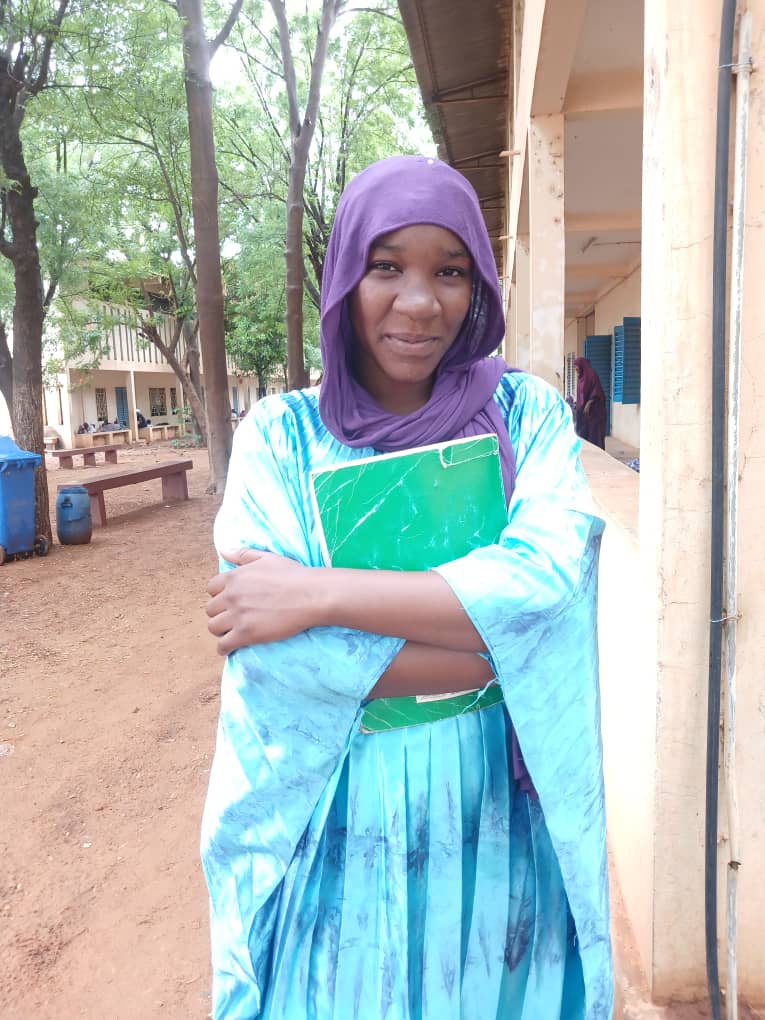
Candidates for the Baccalauréat 2026, specifically those in series A4, sat for their philosophy written examinations on July 15, 2026. This key day saw students across the nation engage with complex philosophical concepts, demonstrating their critical thinking and analytical skills. The exams were conducted across various centers in Niamey, the capital, and other regions of the country, marking a significant step in the national academic calendar. The Baccalauréat is widely recognized as a key national examination, serving as the culmination of secondary education and a gateway to advanced studies. This annual assessment determines students' eligibility for higher education, shaping their academic and professional futures. The successful completion of these examinations is a prerequisite for admission into universities and other post-secondary institutions, showing their importance within the educational system.
Exam Topics Explored
The Baccalauréat 2026 philosophy exam presented candidates with a selection of profound topics for deliberation, designed to challenge their intellectual capabilities. Students were tasked with analyzing themes that included 'state power and the exercise of force', prompting reflection on the nature and limits of governmental authority. This question encouraged candidates to delve into political philosophy, considering the ethical implications and societal impact of state control and its coercive mechanisms. Another subject offered for discussion was 'the finality of history as human freedom', inviting candidates to explore the ultimate purpose and trajectory of human civilization in relation to liberty. This topic required students to consider historical determinism versus human agency, and the philosophical concept of freedom as an end goal of historical progression. The examination also featured a question on 'justice', requiring candidates to articulate their understanding of fairness, equity, and moral rightness within societal structures. This broad theme allowed for diverse interpretations, ranging from distributive justice to legal and social justice, and their practical applications. These subjects are designed to assess critical thinking and philosophical reasoning among the graduating students, evaluating their ability to construct coherent arguments and engage with abstract ideas. The selection of these particular themes reflects a curriculum that encourages engagement with fundamental societal and existential questions, preparing students for informed participation in civic life and further academic pursuits.
On-Site Observations
An ANP team visited jury 20, situated at Collège Mariama, on July 15, to observe the examination process firsthand. The visit coincided with the philosophy written examinations for Baccalauréat 2026 candidates, providing a direct insight into the conduct of this important assessment. Collège Mariama served as one of the examination centers for students taking the series A4 philosophy exam, hosting a significant number of candidates. The ANP team observed the conduct of the examinations at this location, noting the adherence to established protocols and the serious atmosphere maintained by both students and proctors. This center is part of a broader network of centers across Niamey and other regions facilitating the national assessment, ensuring equitable access and standardized conditions for all participants. This site visit provided direct observation of the examination process for the Baccalauréat, confirming the organized and diligent execution of the national exams. The presence of official observers shows the transparency and integrity of the examination system.
Broader Context and Significance
The article detailing the Baccalauréat 2026 philosophy examination was published on July 15, 2026, providing immediate coverage of the day's significant academic event. This publication date aligns precisely with the day the philosophy written examinations for series A4 candidates were conducted across various centers in Niamey and other regions, offering timely information to the public. The report provides a timely overview of the exam topics and on-site observations, reflecting the commitment to informing stakeholders about key educational milestones. Such reports are key for students, parents, educators, and policymakers alike, offering insights into the academic rigor and operational aspects of the national examinations. Readers can expect to review the full article in approximately 3 minutes, according to its listed reading time, making it an accessible and efficient source of information. This brevity aims to provide essential information efficiently to its audience, ensuring that critical details about the Baccalauréat 2026 philosophy examination are disseminated promptly and clearly.