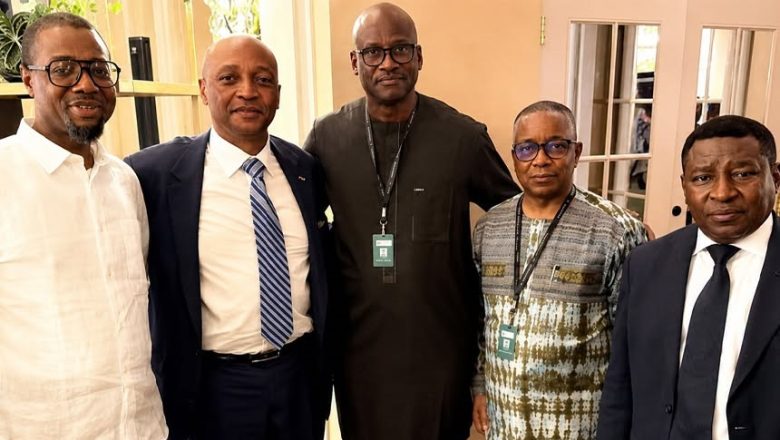
The Confederation of African Football (CAF) has validated a joint declaration of interest from Burkina Faso, Mali, and Niger to host the 2032 Africa Cup of Nations (CAN). This validation signifies a significant step forward for the three West African nations in their ambition to bring the prestigious continental football tournament to the Sahel region. The validation follows a key meeting held on Saturday, July 18, between CAF President Patrice Motsepe and the presidents of the three respective football federations. This high-level discussion showed the seriousness of the joint proposal. The Nigerien Football Federation (FENIFOOT) made this information public on July 20, confirming the West African nations' bid for the continental tournament and bringing the news to a wider audience. The joint declaration of interest for the 2032 Africa Cup of Nations (CAN) marks a collaborative effort by the three countries to present a unified and strong proposal to CAF.
Bidding Process Underway
The Confederation of African Football (CAF) initiated the call for candidacies for the 2028, 2032, and 2036 Africa Cup of Nations tournaments simultaneously in early July 2026. This full launch marked the official beginning of the bidding process for these future editions of the continental competition, allowing multiple nations to present their cases. The evaluation of the joint Sahelian project submitted by Burkina Faso, Mali, and Niger will concentrate on several key areas. CAF will meticulously assess the nations' existing and proposed sports infrastructure, including stadiums and training facilities, to ensure they meet international standards for such a major event. Additionally, the viability of hotel accommodations will be a critical factor, as adequate lodging for teams, officials, and fans is essential. The efficiency of transport networks necessary to host a major international event, ensuring smooth movement between venues and cities, will also be scrutinized. This detailed assessment aims to ensure that any host nation or group of nations can successfully manage the logistical complexities of the Africa Cup of Nations.
Regional Context and Challenges
The joint bid from Burkina Faso, Mali, and Niger emerges in a regional context where other multi-nation hosting arrangements have been confirmed, demonstrating a trend towards shared hosting responsibilities. Kenya, Uganda, and Tanzania are scheduled to co-host the Africa Cup of Nations in 2027, setting a significant precedent for collaborative bids within the continent and potentially paving the way for future multi-country tournaments. This collaboration notes a growing recognition of the benefits of shared resources and infrastructure for large-scale events.
However, the Sahelian nations' proposal also comes amid ongoing security concerns in the region. New deadly attacks occurred in Niger and Mali on July 17 and 18, noting persistent security challenges. These incidents occurred just days before the Nigerien Football Federation (FENIFOOT) publicly announced CAF's validation of the joint bid, showing the complex environment in which the three countries are pursuing the tournament. The security situation will likely be a significant factor in the full evaluation process undertaken by CAF, requiring the bidding nations to present strong security plans. Addressing these concerns will be critical for the success of their bid.
Next Steps and Timeline
The Confederation of African Football (CAF) validation of the joint bid from Burkina Faso, Mali, and Niger represents a preliminary administrative step in a lengthy process. This initial approval does not constitute a final decision regarding the hosting rights for the 2032 Africa Cup of Nations. It merely confirms that their declaration of interest meets the initial criteria set by CAF. The process is ongoing, with further detailed assessments and inspections expected in the coming months. CAF has not yet announced a specific date for the definitive ruling on which nation or nations will host the tournament, indicating that the selection process is still in its early stages. The three nations will need to continue to work closely with CAF to advance their bid.