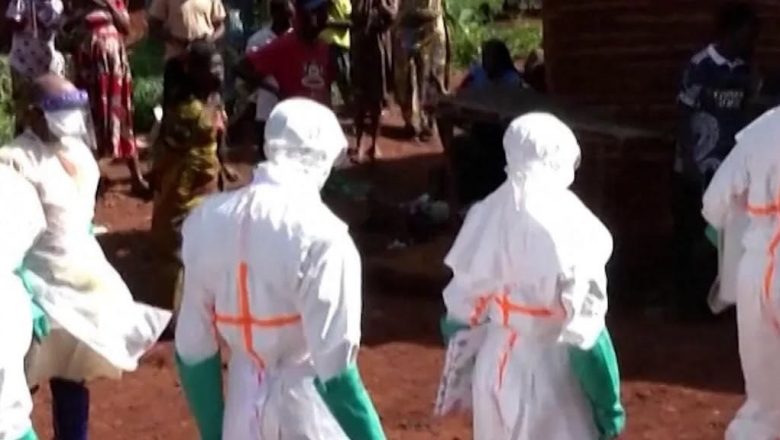
Canada has implemented new health controls prohibiting foreign nationals who have recently stayed in the Democratic Republic of Congo (DRC) from entering the country. The measure took effect on Sunday, July 19, 2026. This action aims to bolster public health protections against Ebola.
New Quarantine Measures Detailed
Canadian citizens and permanent residents arriving from the Democratic Republic of Congo (DRC), Uganda, and South Sudan are now subject to a mandatory 21-day quarantine. This measure is part of Canada's updated health controls for travelers. The 21-day quarantine period aligns with the maximum incubation period recognized for the Ebola virus, ensuring that individuals who may have been exposed to the virus are isolated for the full duration during which symptoms could appear. This protocol aims to prevent the potential spread of Ebola within Canada by monitoring returning citizens and permanent residents from regions identified as having active outbreaks or significant risk.
Travel Restrictions Explained
Canada's new health controls specifically target travel from the Democratic Republic of Congo (DRC), Uganda, and South Sudan. The Agence de la santé publique du Canada (Public Health Agency of Canada) has outlined these measures to mitigate the risk of Ebola transmission. Foreign nationals who have been in the DRC within the last 21 days are prohibited from entering Canada. This restriction applies regardless of their country of origin or intended port of entry into Canada. For Canadian citizens and permanent residents returning from the DRC, Uganda, or South Sudan, a mandatory 21-day quarantine period is enforced. This period corresponds to the maximum incubation time for the Ebola virus, as determined by health authorities. The aim is to monitor individuals for symptoms and prevent potential community spread. The measures reflect an effort by Ottawa to enhance public health security against infectious diseases originating from regions in Afrique (Africa) with active outbreaks.
Duration and Rationale
The exceptional health measures implemented by Canada are scheduled to remain in effect until August 29, 2026. This timeframe provides a defined period for the strict controls on travelers from the Democratic Republic of Congo, Uganda, and South Sudan. The Agence de la santé publique du Canada established these measures to address the public health risk posed by the Ebola virus. The prohibition on foreign nationals from the Democratic Republic of Congo and the mandatory 21-day quarantine for Canadian citizens and permanent residents from the specified regions are part of this temporary framework. The duration allows authorities to monitor the evolving situation and assess the effectiveness of the interventions in preventing the spread of Ebola within Canada.
Broader Public Health Context
The quarantine protocol, which mandates a 21-day isolation period for Canadian citizens and permanent residents returning from high-risk regions, has been in effect since the end of May. This measure was previously implemented to address public health concerns related to infectious diseases. The Agence de la santé publique du Canada introduced the initial protocol as part of its ongoing efforts to mitigate the entry and spread of pathogens. This continuity of health controls shows Canada's proactive approach to managing international travel risks. The current stricter Ebola-specific measures build upon this existing framework, reinforcing border health security.