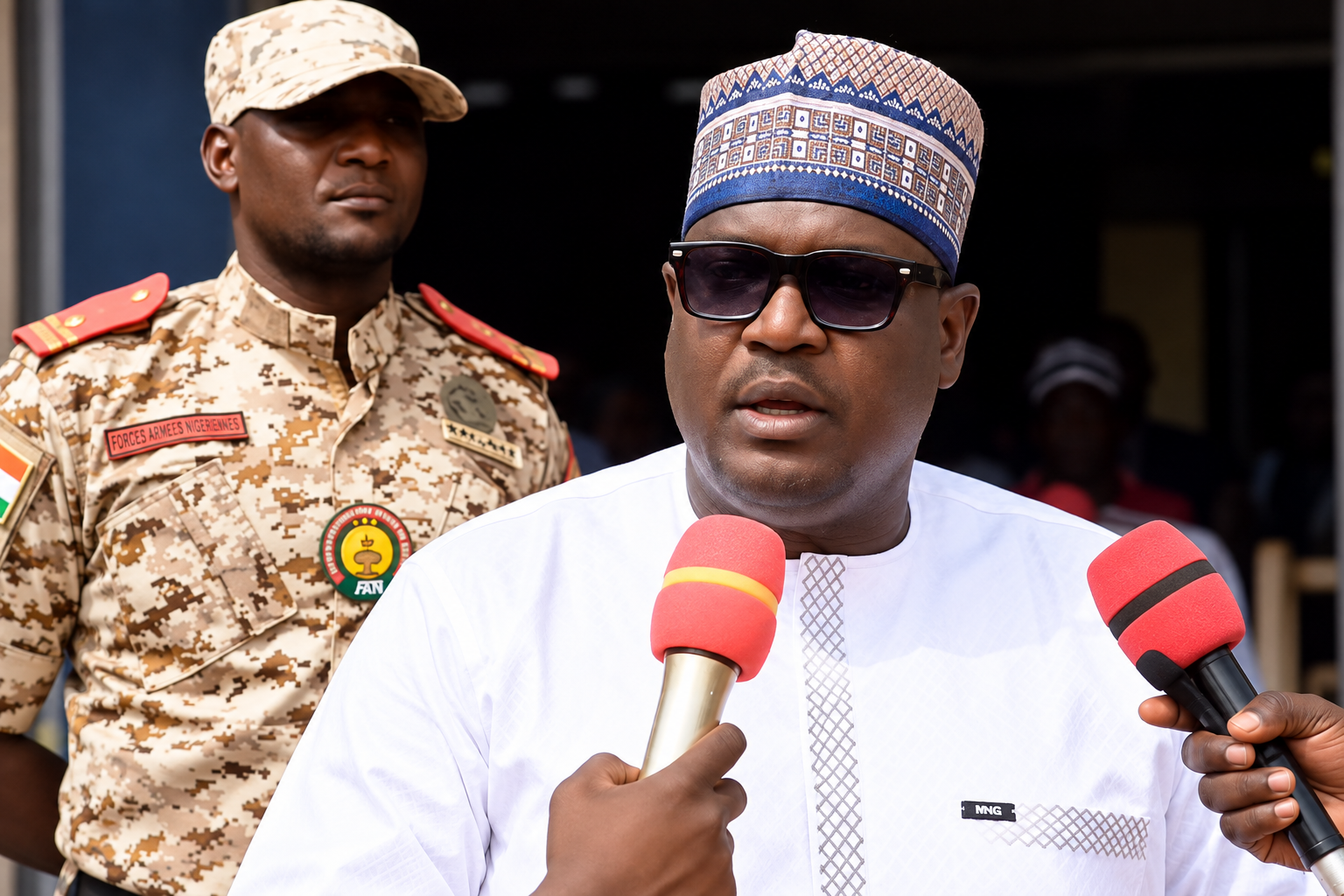
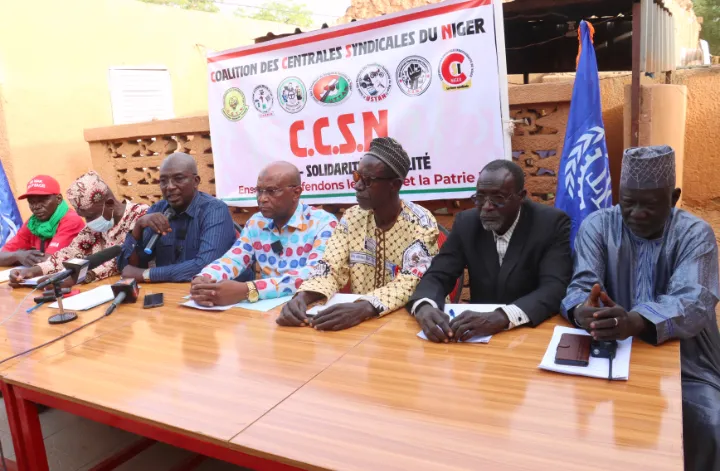
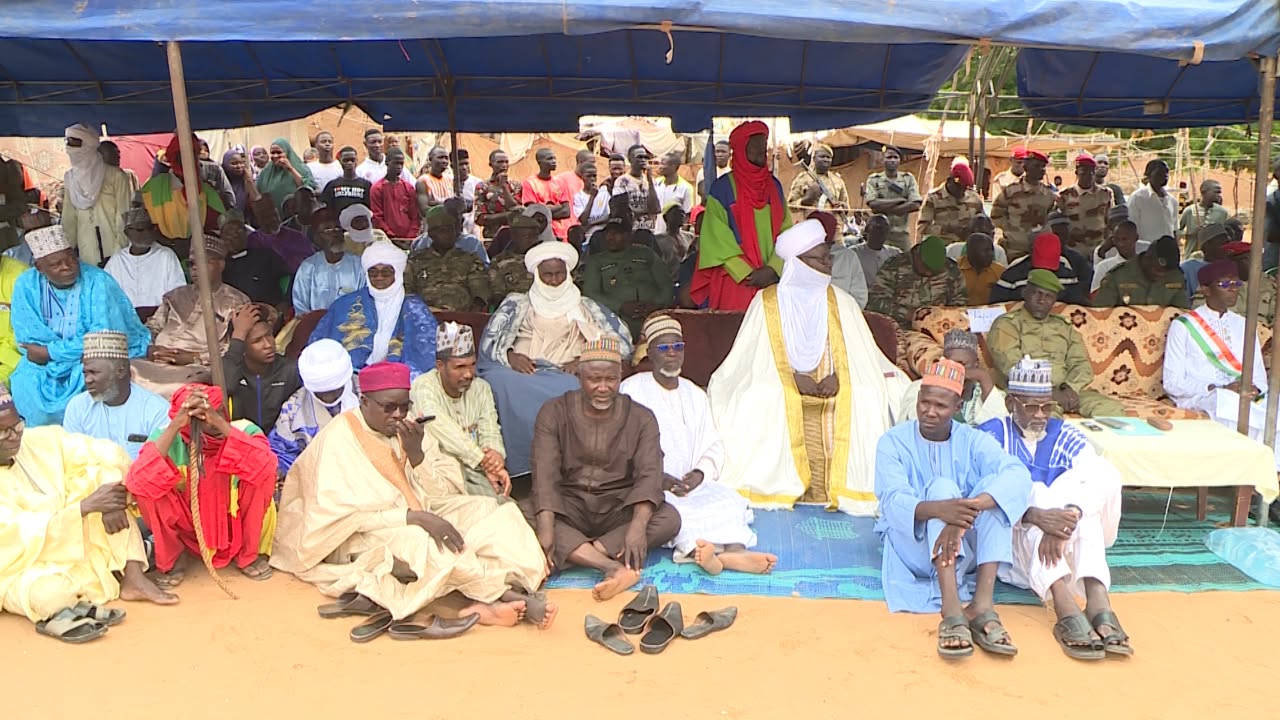
Moustapha Kadi, President of the Coalition of Democratic Organizations for the Defense of Human Rights (CODDAE), stated that national security relies on the vigilance of all citizens. Kadi made the assertion, emphasizing the collective responsibility of the populace in safeguarding the nation. The statement was reported on September 8, 2026. "Our security depends on the vigilance of all citizens," Kadi said, showing a fundamental principle for national stability. He further articulated this conviction by stating, "Le président du CODDAE, Moustapha Kadi, estime que notre sécurité dépend de la vigilance de tous les citoyens." This declaration notes CODDAE's perspective that security is not solely the purview of state apparatuses but a shared obligation.
Kadi's Call for Awareness
Moustapha Kadi, President of the Coalition of Democratic Organizations for the Defense of Human Rights (CODDAE), noted the key role of public engagement in national security efforts. Kadi showed the importance of citizens actively contributing to the nation's safety, asserting that vigilance extends beyond state institutions. He emphasized that every individual's awareness and participation are fundamental to maintaining a secure environment. This active involvement, according to Kadi, fosters a proactive defense mechanism against various threats. The CODDAE President's remarks suggest a strategy that integrates civilian alertness into the broader framework of national defense, recognizing the invaluable intelligence and preventative capabilities an informed populace can provide. His statements indicate a call for greater public involvement in identifying and addressing potential threats to the security of Niger, fostering a collective approach to safeguarding the country's peace and stability. This inclusive vision aims to build a strong security architecture from the ground up, with citizens as key stakeholders.
Understanding CODDAE's Role
The Coalition of Democratic Organizations for the Defense of Human Rights (CODDAE) functions as a prominent civil society organization advocating for human rights and democratic principles within Niger. Its President, Moustapha Kadi, has frequently emphasized the importance of citizen participation in national affairs, including security. CODDAE's advocacy often focuses on the intersection of individual liberties and collective responsibilities within the nation of Niger, seeking a balance where rights are protected while communal duties are upheld. The organization aims to empower citizens by raising awareness about their roles in fostering a stable and secure environment, believing that an educated and engaged populace is the first line of defense. CODDAE's activities typically involve public education campaigns and engagement with governmental bodies on matters concerning human rights and governance, promoting transparency and accountability. The group's stance, as articulated by Kadi, positions citizen vigilance as integral to reinforcing national security frameworks, moving beyond traditional security paradigms. This approach seeks to cultivate a culture of shared responsibility and proactive civic engagement.
Broader Security Implications
Moustapha Kadi, President of the Coalition of Democratic Organizations for the Defense of Human Rights (CODDAE), has consistently articulated a vision where national security in Niger transcends traditional state-centric approaches. Kadi's statements suggest that the effectiveness of national defense and security mechanisms is significantly enhanced by an alert and engaged populace. This perspective implies that civilian vigilance can act as an early warning system, identifying potential threats that might otherwise go unnoticed by official channels due to their localized or subtle nature. By integrating citizens into the security framework, CODDAE advocates for a more resilient and full national security posture, one that leverages the collective intelligence and observational capacity of the entire population. The organization's emphasis on public engagement aims to foster a collective sense of responsibility, moving beyond the sole reliance on military or law enforcement agencies. This approach suggests that a well-informed citizenry, aware of its role in safeguarding national interests, can contribute to stability and prevent various forms of insecurity, from local crime to broader threats against the state, thereby strengthening the nation's overall resilience. This collaborative model shows the belief that true security is a shared endeavor.