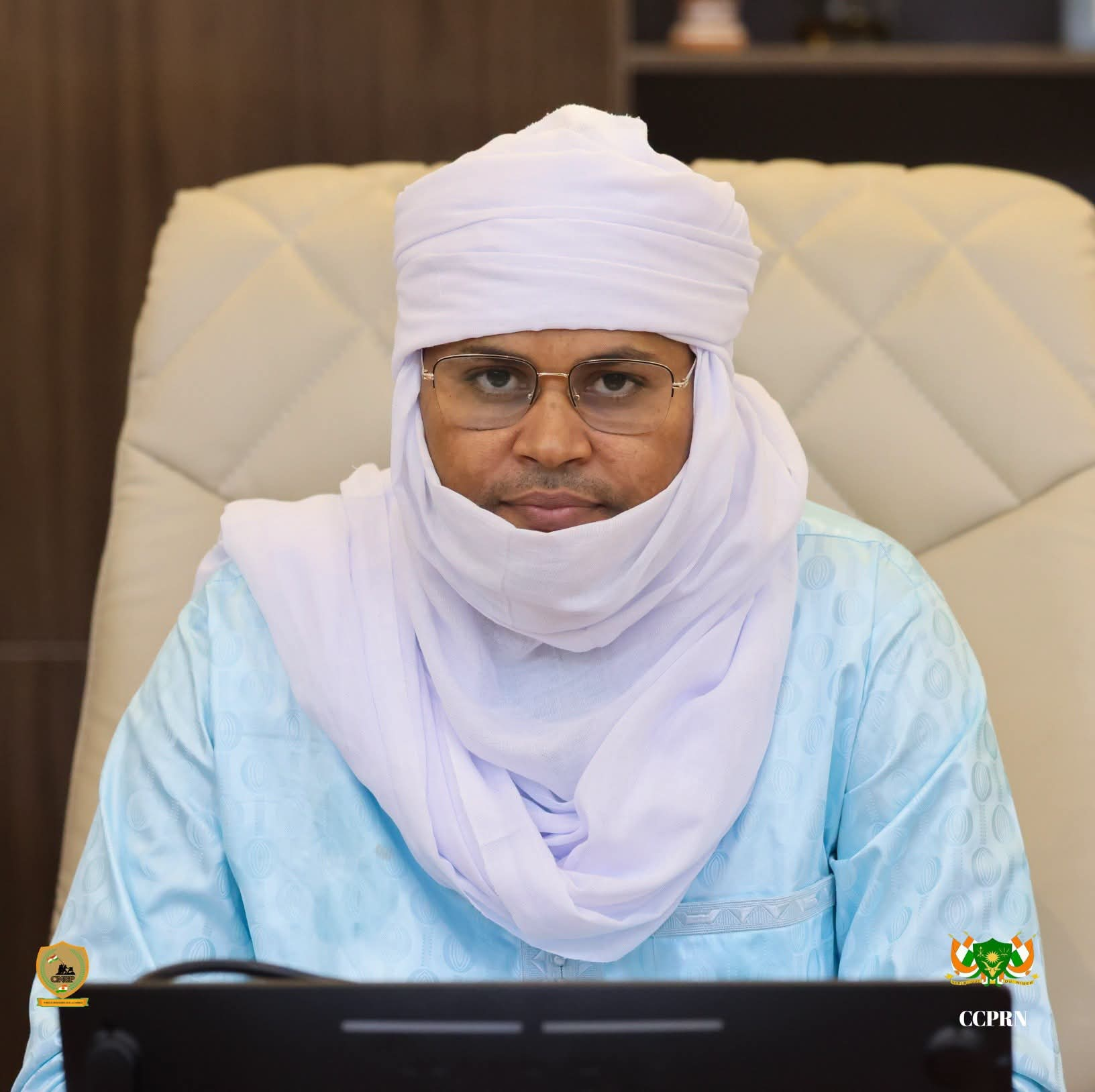
The Centre des Hautes Etudes de Défense et de Sécurité (CHEDS) in Dakar is drawing inspiration from Nigeria's civil protection experience, according to an article published on July 17, 2026. CHEDS is studying the Nigerian model to inform its own strategies and frameworks for civil protection, seeking to integrate proven methodologies into its national security architecture. This initiative reflects a growing trend among African nations to learn from each other's successes in addressing complex security and humanitarian challenges, fostering regional collaboration and shared expertise. The detailed examination of Nigeria's approach is expected to yield valuable insights that can be adapted to Senegal's specific context, thereby strengthening its capacity to respond to a diverse range of emergencies.
CHEDS's Strategic Shift
The Centre des Hautes Etudes de Défense et de Sécurité (CHEDS) in Dakar is re-evaluating its approach to civil protection, focusing on adapting successful models from other African nations. This strategic reorientation is driven by a recognition of evolving security challenges and the need for more resilient national response mechanisms. The dynamic nature of contemporary threats, ranging from climate-induced disasters to complex humanitarian emergencies, necessitates a proactive and adaptive stance in civil protection planning. Officials at CHEDS have indicated that the institution is actively studying frameworks and operational structures implemented elsewhere on the continent to enhance its own methodologies, aiming to build a more strong and effective system for Senegal. This critical assessment involves a full review of existing protocols and an exploration of innovative strategies that have demonstrated efficacy in similar regional contexts.
The institution's current focus on Nigeria's civil protection system is part of a broader initiative to integrate best practices into Senegal's national security architecture. This involves a detailed examination of how Nigeria has organized its emergency services, disaster response, and community engagement programs. The selection of Nigeria as a primary case study is due to its extensive experience in managing large-scale incidents across a geographically diverse and populous nation. The objective is to identify key components that can be localized and integrated into Dakar's specific operational environment, considering its unique geographical and social dynamics. This localization process will ensure that any adopted strategies are culturally appropriate and operationally feasible within the Senegalese context, maximizing their potential for success. The insights gained from this study are expected to provide a blueprint for enhancing Senegal's preparedness and response capabilities, ensuring a more coordinated and efficient approach to civil protection.
CHEDS aims to develop a more proactive and integrated civil protection strategy. This includes fostering stronger coordination between governmental agencies, civil society organizations, and local communities. An integrated approach is considered critical for overcoming the fragmentation that can sometimes hinder effective emergency response, ensuring that all stakeholders work cohesively towards common goals. The institution views Nigeria's experience as particularly relevant due to the scale and complexity of the challenges it has addressed, ranging from natural disasters to humanitarian crises. Nigeria's ability to mobilize resources and coordinate diverse actors in response to significant events offers a valuable learning opportunity for Senegal. The insights gained are expected to inform revisions to training curricula, operational protocols, and policy recommendations issued by CHEDS, leading to a more standardized and efficient national response framework. These revisions will reflect a commitment to continuous improvement and the adoption of evidence-based practices in civil protection.
The emphasis is on creating a system that is not only reactive to emergencies but also capable of effective prevention and preparedness. This involves strengthening early warning systems, improving public awareness campaigns, and enhancing the capacity of local responders. Proactive measures are key for mitigating the impact of disasters and reducing the overall vulnerability of populations and infrastructure. CHEDS's engagement with the Nigerian model shows a commitment to regional collaboration and the sharing of expertise among African defense and security institutions. This collaborative spirit is vital for building collective resilience across the continent, allowing nations to pool knowledge and resources in the face of shared threats. The findings from this study are anticipated to contribute to a more strong and adaptable civil protection framework for Senegal, better equipped to safeguard its population and infrastructure against a diverse range of threats. This framework will be designed to be flexible enough to address both conventional and emerging risks. The strategic shift reflects a forward-looking perspective on national security, prioritizing resilience and coordinated action as fundamental pillars of national stability and human security.
Nigeria's Civil Protection Framework
Nigeria's civil protection framework is characterized by a multi-agency approach designed to address a wide array of emergencies, from natural disasters to complex humanitarian challenges. This full strategy recognizes that no single entity can effectively manage the diverse and often interconnected crises that a nation of Nigeria's size and complexity faces. The system integrates federal, state, and local government bodies with non-governmental organizations and community-based initiatives, creating a layered and interconnected network of support. This full structure aims to enhance preparedness, response, and recovery efforts across the nation, ensuring a holistic approach to disaster management. At the core of the framework is the recognition that effective civil protection requires coordinated action and the mobilization of diverse resources, including human, material, and financial assets, to achieve optimal outcomes during emergencies.
The Nigerian model emphasizes the role of national agencies responsible for disaster management, search and rescue operations, and emergency medical services. Key institutions, such as the National Emergency Management Agency (NEMA), play a central role in coordinating these efforts, providing strategic direction and operational support. These agencies often collaborate to conduct risk assessments, develop early warning systems, and implement mitigation strategies, working proactively to reduce vulnerabilities before disasters strike. Their operations span various geographical and demographic contexts, reflecting the country's diverse landscape and population distribution, from urban centers to remote rural areas. The experience gained from managing large-scale incidents, such as floods, droughts, and internal displacements resulting from conflicts, has contributed significantly to the evolution and refinement of these protocols, making them more effective and adaptable. This continuous learning process is a cornerstone of Nigeria's approach, allowing the system to adapt to new challenges and improve its responsiveness.
A significant aspect of Nigeria's approach involves community engagement and public awareness campaigns. Recognizing that local communities are often the first responders in any crisis, authorities frequently work with local leaders and community groups to disseminate information, conduct drills, and build local capacities for self-help during crises. This emphasis on grassroots participation is considered vital for ensuring that response efforts are culturally appropriate and reach the most vulnerable populations, who may otherwise be overlooked by top-down interventions. Such initiatives often focus on empowering communities to identify local risks, develop their own emergency plans, and contribute actively to their own safety and resilience, fostering a sense of ownership and collective responsibility. These programs also help build trust between governmental agencies and the populace, which is key for effective emergency management.
The framework also incorporates mechanisms for international cooperation and assistance, particularly in complex emergencies that may exceed national capacities. Nigeria has engaged with various international partners, including United Nations agencies, non-governmental organizations, and donor countries, to enhance its civil protection capabilities. This collaboration includes training programs, equipment provision, and sharing of best practices, allowing Nigeria to benefit from global expertise and resources. These partnerships contribute to strengthening the institutional capacity of Nigerian agencies and improving their operational effectiveness, particularly in areas requiring specialized skills or technology. The continuous exchange of knowledge and expertise with global partners helps in adapting advanced methodologies to the specific challenges faced by the country, ensuring that Nigeria remains at the forefront of civil protection innovation within the region. This international dimension notes a pragmatic approach to leveraging global resources for national benefit.
Nigeria's civil protection model has adapted to address emerging threats, including those related to climate change and evolving security dynamics. The increasing frequency and intensity of extreme weather events, coupled with complex security challenges, demand a flexible and forward-looking approach. This adaptability reflects a commitment to continuous improvement and responsiveness to new challenges, ensuring the framework remains relevant and effective in a changing world. The system is regularly reviewed and updated to incorporate lessons learned from past events and to anticipate future risks, employing a proactive risk management strategy. The ongoing efforts to strengthen inter-agency coordination, improve resource allocation, and enhance technological integration are central to the framework's resilience, ensuring that it can withstand and recover from a wide array of shocks. The Nigerian experience, therefore, offers valuable insights into developing and maintaining a strong civil protection system capable of addressing a broad spectrum of emergencies effectively, serving as a model for regional peers.
Regional Security Imperatives
The emphasis on Nigeria's civil protection model by Dakar's Centre des Hautes Etudes de Défense et de Sécurité (CHEDS) notes broader regional security imperatives across West Africa. Nations in the region frequently face a complex array of threats, including natural disasters, humanitarian crises, and socio-political instabilities, which often transcend national borders. These challenges are exacerbated by factors such as rapid urbanization, resource scarcity, and the impacts of climate change, making strong civil protection mechanisms indispensable for regional stability. The interconnected nature of these challenges necessitates a regional approach to preparedness and response, fostering collaboration among neighboring states to build collective resilience and ensure mutual support during crises. This recognition of shared vulnerabilities drives the imperative for cross-border learning and cooperation.
Many countries, including Niger and Senegal, share common vulnerabilities to climate change impacts, such as droughts and floods, which can trigger displacement and resource scarcity. These environmental pressures, combined with diverse security threats like terrorism, organized crime, and internal conflicts, show the need for strong and adaptable civil protection mechanisms that can operate effectively within a regional context. The consequences of these threats, including food insecurity, mass displacement, and public health crises, often spill across national boundaries, creating complex humanitarian situations that demand coordinated responses. Sharing best practices, like those observed in Nigeria, allows countries to strengthen their individual capacities while also contributing to collective regional resilience, creating a network of mutual assistance and shared learning. This exchange of knowledge helps to elevate the overall standard of civil protection across West Africa.
Regional institutions and bilateral partnerships play a key role in coordinating responses to shared security concerns. Organizations such as the Economic Community of West African States (ECOWAS) often facilitate these collaborations, providing platforms for policy harmonization, joint training exercises, and resource mobilization. By studying successful models from within the continent, CHEDS aims to develop strategies that are culturally relevant and operationally feasible for the West African landscape, avoiding the pitfalls of adopting models that do not align with local realities. This approach acknowledges that solutions tailored to one African nation's challenges can offer valuable insights for others facing similar predicaments, promoting a sense of regional ownership over security solutions. The flow of people, goods, and information across borders means that an emergency in one country can quickly have implications for its neighbors, necessitating integrated planning and rapid, coordinated action to mitigate widespread impacts.
Improved civil protection frameworks contribute to overall regional stability by enhancing the ability of states to protect their populations and critical infrastructure. Strong national capacities reduce the likelihood of internal instability and humanitarian crises, which can otherwise destabilize entire sub-regions. This capacity building deters potential destabilizing factors and ensures a more coordinated response during widespread emergencies, thereby bolstering regional security. The proactive engagement by institutions like CHEDS in Dakar reflects a growing awareness of the need for integrated security strategies that account for the cross-border dimensions of contemporary threats, moving beyond purely nationalistic approaches. Such initiatives ultimately aim to create a more secure and resilient West Africa, capable of addressing both persistent and emerging challenges effectively, ensuring sustainable peace and development for its diverse populations.