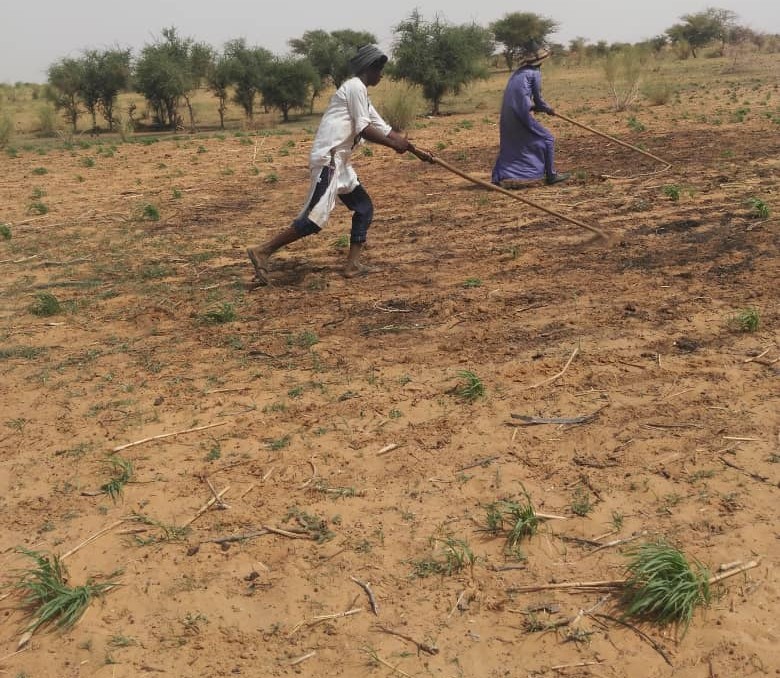
The 2026 sowing campaign has commenced gradually in Niger's Diffa region, with 77 agricultural villages already completing their sowing activities. This initial phase of the campaign signals the start of agricultural operations for the year. This start to the 2026 campaign is reported to be more gradual compared to the 2025 season, indicating a different trajectory for agricultural progress in the region this year. The pace of activities is being closely monitored by agricultural authorities and local communities.
Rainfall Patterns Influence Start
Useful rains registered during the first ten days of July facilitated the gradual establishment of the agricultural campaign in the Diffa region. These early rains were key for farmers awaiting optimal conditions to begin planting. During this period, 45 villages successfully concluded their sowing operations, benefiting directly from the improved soil moisture. The timely arrival of these rains allowed these communities to proceed with their agricultural calendars. However, the meteorological situation is not uniform across the region, leading to varied conditions for farmers. Data indicates that 34 pluviometric stations have recorded a rainfall deficit, noting areas that have received insufficient precipitation for strong agricultural activity. This varied precipitation has contributed to the staggered start of the sowing season, influencing the pace at which different communities can begin their agricultural activities across the Diffa region. The recorded deficit suggests that while some areas received beneficial rainfall, others are experiencing drier conditions impacting the campaign's progress and potentially delaying planting.
Comparison to Previous Year
The 77 agricultural villages that have completed their sowing activities in the Diffa region represent nearly 8% of the total villages, providing a clear metric for the current progress. This figure indicates a slower pace compared to the previous year's campaign, showing the challenges faced by farmers this season. At the same period in the 2025 campaign, agricultural progress was significantly more advanced, demonstrating a stark contrast in the initiation of farming activities. During that season, 432 villages had already completed sowing, which constituted approximately 42% of the total villages in the Diffa region. The substantial difference in these figures points to a notable slowdown in the current agricultural cycle. The current season's slower start, with a smaller proportion of villages concluding their sowing, marks a notable difference from the preceding year's agricultural activities and raises questions about potential impacts on yields and food security.
Regional Agricultural Overview
The Diffa region encompasses a total of 1,024 agricultural villages, providing a clearer context for the ongoing sowing campaign and the scale of agricultural activity within the area. While 77 villages have completed their sowing activities, this represents a fraction of the region's overall agricultural capacity, indicating that the majority of villages are still in the process of, or waiting to, begin their planting. The varying rainfall patterns have significantly influenced the progress of the campaign across these villages, creating a patchwork of success and delay.
Data from the 77 monitored pluviometric stations within the Diffa region indicates a mixed precipitation landscape, reflecting the localized nature of rainfall. Of these stations, 37 recorded excess precipitation, suggesting some areas have received ample rainfall beneficial for agriculture, potentially leading to favorable growing conditions. This contrasts with the 34 stations that registered a rainfall deficit, noting the uneven distribution of precipitation across the region and the challenges faced by communities in these drier zones. The differential in rainfall directly impacts the ability of farmers in various villages to commence and complete their sowing activities, contributing to the gradual and staggered start observed in the 2026 campaign. The overall agricultural picture in Diffa is therefore characterized by localized successes and challenges, dependent on immediate meteorological conditions and their direct impact on the region's diverse farming communities.