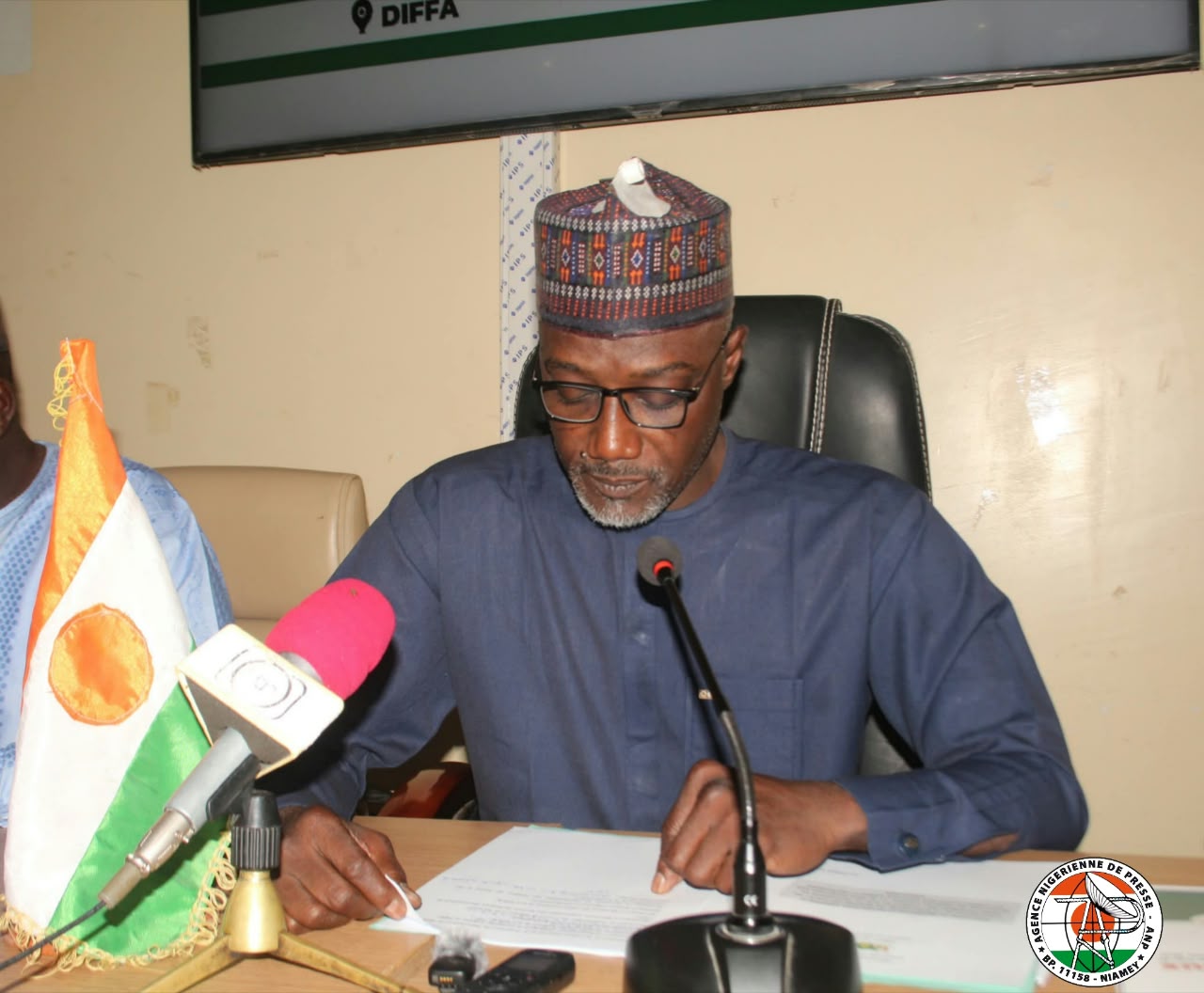
A regional workshop on the process of surrender, care, and reintegration of ex-combatants was conducted in Diffa on Monday, October 12, 2026. Presided over by the Secretary General of the Diffa region, M. Attahirou Mahamadou Maidouka, the event aimed to strengthen local capacities for managing former combatants in the region. This initiative gathered key stakeholders to enhance understanding and coordination on critical stages of disarmament, demobilization, and reintegration programs, addressing practical challenges faced by communities and authorities. The workshop showed the ongoing commitment to peacebuilding and stability in an area that has experienced significant security challenges. Its focus on practical, actionable strategies aimed to equip local actors with the tools necessary for effective management of reintegration processes.
Workshop Objectives and Scope
The workshop aimed to sensitize and build the capacities of various actors regarding the process of surrender, care, and reintegration for ex-combatants and associated individuals. This objective showed the initiative's focus on equipping local stakeholders with the necessary knowledge and tools to manage former combatants effectively. The program sought to foster a full understanding of the stages involved in disarmament, demobilization, and reintegration, addressing the practical challenges encountered by both communities and authorities in the Diffa region. Discussions covered various aspects, from initial contact and screening to psychosocial support and economic reinsertion. The organizers structured the sessions to ensure participants could apply learned methodologies in real-world scenarios, promoting a hands-on approach to capacity building. This full scope ensured that participants gained insights into the multifaceted nature of reintegration efforts, from security considerations to humanitarian aid and long-term development. Readers can expect to spend approximately 9 minutes engaging with the full article.
Key Participants and Location
The Secretary General of the Diffa region, M. Attahirou Mahamadou Maidouka, presided over the workshop. His presence marked the official opening and showed the regional administration's engagement with the initiative. The event, focused on strengthening local capacities for ex-combatant reintegration, convened participants from various sectors under his leadership. These participants included representatives from local government, security forces, civil society organizations, and community leaders, all key for the successful implementation of reintegration strategies. Discussions during the workshop aimed to enhance coordination among stakeholders involved in the surrender, care, and reintegration processes, fostering a unified approach. The proceedings took place in the meeting room of the Governorate in Diffa. This venue provided a central and official setting for the gathering, facilitating participation from regional government representatives and other key actors involved in peacebuilding efforts. The choice of location emphasized the official backing and strategic importance of the workshop within the regional governance structure.
Context of Reintegration Efforts
The Diffa region has faced significant challenges requiring strong reintegration programs for ex-combatants. Efforts in the area concentrate on establishing pathways for individuals who have disengaged from armed groups to rejoin civilian life. The process typically encompasses initial surrender, provision of care, and subsequent reintegration into communities. These initiatives are critical for fostering stability and preventing a resurgence of conflict within the region, contributing to long-term peace. Regional authorities, including those at the Governorate in Diffa, recognize the importance of well-coordinated strategies to manage the influx of former combatants effectively. Such programs are designed to address not only security concerns but also the socio-economic needs of returnees and their host communities. This includes vocational training, educational opportunities, and support for livelihood generation, ensuring sustainable reintegration. The overall aim is to build local capacity to ensure that these complex processes are handled systematically and humanely. This involves collaboration between governmental bodies and various support organizations to provide necessary resources and expertise, creating a full support network for ex-combatants and affected communities.