Two hundred patients suffering from cataracts are scheduled to receive free surgical intervention from September 10 to 15, 2026, at the Agadez Regional Hospital Center. This initiative is organized by the National Ocular Health Program with support from the Association for Support to Humanitarian Services. The collaborative effort between these two organizations shows a commitment to addressing prevalent ocular health issues in the region. The program aims to provide critical medical care to individuals in the Agadez region affected by cataracts, ensuring access to necessary treatment that might otherwise be unavailable. This specific intervention at the Agadez Regional Hospital Center is part of broader efforts to address ocular health needs in Niger, aiming to reduce the burden of preventable blindness.
Broader Reach Planned
Organizers of the free cataract surgeries intend to extend their reach beyond Agadez city. The initiative aims to serve patients from the communes of Aderbissinat, Arlit, Bilma, Iférouane, Ingall, and Tchirozérine. Additionally, several surrounding localities within the broader Agadez region are included in the planned outreach, ensuring that individuals residing in more remote or less accessible areas can also benefit from the medical intervention. This full approach is designed to provide access to specialized ophthalmic care for a wider demographic. The program's design reflects an effort to provide full coverage for cataract sufferers across a significant portion of the region, addressing a critical health need for a wider population and bridging geographical barriers to healthcare.
Context of Access
In Niger, access to surgical procedures remains more challenging for rural populations situated far from specialized medical centers. This disparity often limits the ability of residents in remote areas to receive timely and necessary medical interventions, including those for conditions like cataracts. The geographic distribution of healthcare facilities and the logistical difficulties of travel contribute significantly to this challenge, particularly for communities outside major urban hubs. Many individuals in these areas face considerable obstacles in reaching medical facilities where such specialized procedures can be performed. Efforts to provide medical services, such as the planned cataract surgeries in Agadez, frequently aim to bridge this gap by extending services to a broader patient base, acknowledging the hurdles faced by those in less accessible regions and striving to decentralize specialized care.
Related Health Initiatives
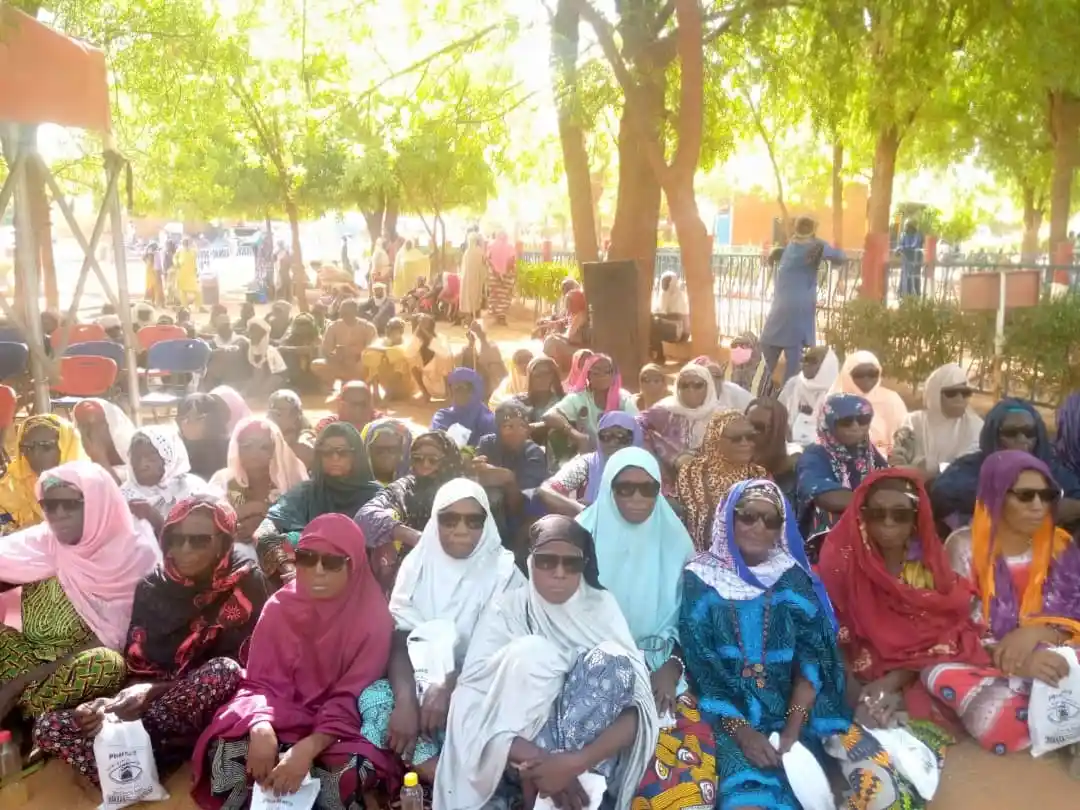
Another free cataract screening and surgery campaign was launched in Tahoua on September 4. This parallel initiative shows ongoing efforts in Niger to address ocular health needs across different regions, noting a nationwide focus on improving eye health. The campaign in Tahoua focuses on providing similar essential medical services, including screenings and surgical interventions for cataracts, to residents in that area, mirroring the services offered in Agadez. Such coordinated health drives aim to expand access to specialized medical care, particularly for conditions that can lead to preventable blindness, thereby improving quality of life for many citizens. These efforts complement the planned surgeries in Agadez by extending critical ophthalmic support to a broader segment of the population in Niger. The simultaneous campaigns highlight a sustained focus on improving eye health outcomes nationwide, demonstrating a concerted effort to tackle a significant public health challenge.
Campaign Details
The upcoming free cataract surgeries in Agadez will provide fully covered consultations and surgical interventions for all participating patients. The initiative has announced that the available slots for these procedures are limited to 200 patients in Agadez, emphasizing the importance of early registration for those in need. Consultations and interventions are announced as entirely covered, ensuring that financial barriers do not prevent eligible individuals from receiving vital treatment. This commitment to fully covered services is key for reaching the most vulnerable populations who might otherwise be unable to afford such specialized medical care. The limited number of places shows the high demand for these services and the strategic planning required to maximize the impact of the initiative within the allocated resources.