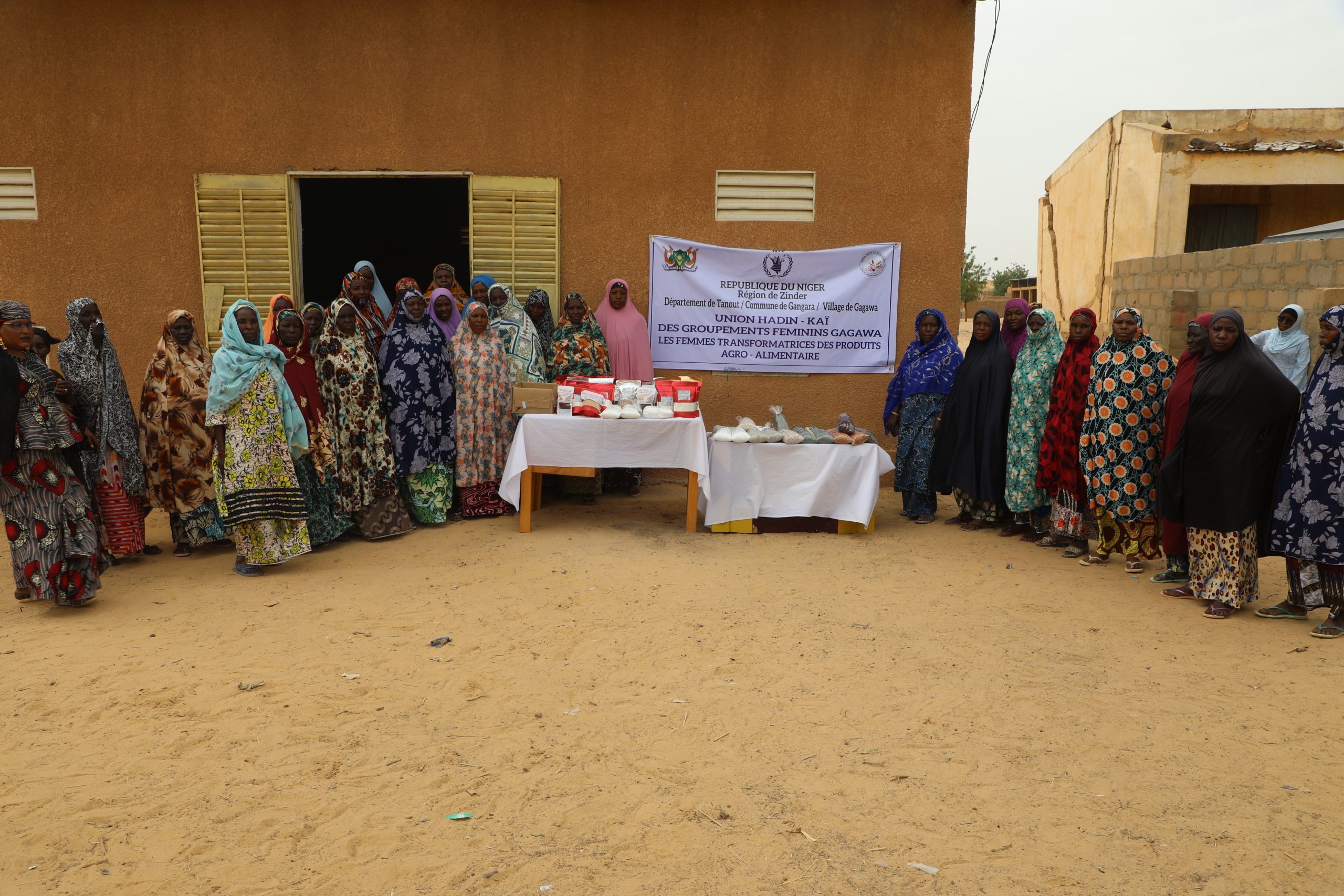
A significant land restoration effort is transforming the village of Gagawa, located within the rural commune of Gangara in Niger's northern band. This site, centrally positioned within the commune, is a focal point for environmental recovery. The initiative aims to revitalize degraded land, offering new prospects for the local community and fostering greater resilience against environmental challenges. This report, published on July 15, 2026, details the progress and impact of these "green revival" activities in the Sahel region, noting the collaborative efforts to combat desertification and improve livelihoods. The ongoing work in Gagawa represents a key step in addressing the broader environmental and social issues facing this part of Niger.
Context of Food Insecurity
Niger is a landlocked Sahelian country where nearly 80% of the population resides in rural areas. This demographic distribution places significant reliance on land-based livelihoods, making the health of the land directly tied to the well-being of its inhabitants. Land degradation, coupled with limited access to arable land, contributes substantially to the nation's food security challenges. These factors severely restrict agricultural productivity and the availability of sustenance for many families. The scarcity of water resources further exacerbates these issues, forming the primary causes of food insecurity across the country. These interconnected problems create a complex web of challenges that require full and sustained interventions to overcome. The struggle for food security is a daily reality for many Nigeriens, particularly those in remote rural areas dependent on rain-fed agriculture.
WFP's Intervention Efforts
The World Food Programme (WFP) has implemented interventions in Niger's Zinder region, targeting communities affected by food insecurity and land degradation. These efforts are part of a broader strategy to enhance resilience and improve livelihoods in vulnerable areas, aiming to provide long-term solutions rather than just temporary relief. The WFP's presence in the Zinder region is critical, as it is an area particularly susceptible to the harsh impacts of climate change and environmental deterioration. The Zinder region, where Gagawa is located, faces significant environmental challenges, including desertification and a lack of access to fertile land, which contribute to the precarious food situation for many of its residents. The WFP's work aims to support local populations through various programs, often linked to land restoration and sustainable agricultural practices, such as the initiatives currently underway in Gagawa. These initiatives are designed to provide both immediate relief and long-term solutions, aligning with national efforts to combat the effects of climate change and improve food security across the Sahelian country. The organization's presence in Zinder shows the critical need for external support in regions struggling with severe environmental and socio-economic pressures, demonstrating a commitment to fostering sustainable development and food self-sufficiency.
Local Impact and Transformation
Gagawa is situated approximately 120 km (75 miles) north of Zinder, a major regional hub in Niger, establishing its position within a key area for development and intervention. The village also lies 15 km (9 miles) east of Gangara, which serves as the chief town of the commune, providing administrative and logistical proximity. This geographical positioning places Gagawa within an area actively targeted by land restoration efforts, benefiting from its strategic location. The proximity to Gangara facilitates logistical support and community engagement for the ongoing environmental initiatives, ensuring resources and expertise can be effectively deployed. The village's location in the Zinder region is significant, as the area faces substantial environmental degradation and food insecurity, making it a focal point for interventions aimed at improving agricultural resilience and livelihoods. These efforts seek to transform local landscapes and enhance the quality of life for residents by addressing the effects of desertification, promoting sustainable land management, and ultimately contributing to a more food-secure future for the community. The success in Gagawa serves as a model for similar interventions across the broader Sahelian belt.