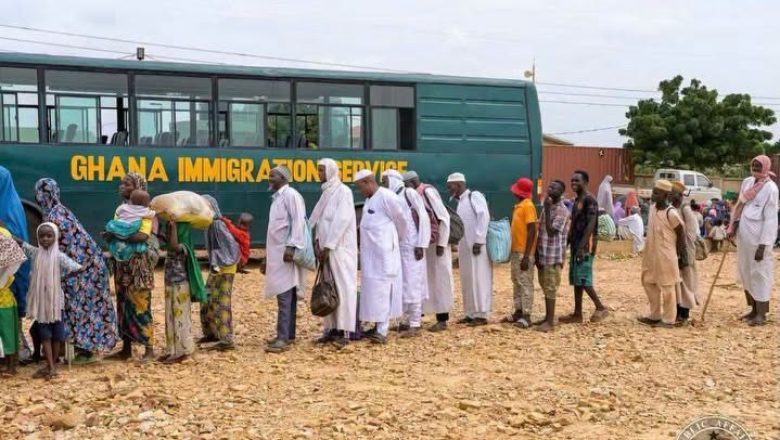
Ghanaian law enforcement agencies have conducted a series of extensive raids targeting a forced begging network across the West African nation. These coordinated operations, executed with precision, resulted in the apprehension of 1,055 West African nationals suspected of involvement in the illicit activities. The raids signify a major intervention by authorities against human trafficking and exploitation within Ghana's borders, aiming to dismantle a widespread criminal enterprise.
Massive Raid Details
The coordinated raids were executed across Ghana's Grand Accra and Ashanti regions, specifically targeting the forced begging ring's extensive operations. Law enforcement agencies launched these actions simultaneously to maximize their impact and apprehend individuals across various locations. The police action led to the apprehension of several Ghanaian accomplices involved in the network, indicating a domestic component to the transnational crime. The arrests represent a significant step in disrupting the illicit activities that exploited vulnerable individuals within the country. Authorities have not yet released specific details regarding the charges against the Ghanaian accomplices, but investigations are ongoing into their roles within the extensive operation, seeking to uncover the full scope of their involvement.
Transnational Criminal Network Uncovered
The majority of those apprehended in the police operation were Nigerien nationals, noting the transnational nature of the criminal enterprise. The arrests indicate the existence of a complex transnational criminal organization involved in forced begging, operating across international borders. This network extended beyond Ghana's borders, exploiting individuals from neighboring countries and orchestrating their involvement in illicit activities within Ghana. The scale and scope of the operation suggest that the criminal enterprise had established significant infrastructure and coordination to facilitate the forced begging across different regions, moving vulnerable people and managing their exploitation. Law enforcement agencies are continuing investigations to fully dismantle the network and identify all individuals responsible for its operation, from facilitators to key organizers. The focus remains on understanding the full extent of the transnational links and the sophisticated methods used to traffic and exploit victims. This includes tracing financial flows and communication channels used by the syndicate.
Humanitarian and Justice Challenges Ahead
Among those rescued, a distressing 662 children were identified as exploited individuals and have since been placed under the protection of social services. These children are receiving immediate care and support as authorities work to determine their long-term welfare. The humanitarian effort is further complicated by individual circumstances, as a Nigerien detainee gave birth to a baby girl on the very day the arrests were made, adding another layer of complexity to the care required.
The extensive humanitarian care required for over a thousand victims, including the provision of emergency housing, medical attention, psychological support, and eventual repatriation, is expected to significantly test Ghana's existing infrastructure and social services. This massive undertaking requires careful planning and resources to ensure the well-being of all those affected. In parallel, the Ghanaian justice system faces the critical task of demonstrating its capacity to effectively dismantle the entire command chain of this complex syndicate. This includes pursuing high-level perpetrators and ensuring accountability beyond the immediate arrests, sending a clear message that such exploitation will not be tolerated within Ghana's borders. The successful prosecution of those responsible is critical to deterring future criminal activities of this nature.