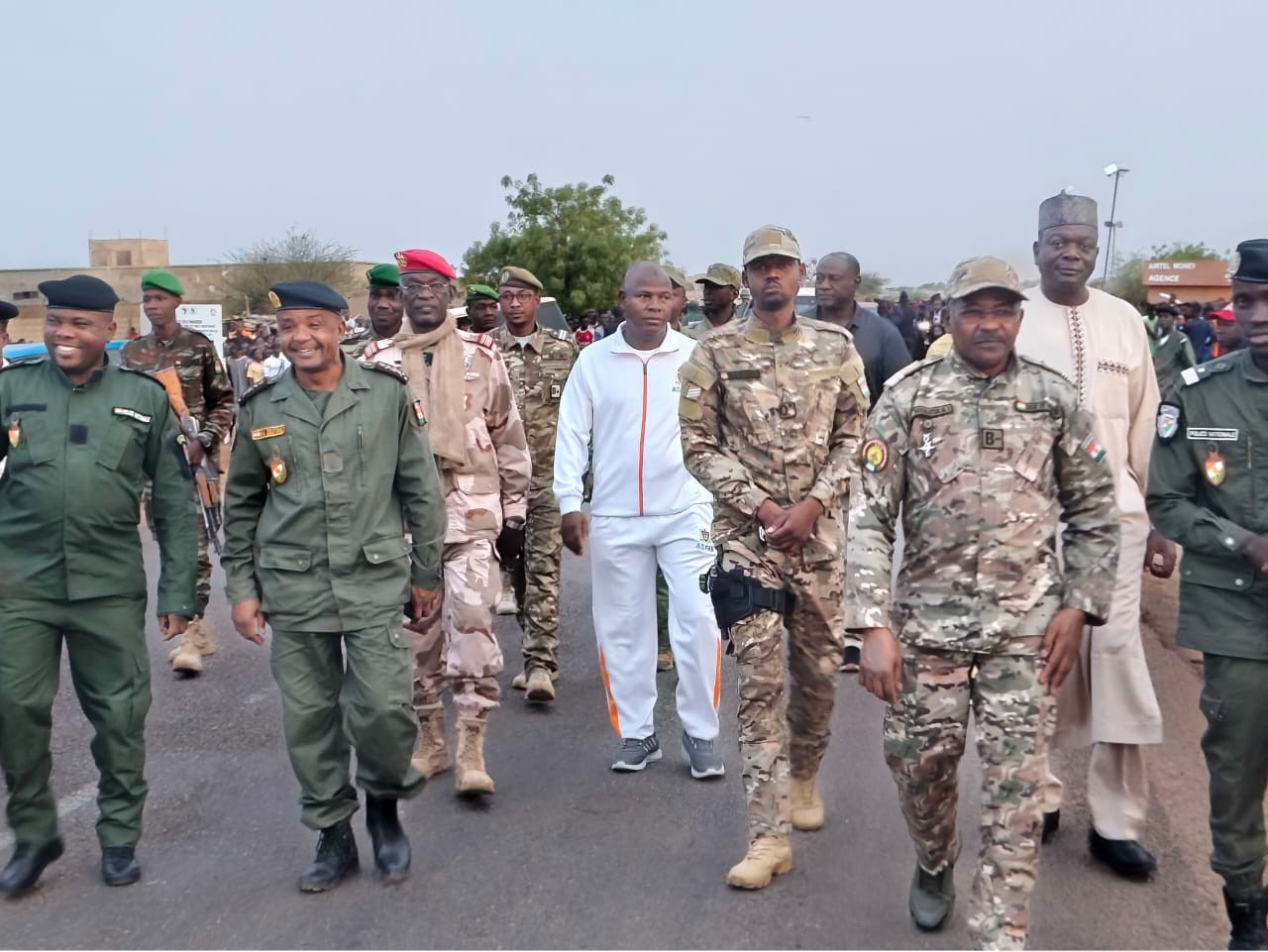
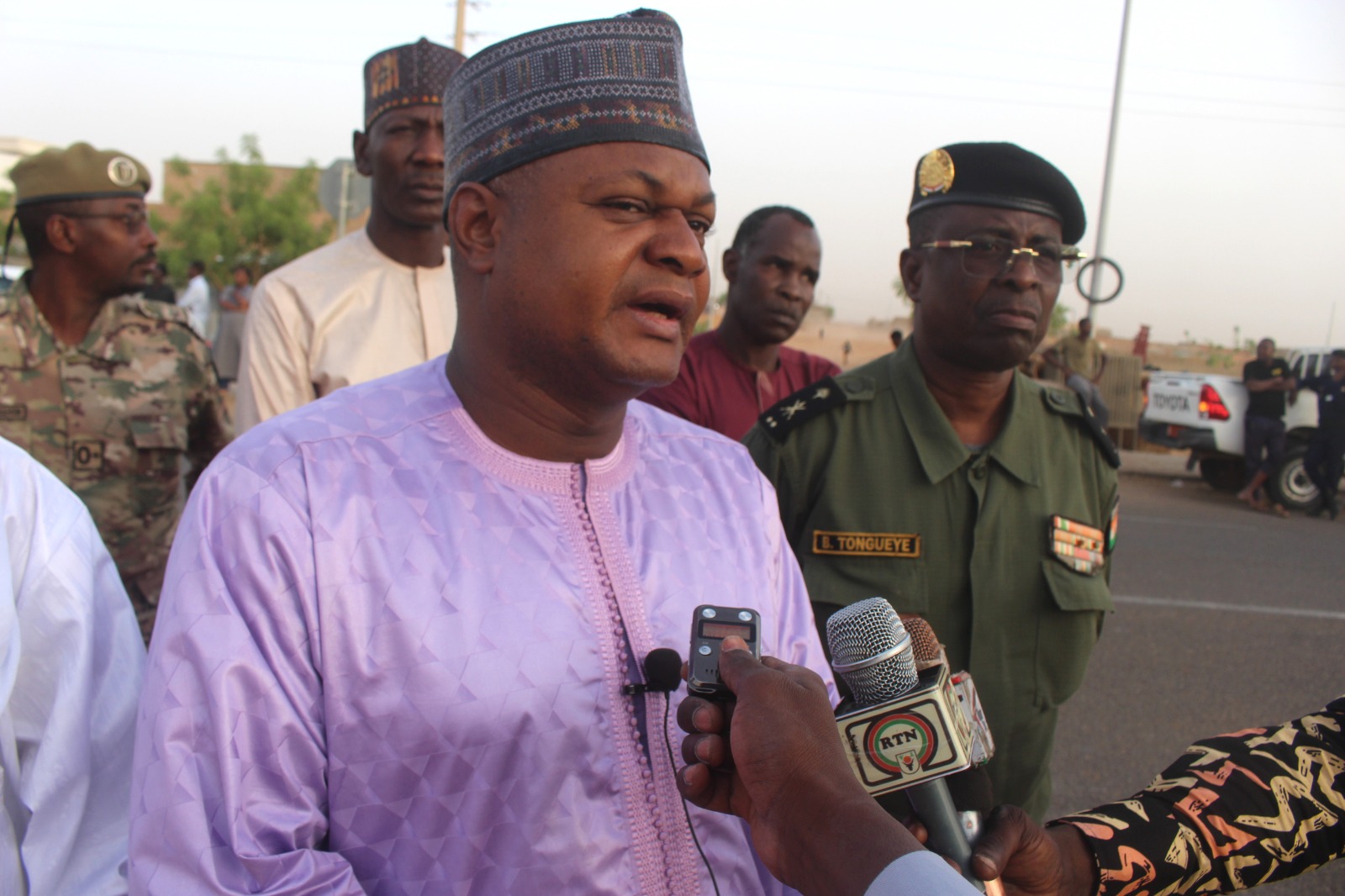
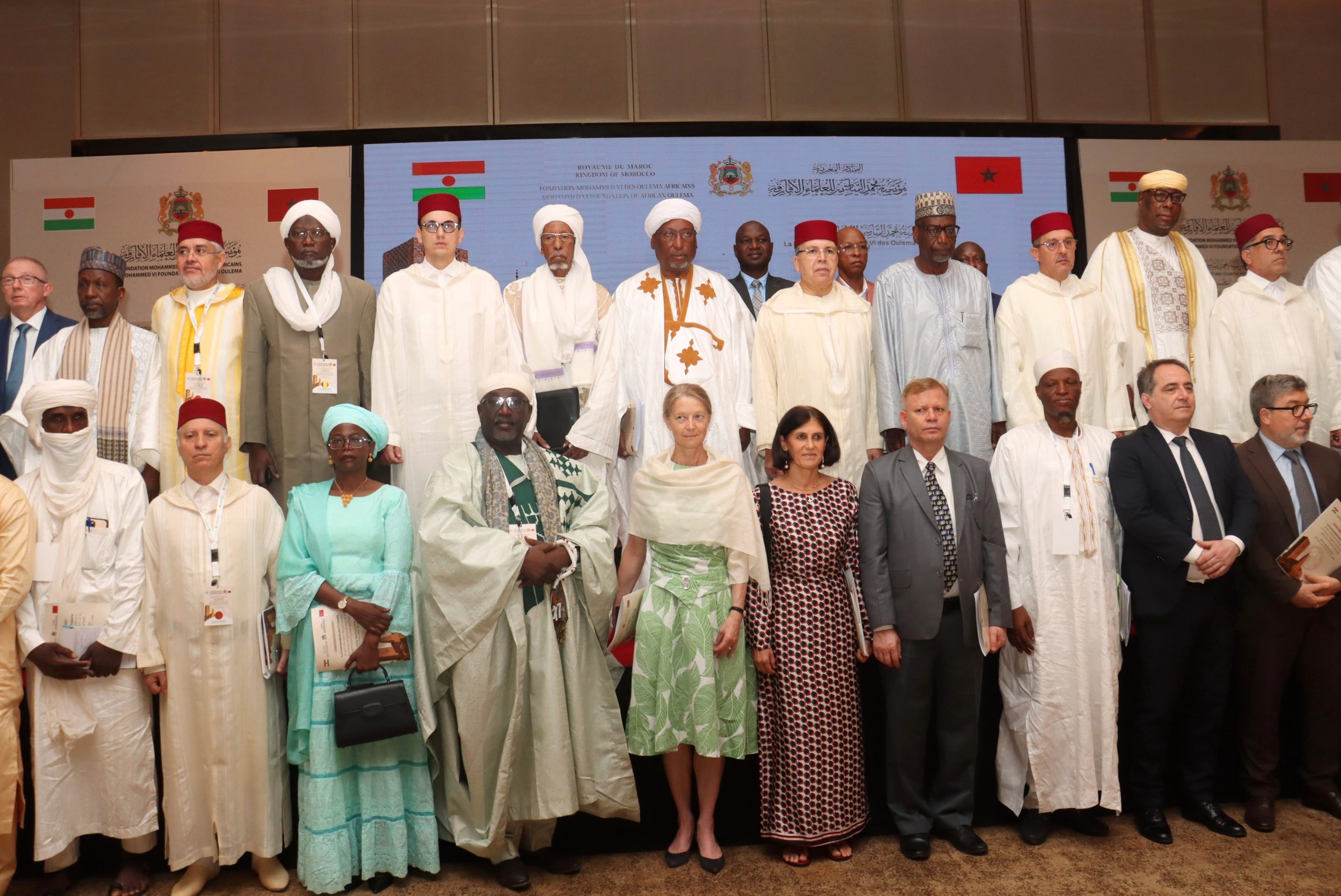
Le Gouverneur de la Région de Tahoua met with various technical development partners in Tahoua to discuss ongoing initiatives. The gathering served as a key platform for dialogue and coordination between regional leadership and organizations actively supporting development efforts in the area. This important meeting showed the collaborative spirit essential for addressing the complex challenges facing the region. Participants engaged in a thorough review of current projects and explored avenues for enhanced collaboration, aiming to amplify the positive impact of their work. The meeting specifically noted the unwavering commitment of local authorities to working closely and effectively with both international and national partners to strategically address the region's most pressing development priorities. Discussions throughout the session focused intently on optimizing resource allocation, ensuring that investments are directed where they can achieve the greatest benefit, and streamlining operational procedures for greater, more efficient impact on the local populace. The Governor of the Tahoua Region exchanged extensively with these technical development partners, fostering a mutual understanding of goals and methodologies.
Key Discussions and Objectives
The discussions between Le Gouverneur de la Région and the technical development partners in Tahoua focused primarily on achieving strategic alignment and enhancing operational efficiency across all initiatives. Participants meticulously reviewed the current portfolio of projects, emphasizing those specifically designed to address critical needs such as food security, ensuring reliable access to clean water, and improving educational infrastructure within Tahoua and its surrounding areas. This detailed examination allowed for a full understanding of the existing landscape of development interventions. The partners, representing a diverse array of expertise and resources, presented full updates on their respective interventions, detailing the progress made since their last coordination meeting and identifying specific areas where challenges persist or where greater synergy and collaborative action could significantly enhance outcomes. This transparent sharing of information was key for identifying gaps and opportunities.
A key objective of the meeting was to foster a more integrated and cohesive approach to development planning and implementation across the region. Le Gouverneur de la Région emphatically noted the critical importance of aligning all partner initiatives with the overarching regional development priorities of Tahoua. This alignment is critical for ensuring that efforts are complementary, reinforcing one another, rather than duplicative or fragmented, which could dilute their effectiveness. Specific attention was given to establishing and refining mechanisms for improving data sharing and strengthening monitoring frameworks. These tools are considered absolutely key for accurately tracking progress, measuring the impact of interventions, and making informed, data-driven adjustments to ongoing programs as needed. The extensive dialogue also covered full strategies for building strong local capacity, empowering community stakeholders to take ownership of development processes, and ensuring the long-term sustainability of development gains well beyond the immediate project lifespans. Participants actively explored innovative funding models and resource mobilization techniques to expand the reach and amplify the impact of future interventions, seeking sustainable solutions for continued growth. The convergence of perspectives and shared commitment showed a collective resolve to addressing the multifaceted development challenges facing the region of Tahoua through determined and collaborative action. This collaborative spirit aims to create lasting positive change for all residents.
Context of Development Efforts
Tahoua, a significant region in Niger, has consistently been a focal point for various development initiatives specifically aimed at addressing persistent socio-economic challenges. These concerted efforts often concentrate on improving the living conditions of its inhabitants and promoting sustainable, equitable growth within the local communities. The region faces a complex array of issues, including chronic food insecurity, which impacts a significant portion of the population, limited access to potable water, a fundamental necessity for health and well-being, and inadequate educational infrastructure, which hinders human capital development. These challenges collectively necessitate ongoing and substantial support from both governmental bodies and a wide range of international organizations. Development partners typically engage in a spectrum of projects designed not only to provide immediate relief but also to build long-term resilience and empower the population through targeted capacity building programs and direct aid designed to foster self-sufficiency.
The collaboration between regional authorities, personified by Le Gouverneur de la Région, and these dedicated partners is absolutely key for ensuring that all interventions are precisely aligned with local needs and priorities, reflecting the lived realities of the communities they serve. This meticulously coordinated approach seeks to maximize the impact of available resources, ensuring efficiency and effectiveness, and to foster long-term positive change that is both sustainable and impactful. The discussions held in Tahoua frequently revolve around optimizing project implementation strategies, sharing best practices learned from various experiences, and developing innovative strategies to overcome recurring obstacles that often impede progress. Such dialogues are undeniably essential for adapting development programs to the evolving context of the region, ensuring their continued relevance and effectiveness in improving the overall welfare and quality of life for its inhabitants. This dynamic engagement ensures that development efforts remain responsive and impactful.
The historical context of development in Tahoua notes a continuous need for integrated solutions that address interconnected issues. For instance, efforts to improve food security are often linked with initiatives to enhance water access for agriculture, while educational programs are designed to equip the next generation with the skills needed for sustainable livelihoods. The presence of numerous technical development partners signifies the scale of the challenges and the collective will to overcome them. These partners bring diverse expertise, ranging from agricultural science and public health to infrastructure development and governance, all contributing to a holistic approach. The Governor's role in convening these partners is critical for harmonizing these varied efforts, ensuring that they contribute to a unified regional development vision rather than operating in silos. This kind of high-level coordination is fundamental to achieving meaningful and lasting progress in a region with such profound development needs. The ongoing dialogue ensures that resources are not only allocated efficiently but also that the methodologies employed are culturally sensitive and appropriate for the local context, thereby increasing the likelihood of successful project outcomes and community acceptance.
Partner Commitments and Next Steps
Following the full review of ongoing projects and the strategic discussions, the technical development partners articulated their firm commitments for future collaboration and outlined the immediate next steps to translate dialogue into action. Representatives from various organizations, both international and national, unequivocally reaffirmed their dedication to supporting the development priorities explicitly identified by Le Gouverneur de la Région for Tahoua. The partners collectively emphasized a continued and focused commitment to key sectors such as enhancing food security, ensuring expanded access to clean water, and the key enhancement of educational infrastructure across the entire region of Niger. This multi-sectoral approach reflects an understanding of the interconnected nature of development challenges.
Discussions among the partners led to a strong consensus on the critical importance of adopting an integrated approach to project implementation. This strategic approach is meticulously designed to ensure that all interventions are complementary, reinforcing each other's effectiveness, and crucially, to avoid any duplication of efforts, thereby maximizing the impact of finite resources. Several partners specifically committed to increasing resource allocation towards programs that directly address the most pressing and urgent needs of the local communities in Tahoua. This includes a range of initiatives aimed at improving agricultural resilience through sustainable farming practices, expanding vital water supply networks to reach more communities, and constructing or rehabilitating essential schools to provide better learning environments for children and youth.
A significant point of agreement and a cornerstone of future collaboration involved strengthening coordination mechanisms between the various development entities and the regional administration. Participants committed to regular and transparent information sharing, coupled with joint planning sessions, to meticulously align their activities with the overarching regional development plan. This ensures a unified direction and purpose. The partners also pledged to significantly improve data collection methodologies and enhance monitoring frameworks, which are considered absolutely key for accurately tracking progress, measuring impact effectively, and making informed, agile adjustments to ongoing programs as circumstances evolve. This commitment aims to enhance transparency and accountability in all aspects of project implementation, building trust and ensuring efficient use of resources.
The development partners collectively expressed their resolute intent to bolster local capacity-building efforts significantly. This involves providing targeted technical assistance and full training to local stakeholders, including community leaders, local government officials, and grassroots organizations. The objective is to empower them to take a more active, leading role in the planning, execution, and oversight of development projects within their own communities. The ultimate goal is to foster sustainable development outcomes that are genuinely driven by community needs and underpinned by strong local ownership. Efforts will also focus intently on ensuring the long-term sustainability of development gains, striving to make positive changes endure well beyond the immediate project lifespans, thereby creating a lasting legacy of progress.
The meeting concluded with a mutual understanding that continued, strong dialogue and close collaboration are absolutely essential for effectively addressing the multifaceted development challenges facing Tahoua. The partners outlined a series of concrete follow-up meetings and specialized workshops to refine specific action plans and establish clear, measurable timelines for implementation. Le Gouverneur de la Région and the technical development partners committed to working extremely closely together to translate the discussed strategies into tangible, measurable results, aiming to significantly improve the living conditions and promote sustainable growth for the entire population of Tahoua, Niger. The immediate next steps include the formalization of these commitments into detailed work plans, outlining specific responsibilities and deliverables, and the establishment of a joint task force for continuous monitoring and rigorous evaluation of progress, ensuring that all efforts remain on track and achieve their intended impact. This full approach signifies a renewed dedication to the region's development trajectory.