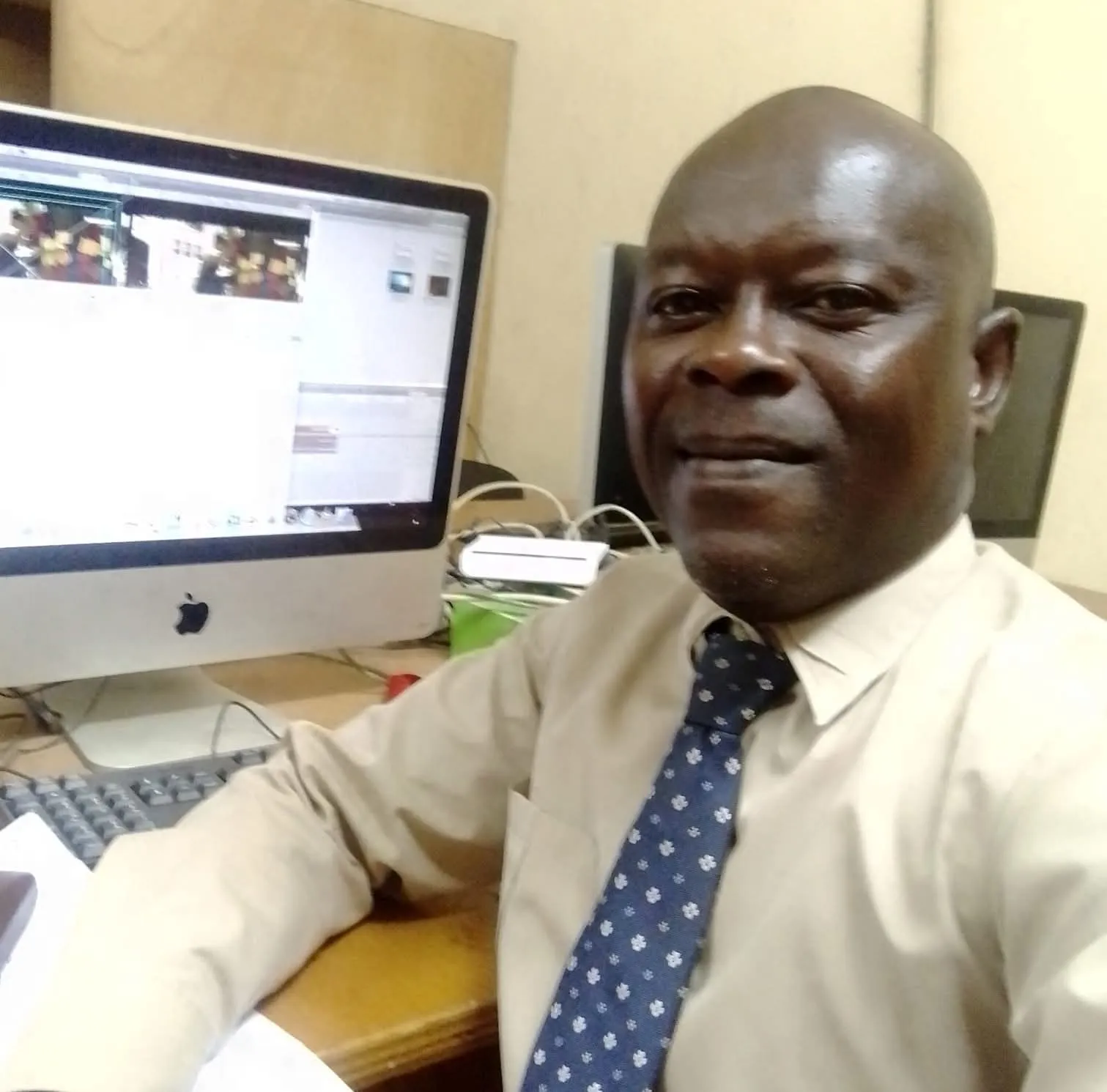
Journalist Ibro Chaibou, editor-in-chief of Saraounia television, was released on Friday, August 28, 2026, after nearly ten months in detention. The announcement of his release brings to an end a significant period of incarceration that drew international attention. Authorities had arrested Mr. Chaibou in Niamey on October 30, 2025. Following his arrest, he was subsequently indicted and placed under a committal order at Kollo prison starting November 3, 2025, marking the official beginning of his detention period. His release, therefore, concludes nearly ten months of confinement for the prominent media figure.
Charges and Previous Detentions
The case involving Mr. Chaibou also implicated other journalists. Youssouf Seriba, publication director of Les Echos du Niger, and Oumarou Kané, founder of Le Hérisson newspaper, were also detained in connection with the same legal proceedings. Authorities prosecuted the three journalists for "complicity in disseminating documents likely to disturb public order," a charge that has been widely criticized by press freedom advocates. The specific allegations against them stemmed from their involvement in sharing an invitation on social media to a press conference organized by the Fonds de solidarité pour la sauvegarde de la patrie (FSSP). This action, according to authorities, constituted grounds for their prosecution.
While Mr. Chaibou's detention extended, his colleagues saw earlier releases. Mr. Seriba and Mr. Kané were released from prison on July 14, 2026, after more than eight months in detention. Despite their release, Mr. Chaibou, however, remained incarcerated, intensifying calls for his freedom from various human rights and press freedom organizations until his eventual release on August 28.
International Condemnation of Tactics
The application of cybercrime laws against journalists in this context has drawn sharp criticism from leading international organizations. Reporters Without Borders, the International Federation for Human Rights (FIDH), the World Organisation Against Torture (OMCT), and Human Rights Watch collectively denounced the use of such legal frameworks. These organizations stated that such legal frameworks were being used to suppress press freedom and silence critical voices within the country, arguing that they are often misapplied to journalistic activities. Their joint statements noted serious concerns over the increasing criminalization of journalistic activities through legislation initially designed to combat cyber offenses. These groups argued that the tactic created a chilling effect on reporting and violated international standards for freedom of expression. The organizations consistently called for the immediate and unconditional release of all journalists detained under these provisions, emphasizing the importance of a free and independent press in a democratic society.
Broader Context of Press Freedom
The detention of journalists in connection with their reporting has prompted significant concern among international press freedom advocates, viewing it as part of a worrying trend. Organizations including Reporters Without Borders, the International Federation for Human Rights (FIDH), the World Organisation Against Torture (OMCT), and Human Rights Watch have consistently raised alarms regarding the broader implications for press freedom in the region. These groups have frequently noted the use of specific legislation, such as cybercrime laws, as a tool to restrict journalistic activities and silence dissenting voices, thereby undermining the public's right to information.
The case of Ibro Chaibou, editor-in-chief of Saraounia television, along with Youssouf Seriba of Les Echos du Niger and Oumarou Kané of Le Hérisson, reflects these ongoing concerns about the state of media freedom. Their arrests and subsequent charges related to "complicity in disseminating documents likely to disturb public order" have been cited by human rights organizations as examples of the increasing criminalization of journalism. Critics argue that such legal actions create a chilling effect, deterring critical reporting and undermining the public's right to information. International bodies continue to advocate for adherence to global standards for freedom of expression, urging authorities to ensure that journalists can operate without fear of arbitrary detention or prosecution for their professional duties.