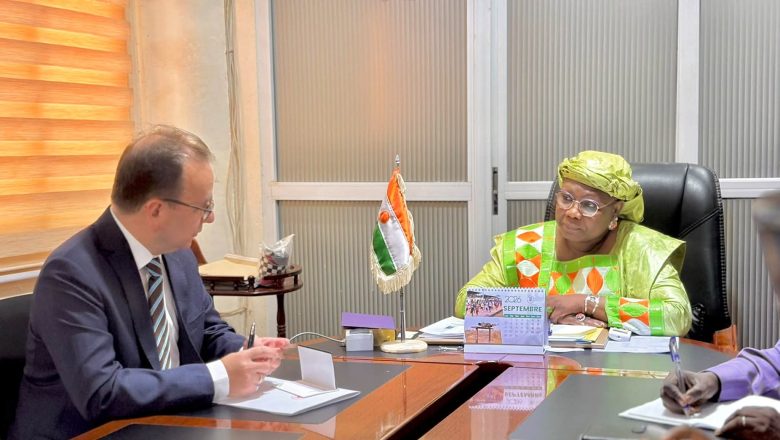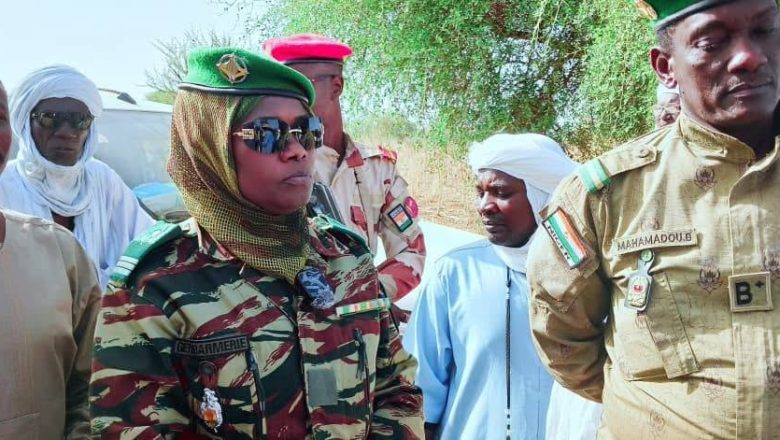
The Prefect of Keita initiated a field mission on Tuesday, October 20, 2026, in the rural commune of Ibohamane. Officials launched this intervention to address and prevent agropastoral conflict in the area. The mission was organized to facilitate direct engagement with local stakeholders and ensure the implementation of agricultural and pastoral regulations.
Targeting High Risk Areas
Administrative officials identified the sectors of Inkimkara, Inwagar, and Labanda as locations facing a high risk of agropastoral conflicts. The mission specifically targeted these three sectors due to their strategic importance and the frequent intersection of farming and grazing activities within their boundaries. By focusing on Inkimkara, Inwagar, and Labanda, the Prefect of Keita aimed to establish a proactive presence before potential disputes could escalate.
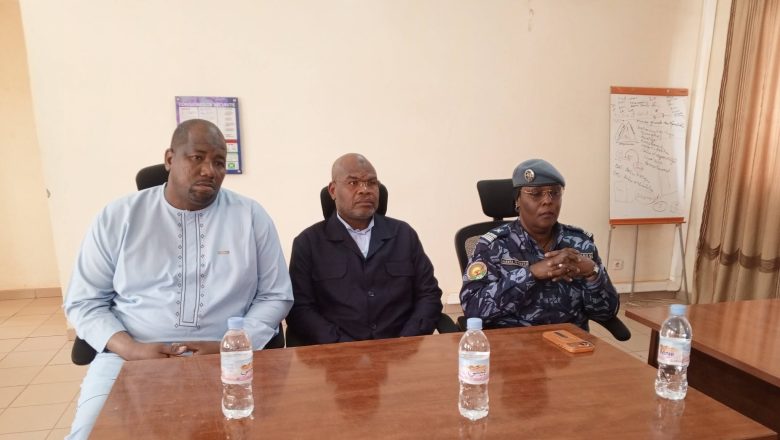
The delegation tasked with visiting these areas included administrative officials, security forces, livestock and planning services, and traditional leaders. This multi-disciplinary team was assembled to provide full oversight and expertise during the site visits. Administrative officials provided the necessary legal and regulatory guidance, while security forces ensured the maintenance of order throughout the duration of the visit. Representatives from livestock and planning services offered technical assessments regarding land use and resource management, and traditional leaders served as essential mediators, bridging the gap between the administrative authorities and the local population.
During the visit, authorities enforced the requirement for herders to respect designated transhumance corridors. These corridors are essential infrastructure designed to allow for the movement of livestock while protecting the interests of farmers. The regulations discussed by the delegation mandate that livestock remain away from cultivated areas until harvests are complete. This policy is intended to prevent the destruction of crops by grazing animals, a primary driver of local tension.
The delegation engaged with community members in Inkimkara, Inwagar, and Labanda to emphasize the importance of adhering to these established guidelines. Traditional leaders were encouraged to support these efforts by promoting awareness among the local residents. The livestock and planning services representatives worked alongside these leaders to clarify the boundaries of the transhumance corridors, ensuring that all parties understood the designated paths for cattle movement.
The security forces accompanying the delegation maintained a presence throughout the tour of the rural commune of Ibohamane to monitor compliance and provide a sense of stability. The collaborative approach involving administrative officials, security forces, livestock and planning services, and traditional leaders allowed the mission to address both the physical management of land and the social dynamics of the region. By clearly communicating the rules regarding transhumance and crop protection, the delegation sought to mitigate the risk of future disputes.
The mission concluded at 17:30 on October 20, 2026. Following the conclusion of the visit, the administrative authorities of Keita prepared to evaluate the effectiveness of the intervention and monitor the situation in the rural commune of Ibohamane to ensure that the peace and order established during the mission are maintained throughout the harvest season.