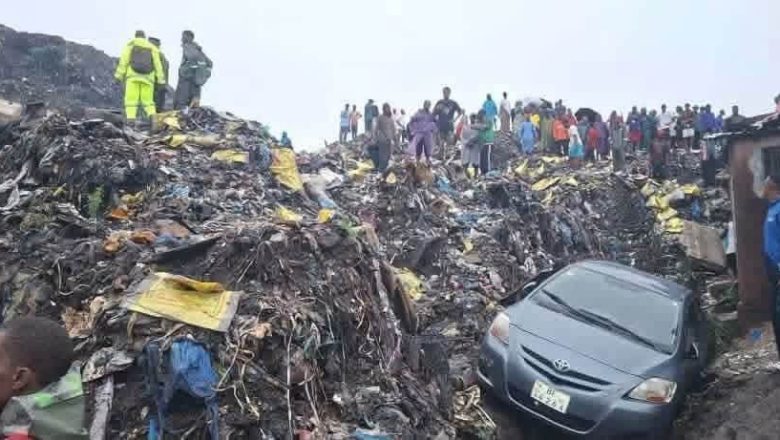
A catastrophic landfill collapse at the Dar-es-Salam site in Conakry's Gbessia commune on the night of Saturday to Sunday, specifically around 2 AM, has led to a significant loss of life and numerous injuries. The incident has resulted in 30 deaths, with an additional 6 individuals sustaining serious injuries and 16 others suffering minor injuries. Investigations into the cause of the effondrement point to strong rainfall recorded overnight, which is widely believed to have critically weakened the structural integrity of the site. The sudden collapse caused widespread destruction, demolishing several habitations in the immediate area and trapping many residents within the debris. The tragic event has sent shockwaves through the community, noting the vulnerabilities faced by populations residing in proximity to such hazardous locations.
Rescue and Response Efforts Underway
In the immediate aftermath of the disaster, extensive rescue operations were swiftly launched, involving a full multi-agency effort to locate and assist those affected. The Forces de défense et de sécurité are actively participating in these key efforts, working tirelessly alongside dedicated medical services and the humanitarian aid organization Croix-Rouge. Their combined presence is essential for managing the complex site and providing critical assistance to the victims. Administrative and local authorities are deeply engaged in coordinating the response, collaborating closely with residents from the affected area who are also contributing to the rescue and recovery efforts. This collective action shows the gravity of the situation and the urgent need for a coordinated approach.
All injured individuals recovered from the collapse are currently receiving urgent medical attention at the CHU de Donka. The hospital has become a central point for treating those who sustained both serious and minor injuries during the incident, with medical personnel working diligently to provide care and support to the victims. The ongoing operations are focused on ensuring that all trapped individuals are accounted for and that the injured receive the best possible medical treatment.
Official Reactions and Site Visit
Prime Minister Amadou Oury Bah promptly visited the site of the landfill collapse in Dar-es-Salam, located within the Gbessia commune, following the devastating incident. During his visit, the Prime Minister conveyed profound condolences to the victims and their grieving families, delivering this message on behalf of His Excellency President Mamadi Doumbouya and the entire government. The Prime Minister's direct presence at the disaster zone served to show the official response to the tragedy, which has claimed 30 lives and left many more injured. The government's message emphasized solidarity with all those affected by the profound sorrow and challenges brought about by the disaster, pledging support for the recovery efforts.
Broader Implications and Risks Noted
The tragic incident in Conakry serves as a stark and immediate reminder of the inherent dangers confronting communities residing in proximity to vulnerable locations such as the Dar-es-Salam landfill. The effondrement notes a critical and urgent need for bolstered oversight and reinforced surveillance of such sites, particularly in anticipating and mitigating the severe impact of significant rainfall, which was a key contributing factor in this catastrophe. Effective disaster preparedness measures, including the implementation of enhanced monitoring systems, are key for preventing similar tragedies from occurring in the future. The event profoundly emphasizes the necessity for immediate and strong rescue capacity to respond swiftly and effectively when such incidents occur, thereby minimizing the tragic loss of life and reducing the number of injuries. The Dar-es-Salam landfill collapse stands as a stark reminder of the broader risks associated with urban waste management infrastructure, especially in densely populated areas that are susceptible to environmental factors like heavy precipitation. It urgently calls for a full review of safety protocols and urban planning near these essential yet potentially hazardous facilities to ensure the safety and well-being of residents. The incident clearly notes the risks faced by populations near vulnerable sites and the pressing need for reinforced surveillance, better anticipation of rainfall patterns, and improved immediate rescue capabilities.
Update Timestamp
The article was last updated on August 24, 2026, at 14:28 GMT, reflecting the ongoing developments and official statements concerning the landfill collapse in Conakry.