Malaria is the primary cause of illness and death among children aged 0 to 5 years across Niger. Indeed, malaria stands as the leading cause of morbidity and mortality in this vulnerable age group throughout the country. In Dosso, the regional hospital's pediatric service frequently admits children who arrive for treatment at an advanced stage of the disease, according to hospital staff. The pediatric service at the Dosso regional hospital consistently receives children whose conditions have often progressed significantly due to delays in seeking medical attention. This late presentation poses considerable challenges for medical professionals striving to provide effective care.
Urgent Care Protocols
The emergency protocol established by the National Malaria Control Program (PNLP) mandates a simultaneous assessment of a child's disease severity upon arrival. This full evaluation includes checking for convulsions, assessing the level of consciousness, and determining the child's ability to drink. These critical parameters help medical staff quickly ascertain the urgency and nature of the required intervention. As part of this initial assessment, medical staff measure the child's temperature and blood glucose levels immediately, providing vital physiological data to guide treatment decisions. These initial measurements are key for identifying immediate threats such as fever or hypoglycemia, which are common complications of severe malaria.
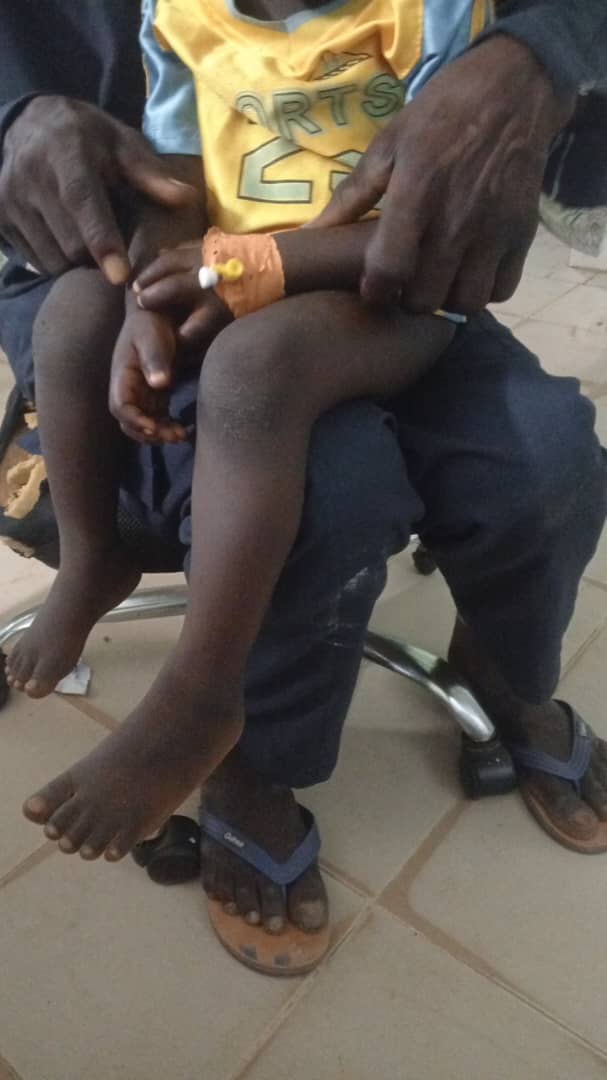
For children presenting with fever, injectable paracetamol is administered via perfusion to manage the elevated temperature and alleviate discomfort. This method ensures rapid absorption and effectiveness. If a child experiences convulsions, Diazepam is given either rectally or intravenously, with oxygen provided as necessary to support respiratory function and prevent further neurological damage. A 10% glucose perfusion is administered to children who are unable to drink, a measure designed to prevent hypoglycemia, a common and dangerous complication in severe malaria cases, particularly in young children. This intervention helps stabilize blood sugar levels, which can drop precipitously during the acute phase of the illness. The initial step in the medical treatment process, once these immediate stabilization measures are in place, is an injection of Artésunate, targeting the parasitic infection directly with a potent antimalarial agent. This rapid introduction of Artésunate is critical for reducing parasite load and preventing disease progression.
The Human Toll of Malaria
Severe forms of malaria, which include cerebral malaria and severe malarial anemia, are major contributors to hospitalizations within pediatric services. These critical manifestations of the disease often require intensive medical intervention to prevent fatal outcomes, placing a significant strain on healthcare resources. These severe forms of malaria are responsible for a significant number of admissions to pediatric services, noting the urgent need for effective prevention and rapid treatment. The high incidence of these conditions places a significant burden on healthcare facilities, particularly in regions like Dosso, where malaria remains endemic. Medical protocols are specifically designed to address the acute symptoms and complications arising from these severe presentations, aiming to stabilize the child's condition and combat the parasitic infection. The focus on rapid assessment and treatment aims to mitigate the impact of these life-threatening forms of malaria on young children, who are particularly vulnerable to its most serious effects and whose developing systems are less equipped to handle the severe physiological stress.
Mothers' Experience and Hope
Mothers bringing their children to the pediatric service at Dosso regional hospital frequently postpone seeking medical consultations. This delay in presentation often exacerbates the severity of their children's malaria symptoms upon arrival at the facility, making treatment more complex and outcomes less certain. The hospital staff observe that children are typically brought in when their condition has progressed to an advanced stage, complicating treatment efforts and increasing the risk of severe complications or even death. This pattern of delayed consultation is a significant concern for health professionals, as early intervention is key for effective malaria management. Addressing the barriers that lead to these delays is an ongoing challenge for public health initiatives in the region, as timely access to care is critical for improving survival rates and reducing the long-term impact of malaria on children.