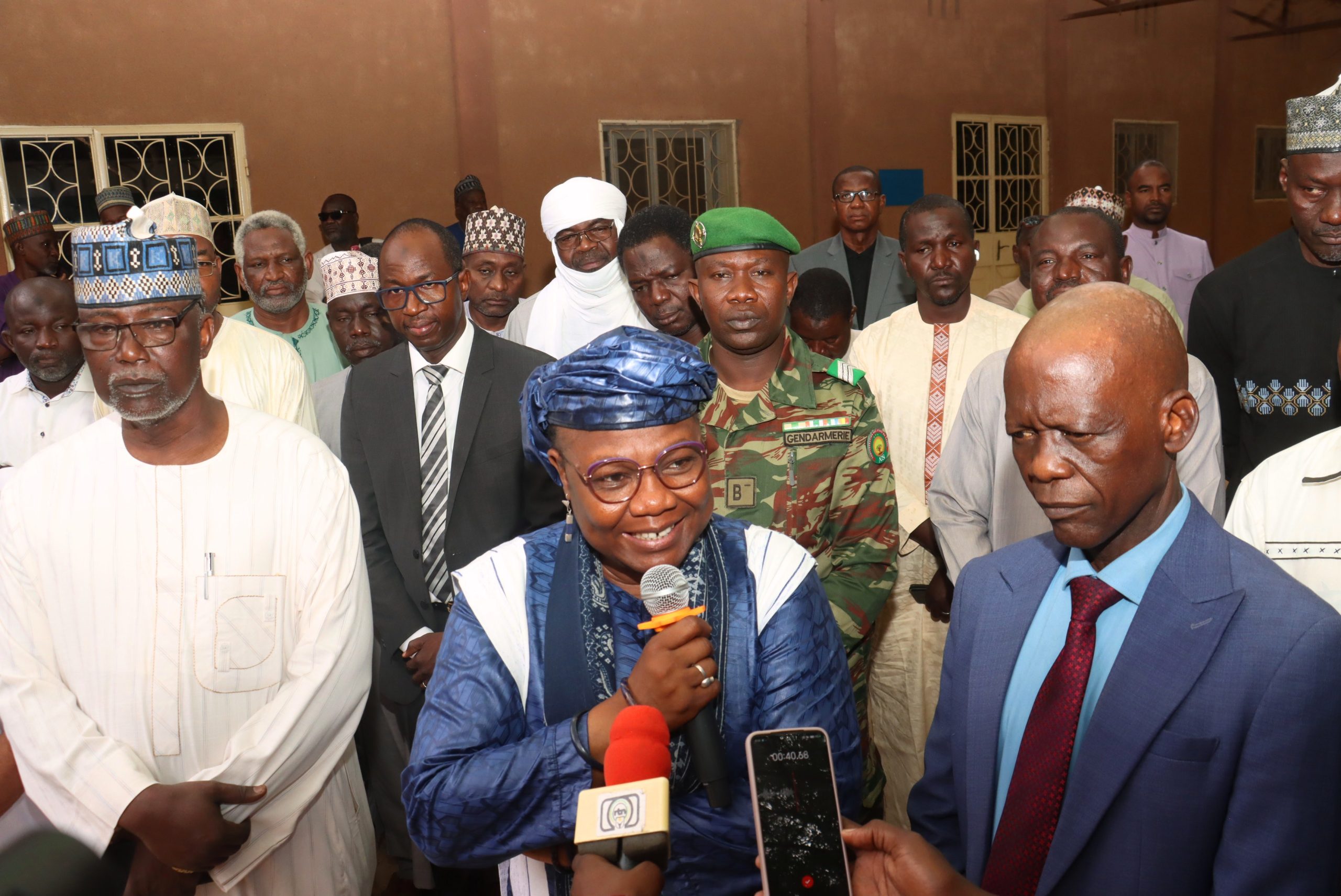
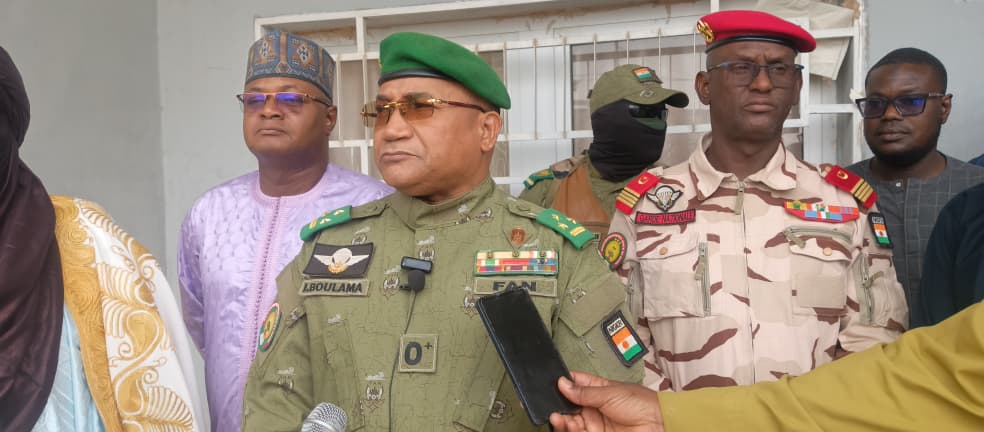
The Governor of Maradi recently attended the 'Hawan Kawo' cultural ceremony, a significant event for the Katsina Maradi Sultanate. The Governor's presence at the ceremony shows its cultural importance within the Maradi region. The 'Hawan Kawo' is a traditional gathering that brings together community members and leaders, often featuring displays of horsemanship, music, and vibrant local attire. Such ceremonies play a vital role in preserving the rich heritage and traditions of the Maradi people. The specific location of the ceremony, held directly in front of the Sultanate of Katsina Maradi, further amplified its traditional significance and connection to the region's historical leadership. This setting provided a powerful backdrop, visually linking the contemporary celebration to centuries of established cultural practices and governance. The Governor's attendance at this deeply rooted event noted the administration's recognition of the enduring value of these cultural expressions.
Significance of Hawan Kawo
The 'Hawan Kawo' ceremony holds deep cultural and historical significance for the Katsina Maradi Sultanate, serving as a cornerstone of its traditions. This annual event is not merely a spectacle but a reaffirmation of community bonds and a display of the region's rich heritage. It traditionally features vibrant cultural performances, including equestrian displays, music, and traditional attire, reflecting the customs passed down through generations. The careful preparation and execution of these elements speak to the profound respect held for ancestral practices and the desire to transmit them faithfully to younger generations. The ceremony acts as a living museum, showcasing the artistic and martial prowess that has defined the Sultanate's history.
The ceremony serves as a platform for the Sultanate to showcase its enduring cultural practices, reinforcing a sense of identity among its people. Its historical roots are intertwined with the legacy of the Katsina Maradi Sultanate, making each iteration a living testament to its past. The event's location, directly in front of the Sultanate of Katsina Maradi, further emphasizes its central role within the established cultural and administrative heart of the region. This traditional setting provides a symbolic backdrop, linking the contemporary celebration to centuries of history and governance. The physical proximity to the Sultanate's seat of power imbues the ceremony with an added layer of authenticity and historical continuity, drawing a direct line from past rulers to present-day custodians of tradition. The grand entrance of the Sultan, often on horseback, escorted by a retinue adorned in elaborate garments, is a highlight that captivates attendees and symbolizes the enduring authority and prestige of the traditional institution.
The Governor of Maradi's attendance at the ceremony further shows its importance, signaling official recognition of its cultural value and its role in regional cohesion. Such high-profile participation can often attract broader attention to these traditional practices, potentially aiding in their preservation and continuity. The presence of governmental figures alongside traditional leaders at such events symbolizes a harmonious relationship between modern governance and age-old customs, a synergy key for the region's stability and development. This convergence of leadership figures at a culturally key event sends a clear message about the shared commitment to upholding the region's unique identity.
For the local populace, the 'Hawan Kawo' is a moment of collective pride, an opportunity to celebrate shared heritage, and a chance for different segments of the community to gather. It also provides a public space for the Sultanate to engage with its constituents, fostering a sense of unity and shared purpose within the broader Maradi region. The event's ability to draw significant figures like the Governor notes its societal weight beyond purely cultural aspects. It becomes a focal point for social interaction, community building, and the intergenerational transfer of knowledge and values. Families gather, elders recount stories of past ceremonies, and children learn about their cultural inheritance through direct observation and participation. The vibrant atmosphere, filled with the sounds of traditional instruments and the sight of colorful processions, creates an indelible impression on all who witness it. The 'Hawan Kawo' thus transcends a mere annual event, becoming a profound statement of collective identity and resilience.
Governor's Presence and Relations
The Governor of Maradi's participation in the 'Hawan Kawo' ceremony marked a significant moment for both the regional administration and the Katsina Maradi Sultanate. His presence at the event, held directly in front of the Sultanate of Katsina Maradi, showed a commitment to fostering strong relations between political leadership and traditional institutions. This public demonstration of support for the Sultanate's cultural heritage noted the importance attributed to traditional customs within the Maradi region. By attending, the Governor acknowledged the Sultanate not just as a historical entity but as a vital, active force in the cultural and social fabric of the state. This act of engagement helps to bridge any perceived gaps between modern administrative structures and the deeply respected traditional authorities.
The attendance by a high-ranking official such as the Governor typically signals official recognition of the cultural and social value of such events. It can also serve to reinforce community cohesion by publicly acknowledging and celebrating shared traditions. For the Katsina Maradi Sultanate, the Governor’s presence provided an endorsement of its role as a custodian of local culture and traditions. It allowed the Sultanate to showcase its enduring practices and the continuity of its heritage to a broader audience, including governmental representatives. This visibility is invaluable for traditional institutions seeking to maintain their relevance and influence in a rapidly changing world. The Governor's participation lends governmental legitimacy to the cultural preservation efforts championed by the Sultanate, encouraging broader public and institutional support.
The Governor's engagement at the 'Hawan Kawo' ceremony contributes to the broader dialogue regarding the interplay between modern governance and traditional authority in the region. Such interactions are often seen as key for maintaining stability and fostering a sense of shared identity among diverse populations. The ceremony itself, with its rich displays of horsemanship, music, and traditional attire, offered a platform for this interaction to unfold in a culturally resonant setting. This public appearance can be interpreted as an effort to bridge potential divides and strengthen collaborative efforts on matters of cultural preservation and community development. The visual spectacle of the Governor and the Sultan sharing a platform, engaging in respectful dialogue, and observing the cultural performances together, sends a powerful message of unity and mutual respect to the entire community. This collaborative spirit is essential for addressing the multifaceted challenges and opportunities facing the Maradi region.
The event provided an opportunity for the Governor to engage with community members and traditional leaders in a non-political context, emphasizing mutual respect and cooperation. This can be particularly important in regions where traditional institutions continue to hold significant influence over local populations. By attending the 'Hawan Kawo', the Governor demonstrated an appreciation for the historical and cultural underpinnings of the Maradi region, reinforcing the idea that cultural heritage is an integral part of its identity. This proactive approach to engaging with traditional events helps to solidify relationships that are vital for regional governance and social harmony. The Maradi region often relies on the cooperation between its elected officials and its long-standing traditional leaders for effective administration and community engagement. This collaborative framework ensures that policies are implemented with an understanding of local customs and sensitivities, leading to more effective and sustainable outcomes for the populace. The 'Hawan Kawo' ceremony, in this regard, serves as a powerful symbol of this essential partnership, showcasing a model where traditional wisdom and modern governance can coexist and thrive.
Cultural Heritage and Future
The 'Hawan Kawo' ceremony serves as a vital component of the Katsina Maradi Sultanate's cultural heritage, reflecting the historical depth and traditional practices of the region. Its annual observance reinforces the continuity of customs passed down through generations, contributing to the cultural identity of Maradi. The event notes the enduring significance of traditional institutions in preserving and transmitting local heritage. These institutions, through events like 'Hawan Kawo', act as living repositories of history, ensuring that the narratives, values, and artistic expressions of the past remain vibrant and relevant in the present. The ceremony is a deliberate act of cultural reproduction, designed to ensure that the unique essence of the Maradi people is not lost amidst globalizing influences.
Participation in such ceremonies, including by figures like the Governor of Maradi, shows the ongoing relevance of cultural traditions in contemporary society. This engagement helps to ensure that these practices remain vibrant and are appreciated by both community members and administrative bodies. The 'Hawan Kawo' offers a public platform for the display of traditional arts, horsemanship, and attire, which are central to the region's cultural expression. The intricate designs of the traditional garments, the rhythmic beats of the music, and the disciplined movements of the horsemen all tell a story of a rich cultural past and present. These displays are not merely entertainment but profound cultural statements that communicate identity, social structure, and historical pride.
The future of Maradi's cultural heritage relies on continued recognition and support for events like the 'Hawan Kawo'. These gatherings not only celebrate the past but also foster a sense of unity and shared purpose among the populace. By maintaining these traditions, the Katsina Maradi Sultanate and the broader Maradi region work to ensure that their distinct cultural identity persists for future generations. The ceremony's role in bringing together various segments of the community further solidifies its position as a cornerstone of social cohesion and cultural preservation. It provides a shared experience that transcends individual differences, strengthening the collective identity of the Maradi people. This commitment to cultural continuity is a testament to the community's resolve to honor its ancestors and provide a rich cultural inheritance for those yet to come. The 'Hawan Kawo' thus stands as a beacon of cultural resilience, ensuring that the spirit and traditions of the Katsina Maradi Sultanate continue to flourish for many years.