The market for metal furniture in Niamey has experienced a significant surge, reflecting a growing demand for durable and modern household items in the city. This development indicates a notable shift in consumer preferences, with residents increasingly opting for metal pieces over traditional wooden alternatives. The heightened interest is not merely a fleeting trend but a substantial transformation impacting local workshops and retail spaces across the capital. This surge shows a broader evolution in household furnishing choices, driven by a combination of practical considerations, aesthetic appeal, and economic factors that resonate deeply with Niamey’s urban population. The implications of this shift are broad, influencing manufacturing practices, supply chains, and consumer spending habits within the furniture sector.
Shifting Furniture Preferences
Metal furniture is progressively gaining ground in Niamey, with some clients increasingly preferring it over traditional wooden furniture. This shift in consumer preference is observable across various segments of the market, from individual households furnishing new homes to businesses outfitting offices and commercial spaces. The durability and modern aesthetic of metal pieces are attracting a growing number of buyers who previously opted for wood, signaling a fundamental change in what consumers value in their home and office furnishings. This trend is profoundly influencing local artisans and retailers, prompting significant adjustments in their production and inventory strategies to meet the evolving demand. Many are retooling their workshops and redesigning their showrooms to prominently feature metal items.
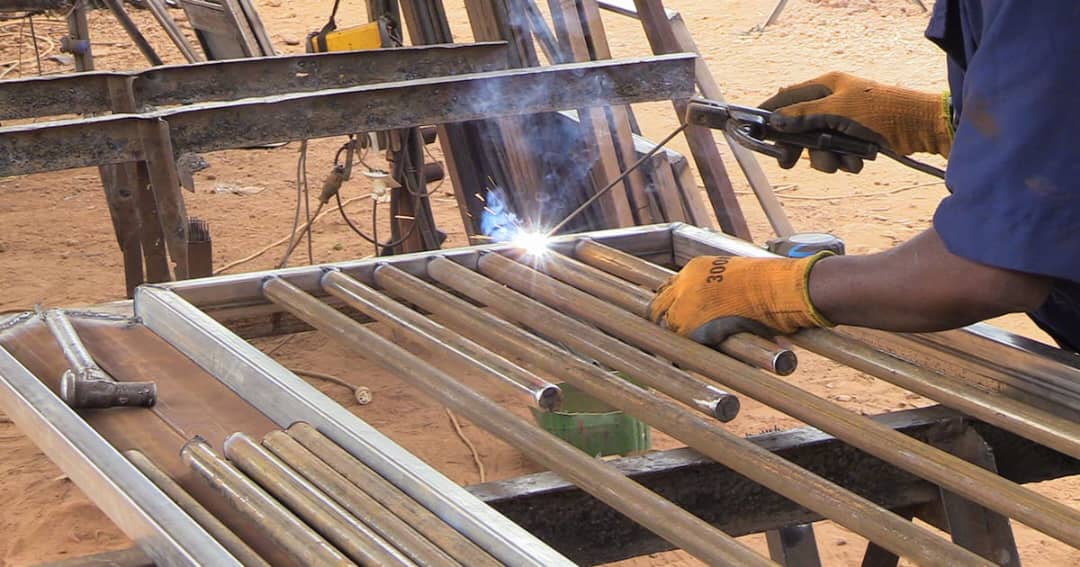
The appeal of metal furniture extends beyond mere aesthetics; it encompasses its perceived longevity and ease of maintenance, factors that resonate powerfully with consumers seeking practical and enduring household items. In a climate where humidity and pests can be concerns for wooden furniture, the resilience of metal offers a compelling advantage. As a result, workshops specializing in metal fabrication are experiencing increased activity, often operating at higher capacities to fulfill orders. Concurrently, stores are expanding their offerings to include a wider array of metal furniture designs, showcasing everything from intricate decorative pieces to strong, functional units. This evolution reflects a broader change in domestic furnishing trends within the city, where practical considerations and contemporary styles are becoming more prominent in purchasing decisions. Consumers are increasingly valuing materials that offer both a modern look and a long lifespan, making metal an ideal choice. The market response indicates a sustained interest in metal furniture, suggesting it is becoming a significant competitor to established wooden furniture makers, challenging long-held traditions in interior design and furnishing. This sustained growth points to a fundamental re-evaluation of material choices among Niamey's consumers.
Drivers of Metal Furniture Demand
The increasing demand for metal furniture in Niamey is primarily driven by several factors, including its perceived durability, modern aesthetic appeal, and cost-effectiveness. Consumers are increasingly prioritizing long-lasting household items that can withstand the local climate and daily use without significant degradation. Metal furniture, known for its inherent resilience to wear and tear, offers an attractive alternative to traditional wooden pieces, which can be susceptible to issues such as termite damage, warping due to moisture fluctuations, or general deterioration in humid conditions. This resistance to environmental factors is a key selling point, providing peace of mind to buyers seeking reliable investments for their homes. The strong nature of metal ensures that furniture retains its structural integrity and appearance over many years, reducing the need for frequent replacements or costly repairs.
The contemporary designs available in metal furniture also resonate with a growing segment of Niamey's population seeking modern and minimalist styles for their homes and offices. This aesthetic shift is particularly evident in urban areas, where residents are incorporating sleek, metallic elements into their interior decor to achieve a more sophisticated and up-to-date look. The clean lines and often industrial-chic appearance of metal furniture align perfectly with contemporary design sensibilities, moving away from more ornate or traditional wooden styles. The versatility of metal as a material allows for a wide range of designs, from intricately decorative pieces that serve as focal points to highly functional, space-saving solutions ideal for smaller urban dwellings. This adaptability caters to diverse consumer tastes and practical needs, ensuring that metal furniture can fit into various interior themes and spatial requirements.
Economic considerations play a significant role in this market shift, influencing purchasing decisions at multiple levels. While initial costs for some metal furniture items might be comparable to or even slightly higher than their wooden counterparts, the long-term value proposition of metal is often seen as superior due to its extended lifespan and lower maintenance requirements. This economic advantage appeals to budget-conscious buyers looking for investments that do not require frequent replacement or repair, ultimately saving money over the furniture's lifetime. The reduced need for treatments against pests or humidity also contributes to its cost-effectiveness.
The local availability of raw materials and the growth of skilled metalworking workshops in Niamey contribute significantly to the accessibility and affordability of these products. This localized production chain reduces reliance on expensive imports, making metal furniture more competitive in price. Artisans like Hamza Harouna Adamou are increasingly focusing on metal fabrication, adapting their skills and techniques to meet the evolving market preferences. Their expertise allows for the creation of high-quality, custom-made pieces that cater specifically to local demand. The ability of local manufacturers to produce a variety of metal furniture items, from sturdy beds and comfortable chairs to versatile tables and practical shelves, ensures a steady supply that can keep pace with rising demand. This localized production also helps to keep prices competitive by reducing import costs and supporting the local economy, creating a virtuous cycle of supply and demand that further propels the metal furniture market forward.
Client Perspectives and Choices
Clients in Niamey are increasingly weighing the benefits of metal furniture against traditional wooden options, with durability and modern aesthetics often cited as key decision factors influencing their purchases. The practical advantages of metal, such as its inherent resistance to termites and humidity, contribute significantly to its appeal in the local climate, where these environmental challenges can considerably shorten the lifespan of wooden items. This resilience ensures that metal furniture remains intact and functional for many years, offering a reliable solution for household furnishing. This shift is not solely driven by functionality; many consumers are also drawn to the contemporary designs and sleek finishes that metal furniture offers, aligning with evolving interior decor trends in urban areas. The ability to achieve a clean, modern look with metal pieces is a strong motivator for those looking to update their living spaces.
The long-term value proposition of metal furniture is a key consideration for many buyers, extending beyond the initial purchase price. While initial purchase prices can be comparable to or even slightly higher than wooden alternatives, the extended lifespan and reduced maintenance requirements of metal are perceived as offering better economic sense over time. This perspective is particularly important for families and individuals making significant household investments, as it implies fewer future expenses for repairs or replacements. This economic outlook resonates with individuals and families looking for household investments that minimize future repair or replacement costs, providing a sense of financial prudence. The availability of locally manufactured metal pieces, produced by skilled artisans like Hamza Harouna Adamou, further enhances their attractiveness by ensuring accessibility and competitive pricing within the market. These local producers often offer customizable options, allowing clients to tailor designs to their specific needs and preferences. This combination of practical benefits, aesthetic appeal, and perceived long-term value shapes client choices, contributing to the sustained growth in demand for metal furniture across Niamey, indicating a well-informed and strategic approach to furniture acquisition among consumers.
Market Outlook and Future
The growing preference for metal furniture in Niamey is expected to continue its upward trajectory, driven by its undeniable perceived durability and modern aesthetic. These foundational qualities position metal as a highly desirable material for contemporary living and working spaces. Local manufacturers, like the skilled artisan Hamza Harouna Adamou, are actively adapting to this escalating demand by expanding their production capabilities and diversifying their range of metal pieces. This responsiveness from local industry ensures that the market can adequately supply the increasing consumer interest. The market trend suggests a sustained shift away from traditional wooden furniture, influenced by critical factors such as metal's superior resistance to termites and humidity, which are significant considerations in the local climate and directly impact furniture longevity. This environmental suitability gives metal a distinct advantage over wood in the region.
The long-term value proposition of metal items, including their extended lifespan and significantly lower maintenance requirements, positions them as an increasingly attractive investment for consumers. This economic advantage, coupled with the ready availability of locally produced and competitively priced options, is anticipated to further solidify metal furniture's market share, potentially making it the dominant choice in various categories. The sector's growth is also strongly supported by evolving consumer tastes that increasingly favor contemporary designs and minimalist aesthetics, which metal furniture inherently embodies. As urban populations continue to grow and design preferences evolve, the demand for sleek, durable, and modern furnishings is only set to increase. This confluence of practical benefits, economic sense, and aesthetic appeal ensures a strong and expanding future for metal furniture in Niamey.