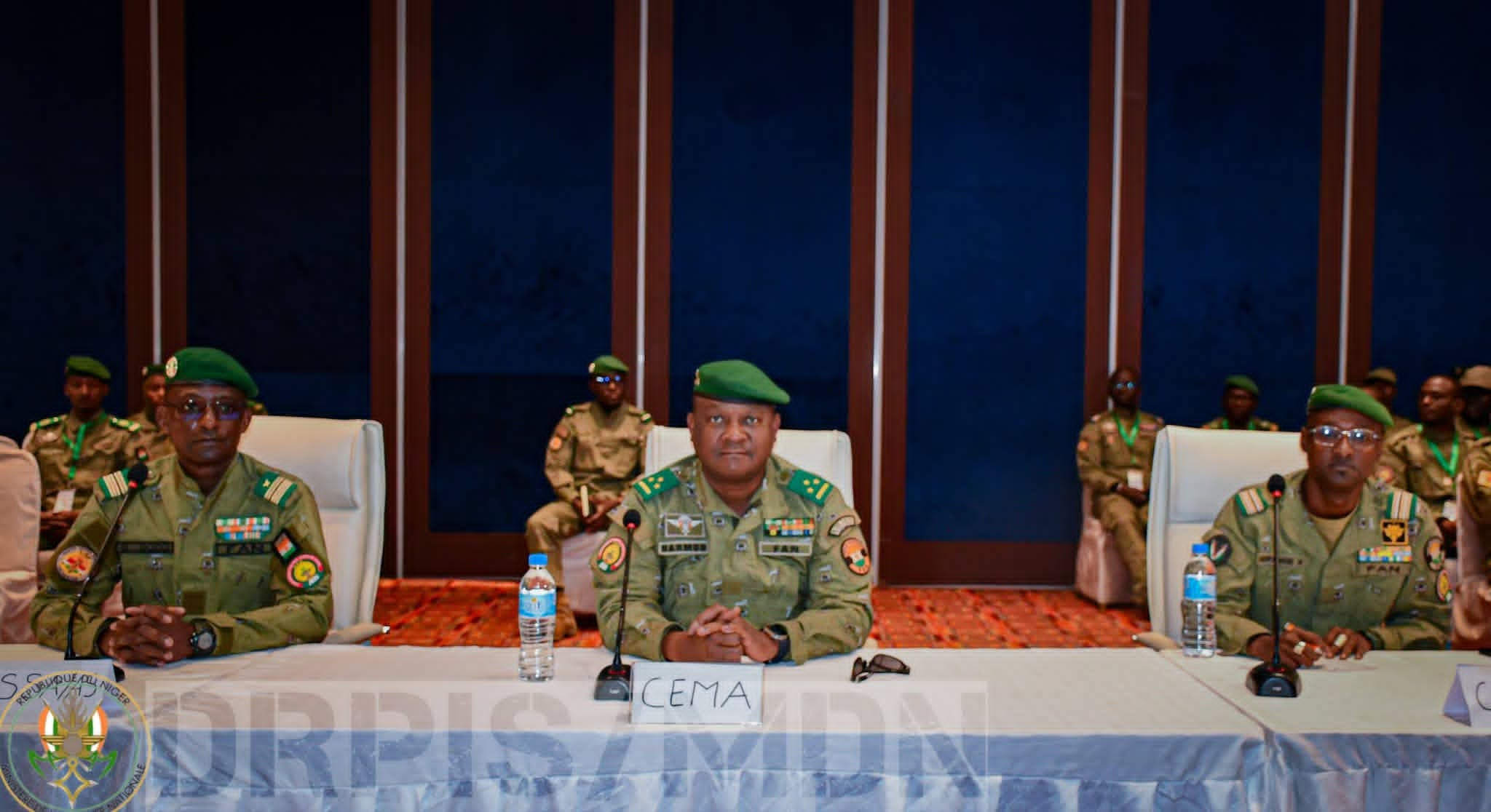
The 2nd Medical-Surgical Days concluded on Saturday, September 5, 2026, in Niamey. This significant event brought together medical professionals from various nations to discuss advancements and challenges in military medicine. The conclusion marked the end of three days of intensive deliberations and exchanges, fostering a collaborative environment for participants. The summit aimed to enhance cooperation and knowledge sharing among attendees, ultimately striving to improve healthcare provision within military contexts.
Key Challenges Discussed
The days were specifically dedicated to exploring the current issues affecting military medicine, providing a key platform for professionals to address contemporary challenges. During the summit, participants addressed more than 150 thematic topics. These diverse subjects were explored through scientific communications, experience exchanges, and in-depth discussions, facilitating a full review of the field. The wide range of subjects covered reflected the complex and evolving nature of medical support within military operations, encompassing everything from battlefield trauma care to long-term personnel well-being. These sessions allowed for a full review of existing practices and the identification of areas requiring further innovation and collaboration to meet the demands of modern military environments.
Strengthening Health Services
A central theme of the 2nd Medical-Surgical Days noted the necessity of strengthening the capacities of army health services. Discussions during the summit focused intently on enhancing the capabilities of medical personnel and infrastructure, recognizing these as critical pillars of effective military healthcare. This emphasis aims to ensure that military health services are strong, adaptable, and capable of responding to a wide spectrum of medical needs. The event also showed that the primary goal is to effectively meet the needs of personnel engaged in various theaters of operations, ensuring their health and readiness are prioritized. Participants explored strategies for improving medical support, from routine care to emergency interventions, across diverse operational environments, including remote and high-risk areas. Strengthening these services is considered key for maintaining the health and readiness of military forces, directly impacting their operational effectiveness and morale. This involves not only technological advancements but also continuous training and strategic resource allocation.
Event Details and Scope
The 2nd Medical-Surgical Days spanned three days in Niamey, Niger, providing ample time for in-depth engagement and networking. The event, which concluded on Saturday, September 5, 2026, served as a vital platform for military medical professionals to engage in scientific exchanges and discussions on a global scale. Its scope included a wide array of topics pertinent to military health services, ranging from innovative surgical techniques to psychological support for service members. Delegates from various countries participated, contributing their diverse perspectives and experiences to the dialogue on enhancing medical capabilities within defense establishments. The summit aimed to foster greater collaboration and share best practices among attendees, promoting a unified approach to improving military healthcare worldwide. The structured sessions and informal interactions allowed for a rich exchange of ideas, paving the way for future cooperative initiatives.
Future Imperatives
The 2nd Medical-Surgical Days in Niamey noted the challenges confronting military medicine within a particularly demanding security context, an issue that resonated throughout the proceedings. Discussions throughout the summit focused on the complexities of providing medical support in environments characterized by heightened security risks and operational pressures, such as conflict zones and humanitarian crises. Participants examined the unique difficulties faced by healthcare professionals serving in such settings, including resource constraints, logistical hurdles in delivering care, and the critical need for specialized trauma care. The event showed the imperative for military health services to adapt and innovate to meet these evolving demands effectively, emphasizing the need for flexibility and resilience. Addressing these challenges is considered key for ensuring the well-being of military personnel and the effectiveness of medical operations in high-risk zones, ultimately contributing to mission success and the preservation of life. The insights gained are expected to inform future policy and operational strategies in military healthcare.