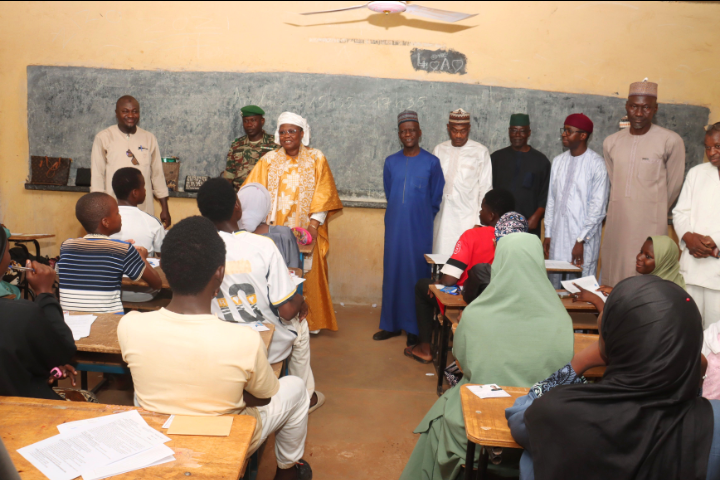
The Minister of National Education, Dr. Elisabeth Shérif, visited several BEPC exam centers in Niamey on the afternoon of Friday, June 26, 2026. The purpose of her visit was to monitor the progress of the examinations in the capital. This oversight aimed to ensure the smooth conduct of the standardized tests across various locations. The Brevet d’Etude du Premier Cycle (BEPC) examinations represent a critical stage in the academic journey of students, making the Minister's direct involvement in the monitoring process particularly significant. Her presence showed the government's commitment to maintaining the integrity and fairness of the assessment system.
Exam Center Observations
The purpose of the visit by Dr. Elisabeth Shérif, the Minister of National Education, was to check on the progress of the Brevet d’Etude du Premier Cycle (BEPC) exams. This monitoring tour aimed to ensure the examinations were proceeding smoothly across the various centers in Niamey. During her visit, Dr. Shérif observed the conditions under which the students were taking their tests and interacted with examination officials to assess the organizational aspects. The Minister's observations focused on verifying that all established protocols for the conduct of national examinations were being rigorously followed. This included checking for proper invigilation, adherence to time schedules, and the provision of necessary materials for candidates.
The full nature of the BEPC exams necessitates a strong oversight mechanism. Dr. Shérif's tour of multiple centers allowed for a direct assessment of the implementation of these measures on the ground. Such visits are key in identifying any potential issues early and ensuring that corrective actions can be taken promptly, thereby safeguarding the equity and validity of the examination results. The direct engagement of the Minister of National Education in this process notes the importance placed on these examinations by the educational authorities. The article reporting on these observations has drew 4 views since its publication, indicating public interest in the ministerial oversight of these key academic assessments.
Context of BEPC Exams
The article covering the ministerial visit and the BEPC exams is approximately 2 minutes long to read. The Brevet d’Etude du Premier Cycle (BEPC) exams are a key national assessment for students completing their first cycle of secondary education. Successful completion of these examinations is a prerequisite for advancing to the second cycle of secondary education, which ultimately leads to higher education or vocational training. The smooth and fair conduct of these exams is therefore critical to ensuring equitable opportunities for all students across the nation.
The government's emphasis on monitoring these exams reflects a broader commitment to educational quality and accountability. By personally overseeing the process, Dr. Elisabeth Shérif aimed to instill confidence in the examination system among students, parents, and educators alike. The standardized nature of the BEPC tests means that consistent application of rules and procedures across all centers is essential to ensure comparability and fairness of results. The Minister's visit served as a visible demonstration of this commitment, reinforcing the seriousness with which these national evaluations are treated.
Article Publication Details
The article detailing Minister Shérif's visit to BEPC exam centers in Niamey was published on June 26, 2026. The report provides an overview of the monitoring activities undertaken by Dr. Elisabeth Shérif, the Minister of National Education, to ensure the proper conduct of the examinations. The publication coincided with the period of the BEPC exams, offering timely information on the oversight efforts in the capital. The piece focuses on the ministerial observations regarding the examination process, providing readers with insights into the efforts made to maintain the integrity of the national assessment. The timing of the publication on the same day as the visit allowed for immediate dissemination of information regarding the Minister's activities and the status of the ongoing examinations. This timely reporting ensures that the public is kept informed about key educational initiatives and oversight measures. The article, which is approximately 2 minutes long to read, offers a concise yet informative summary of the visit and its implications for the examination process.