Médecins Sans Frontières (MSF) is preparing for an anticipated surge in malaria cases in Niger, particularly in the Dan Issa area of the Madarounfa department, where the rainy season routinely brings a severe threat of the disease in children. This annual period, marked by increased rainfall, leads to a proliferation of mosquito breeding sites, directly contributing to a rise in malaria incidence. The 'Unité Palu', a specialized malaria unit supported by MSF, operates specifically during the high transmission period, which typically spans from August to November. This key annual effort aims to bolster healthcare capacity in the region, ensuring that essential medical services are available to those most affected by the seasonal increase in disease prevalence. The proactive measures taken by MSF are vital in a region where healthcare infrastructure can be strained by the predictable, yet challenging, seasonal disease patterns.
Unit's Critical Role and Performance
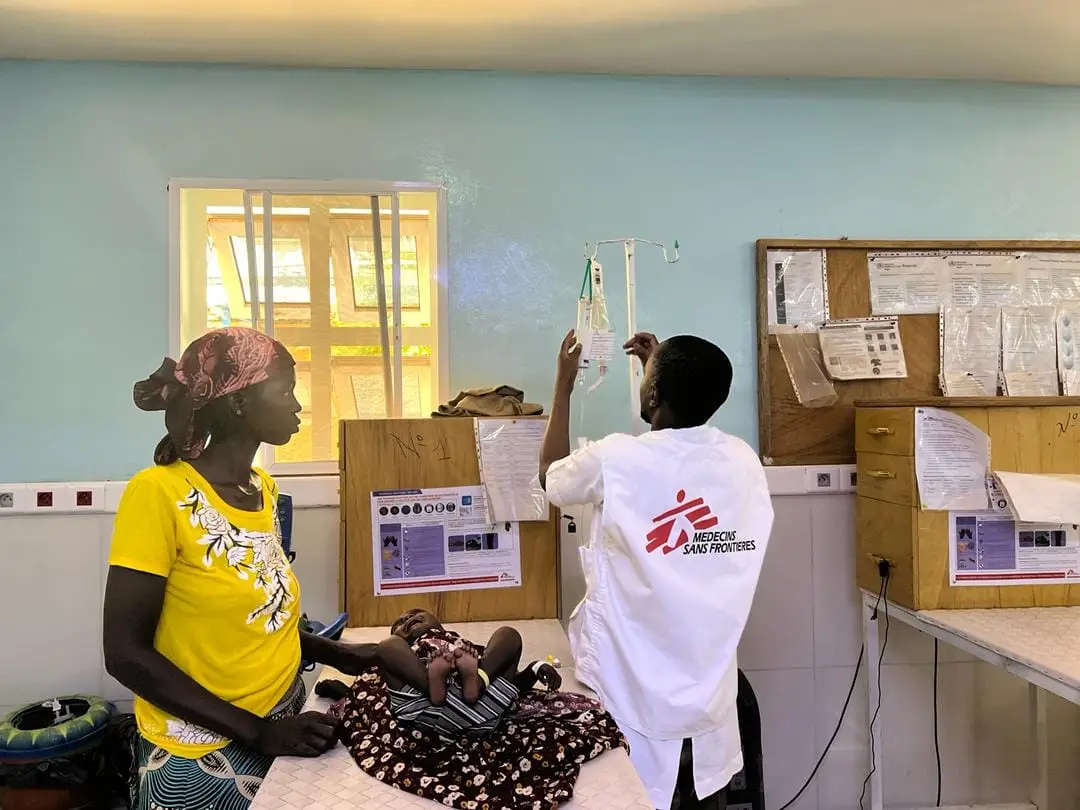
The 'Unité Palu' in Dan Issa plays a critical role in managing the acute phase of malaria, particularly among young children. In 2025, the unit handled a significant patient load, admitting 4,713 urgent patients who required immediate and intensive medical care. Despite the severity of the cases presented, the unit recorded a mortality rate of 2.6% for these urgent admissions, reflecting the dedicated efforts of the medical teams. The complexity of the cases often necessitates advanced interventions; medical staff at the facility performed a substantial number of procedures, including 1,575 transfusions during the same year, noting the prevalence of severe malaria complications such as anemia. Dan Issa's strategic location near Nigeria contributes significantly to its patient demographic, with families from both Niger and neighboring Nigeria seeking care at the unit, showing its regional importance as a healthcare hub for severe malaria treatment. This cross-border patient flow further emphasizes the broad impact of the unit's services.
Broader Health Challenges in Niger
Niger faces significant health challenges that extend far beyond the immediate threat of malaria, particularly regarding child malnutrition. These interconnected health crises often exacerbate each other, creating a complex humanitarian landscape. UNICEF estimates, based on the 2025 SMART survey, that global acute malnutrition affects a concerning 11.1% of children in the country. This prevalence notes a persistent and widespread issue impacting the health, development, and overall well-being of young populations across Niger. The underlying causes of malnutrition are multifaceted, often linked to food insecurity, inadequate access to clean water and sanitation, and limited healthcare access, all of which are compounded by seasonal disease outbreaks like malaria.
Projections indicate that the situation regarding child malnutrition may worsen in the near future. Forecasts suggest that over 400,000 children could potentially suffer from severe emaciation in 2026. This potential rise in severe malnutrition cases shows the complex and interconnected health crises in Niger, requiring sustained humanitarian and medical interventions alongside specific disease management efforts. The vulnerability of children, particularly those under five, to both malaria and malnutrition creates a vicious cycle where each condition weakens the child's ability to fight off the other, leading to higher morbidity and mortality rates.
Local and International Perspectives
Médecins Sans Frontières (MSF), in support of the Nigerien health system, has established a specialized pediatric unit designed specifically for severe malaria cases affecting children aged 1 to 59 months. This age group is particularly susceptible to the most severe forms of the disease and its complications. The unit's capacity has significantly expanded since its inception, demonstrating a strong response to the escalating health needs. From its creation in 2009 with 20 beds, the unit has grown to accommodate 120 beds in 2026. This substantial increase reflects an ongoing effort to manage the high prevalence of the disease and to provide life-saving care to a greater number of children.
The challenges in Niger are further complicated by the observed dynamic where malaria and malnutrition are observed to mutually reinforce each other. This devastating synergy particularly impacts the most vulnerable children in the region, making them more susceptible to both conditions and increasing the severity of outcomes. A child suffering from malnutrition has a weakened immune system, making them more prone to contracting malaria and experiencing more severe symptoms. Conversely, a child with malaria may lose appetite and absorb fewer nutrients, worsening their nutritional status. MSF's integrated approach, addressing both malaria treatment and nutritional support, is therefore key in breaking this cycle and improving child survival rates in Niger.