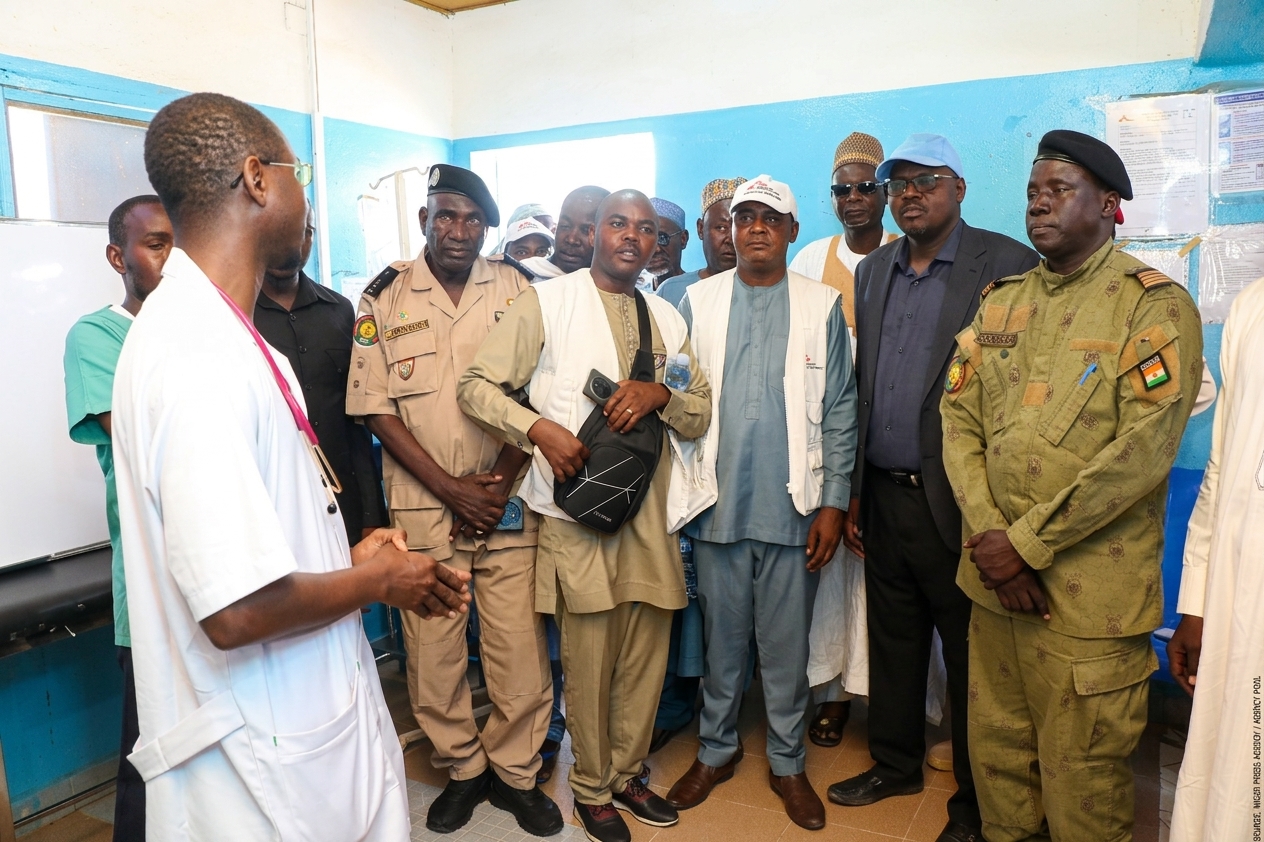
Médecins Sans Frontière (MSF) has established a new pediatric unit, named 'Unité Palu,' at the integrated health center in Dan Issa. This significant initiative marks a concerted effort by the international medical humanitarian organization to provide targeted healthcare. The unit was set up specifically to address a surge in malaria cases among children, a recurring public health challenge in the region. The opening of this specialized facility in Dan Issa aims to provide critical medical care during a period of heightened need, ensuring that the most vulnerable populations receive timely and appropriate treatment. This development was reported on August 25, 2026, noting MSF's ongoing commitment to health interventions in areas affected by seasonal disease outbreaks.
Unit Details and Purpose
The 'Unité Palu' is a seasonal hospitalization unit established to operate specifically during the peak malaria period in Dan Issa. Its design and operational schedule are carefully planned to align with the epidemiological patterns of the disease in the area. It is specifically designed to treat children aged 1 to 59 months who present with severe malaria, focusing on this particularly vulnerable age group where the disease can have the most devastating effects. The unit typically opens its doors from August to November each year, aligning precisely with the seasonal surge in malaria cases observed in the region. This focused approach allows Médecins Sans Frontière to concentrate resources and provide specialized care when the need is greatest for these young patients. The seasonal operation ensures that essential medical support is readily available during these critical months, directly addressing the high incidence of the disease among young children in Dan Issa and working to reduce morbidity and mortality.
Community and Official Support
The opening ceremony for the 'Unité Palu' pediatric unit saw significant attendance from local and regional officials, showing broad support for the initiative from various levels of administration and community leadership. Among those present were the Prefect of the Madarounfa Department, a key regional administrative figure, and the Administrator Delegate of Dan Issa, representing local governance. Also in attendance was the Chief Medical Officer of the Health District, whose presence noted the integration of this new unit within the broader public health strategy. The event also included representatives of traditional and customary authorities, signifying deep community endorsement and acceptance of MSF's efforts to combat malaria in the region. Their collective presence at the inauguration noted the collaborative approach taken to address the significant public health challenge posed by seasonal malaria surges among young children in Dan Issa, demonstrating a united front against the disease.
Addressing Local Health Needs
The 'Unité Palu' facility is specifically designed to alleviate pressure on existing medical infrastructure within the region. Its establishment aims to decongest the pediatrics department of the Madarounfa District, which often faces overwhelming demand during the malaria season. This objective is a key strategic goal for Médecins Sans Frontière, as it directly contributes to the resilience and functionality of the local healthcare system. This strategic intervention ensures that resources are efficiently allocated to manage the seasonal influx of severe malaria cases in young children, preventing the overwhelming of local healthcare services that could otherwise occur. By providing a dedicated space and specialized care for this vulnerable population, the unit supports the broader health system in the Madarounfa region during critical periods of disease transmission. This approach helps maintain the capacity of the district's main pediatric department for other medical emergencies and routine care, ensuring that all children in the district continue to receive necessary medical attention without undue delays. The unit thus serves as a vital component in the regional health response to malaria.