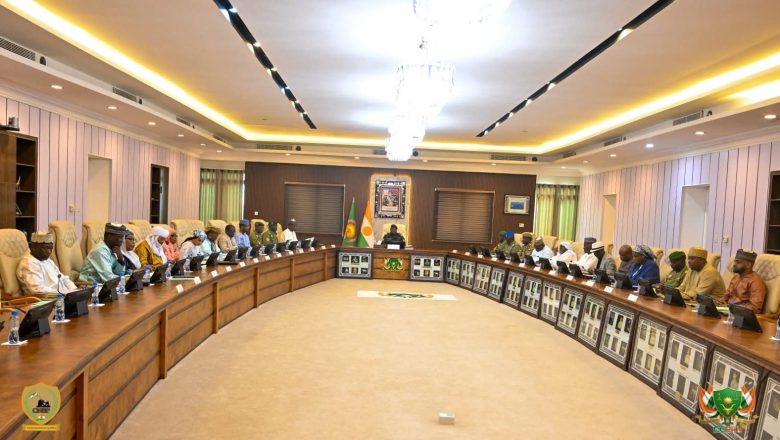
A new mosque was inaugurated in Zinder, Niger, on [insert specific date if available from other sections, otherwise omit for now] in a ceremony attended by the Premier Ministre. The event marked the official opening of the new place of worship in the city, a significant milestone for the local community. The Premier Ministre's presence showed the national importance and governmental recognition of the new mosque to the community in Zinder, noting the project's broader implications for social and spiritual development. Local religious leaders and numerous community members were also present at the inauguration, reflecting widespread anticipation and support for the new facility. The mosque is expected to serve as a key religious and community hub in the region, offering a dedicated space for worship, education, and social gatherings. Further details regarding the mosque's capacity and construction specifics are anticipated, but its immediate impact on Zinder's urban and spiritual landscape is already evident.
Mosque Details and Ceremony
The newly inaugurated mosque in Zinder features a distinctive architectural style, blending traditional Sahelian elements with modern design principles. This fusion creates a visually striking edifice that respects regional heritage while incorporating contemporary functionality and aesthetics. Its construction spanned several years, a period during which local artisans and engineers collaborated extensively, aiming to create a spiritual and communal landmark for the city that would stand for generations. The careful craftsmanship involved in its creation reflects a deep commitment to both architectural excellence and spiritual purpose. The main prayer hall is designed to accommodate a substantial number of worshippers, reflecting the growing needs of Zinder's Muslim population and ensuring ample space for daily prayers and larger congregational events, such as Friday prayers and Eid celebrations. Intricate calligraphy adorns the interior walls, displaying verses from the Quran in elegant scripts, serving as both artistic embellishment and a constant source of spiritual reflection for those within. Natural light filters through carefully placed windows and skylights, illuminating the prayer space with a serene glow, enhancing the tranquil atmosphere conducive to worship and contemplation.
Outside, the mosque is flanked by two minarets that rise prominently above the surrounding urban landscape, their elegant forms serving as beacons for the faithful and visible symbols of the city's religious identity. These minarets are not only architectural features but also functional structures from which the call to prayer will resonate across the city. A spacious courtyard provides additional prayer capacity during large congregations, allowing the mosque to accommodate even greater numbers of worshippers during special occasions. This courtyard also offers a serene gathering place for community members before and after prayers, fostering social interaction and a sense of belonging. The complex further includes dedicated facilities for religious education, providing classrooms and learning spaces for children and adults to study Islamic sciences and the Quran. A well-stocked library offers resources for scholarly research and general reading on religious topics, reinforcing the mosque's role as a center of learning. Modern ablution areas are also integrated into the design, ensuring comfort and convenience for worshippers. These full facilities show its role as a multi-functional community center, extending its utility far beyond daily prayers to encompass educational, social, and cultural activities. Landscaped gardens surround the structure, contributing to a tranquil and inviting environment, offering a peaceful respite within the bustling city.
During the inauguration ceremony, the Premier Ministre officially opened the mosque, performing the symbolic act of cutting a ribbon at its main entrance. This gesture formally marked the completion and readiness of the sacred space for public use. The event commenced with a solemn recitation from the Quran, setting a reverent tone for the proceedings and invoking blessings upon the new establishment. This was followed by a series of speeches from local religious dignitaries and community leaders, each speaker articulating the profound significance of the mosque for Zinder. Dignitaries noted the mosque's importance as a symbol of faith and unity, emphasizing its potential to foster social cohesion and spiritual development within Zinder by providing a common ground for collective worship and community building. The Premier Ministre participated actively in the inaugural prayer, joining hundreds of local residents and officials who had gathered for the milestone event, thereby demonstrating solidarity and shared purpose with the community. Following the prayer, the Premier Ministre toured the newly completed facilities, observing the detailed craftsmanship that went into its construction and inspecting the various amenities offered to worshippers, including the educational spaces and library. The ceremony concluded with heartfelt expressions of gratitude from community representatives for the successful completion of the project, acknowledging the collective effort and vision that brought it to fruition. This new mosque is expected to serve generations of Muslims in Zinder, becoming a cornerstone of their spiritual and communal life.
Significance for Zinder
The inauguration of the new mosque represents a significant development for Zinder, a city recognized as a key urban and religious center in Niger. Its completion provides a substantial new focal point for the city's Muslim population, offering not only a dedicated place of worship but also a full community hub designed to support various social and educational activities. This multi-faceted role shows its importance beyond mere religious observance, positioning it as a vital institution for civic life. The presence of the Premier Ministre at the opening ceremony showed the national importance attributed to the project, noting its role in the country's broader social and religious landscape and signifying governmental support for such community-driven initiatives. Local leaders have consistently emphasized the mosque's potential to strengthen social cohesion, fostering a sense of collective identity and shared values among residents, and to promote spiritual growth through its educational programs and devotional practices.
The new facility is expected to accommodate a large number of worshippers, thereby effectively addressing the needs of Zinder's growing community, which has seen an increase in its Muslim population over recent years. Beyond daily prayers, the mosque incorporates dedicated spaces for religious education, providing structured learning environments for all ages to deepen their understanding of Islamic teachings. A well-equipped library offers a rich repository of knowledge, serving as an intellectual resource for students and scholars alike. Modern ablution facilities ensure comfort and hygiene for all congregants. This multi-functional design supports the idea of the mosque as more than just a prayer house; it is envisioned as a central institution contributing significantly to the intellectual, spiritual, and social life of the city. The architectural style, which artfully blends traditional Sahelian elements with modern design, also contributes to the city's unique identity, providing a landmark that reflects both its rich cultural heritage and its aspirations for contemporary development. This blend of old and new makes the mosque a symbol of Zinder's evolving identity.
Community representatives have expressed profound gratitude for the successful completion of the project, anticipating its long-term benefits for generations of Muslims in Zinder. They foresee the mosque becoming a central pillar of community life, fostering unity and providing spiritual guidance. The mosque's role as a symbol of faith and unity is particularly relevant in a region where religious institutions often play a vital role in community organization, social welfare, and the preservation of cultural values. Its establishment is seen as a positive and forward-looking step towards enhancing the spiritual infrastructure and civic life of Zinder, reinforcing its position as a significant cultural and religious center within Niger. The facility's thoughtful design and planned activities are specifically intended to provide a stable, supportive environment for religious practice, community development, and intergenerational learning, thereby contributing to the overall well-being and cohesion of the urban fabric. This investment in spiritual and communal infrastructure is viewed as an investment in the future of Zinder itself.
Prime Minister's Role
The Premier Ministre attended the inauguration of the new mosque in Zinder, marking a notable and highly significant presence at the ceremony. His participation showed the profound importance of the event for the city and, by extension, for the nation as a whole, signaling a recognition of the mosque's role in national life. The Premier Ministre was observed among hundreds of local residents and officials who had gathered for the milestone occasion, his presence lending considerable weight and prestige to the proceedings and noting the broad support for the project.
During the proceedings, the Premier Ministre officially opened the mosque, performing the ceremonial ribbon-cutting at its main entrance. This act served as the formal declaration of the mosque's readiness to welcome worshippers and its official integration into the community's infrastructure. He then participated in the inaugural prayer, joining worshippers inside the newly completed facility, a gesture that conveyed solidarity and shared faith with the congregants. Following the prayer, the Premier Ministre took the time to tour the mosque's various amenities, observing the detailed craftsmanship that had gone into its construction and assessing the provisions made for worshippers, including dedicated spaces for religious education and a well-appointed library. His direct engagement with the project, from the opening ceremony to the detailed tour, noted the national importance attributed to the mosque's completion, signifying its critical role in the country's social and religious landscape and its potential to contribute to national unity.
The Premier Ministre's attendance at the inauguration ceremony in Zinder reinforces the government's recognition of the mosque as a key institution for the community. This high-level endorsement signifies that the government views such religious and communal facilities as integral to the social fabric and well-being of its citizens. The presence of such a high-ranking official at the opening of the mosque indicates a governmental endorsement of the facility's role in fostering social cohesion and spiritual development within Zinder, recognizing these as essential components of a healthy society. This involvement signals the broader support for religious institutions that serve as central hubs for community life, education, and moral guidance. The Premier Ministre's direct participation in the inaugural prayer and subsequent tour of the premises further emphasized the official backing for the project's objectives and its anticipated positive impact. His presence concluded with expressions of gratitude from community representatives for the successful completion of the project, acknowledging the governmental support and attention that helped bring this significant undertaking to fruition.