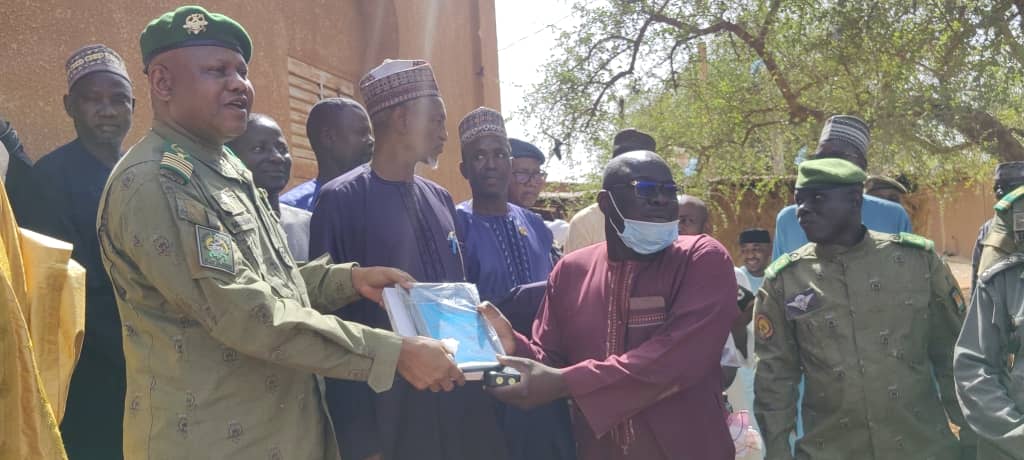
The travaux des états généraux des travaux publics (general states of public works) concluded on Friday, May 8, at the Centre international de Mahatma Ghandi in Niamey. This significant summit brought together a diverse range of stakeholders, including government officials, technical experts, and industry representatives, to thoroughly discuss and formulate key recommendations for the future of public works infrastructure. The gathering aimed to address long-standing challenges and chart a new strategic direction for the sector.
Historic Sector Review
Participants at the Niamey summit conducted a full diagnosis of the public works sector, a critical undertaking given the extended period since a similar review. This in-depth analysis involved a careful examination of current challenges, operational frameworks, and the state of existing infrastructure across the nation. The diagnostic phase was key for identifying specific areas requiring immediate reform and strategic investment, providing a clear picture of the sector's strengths and weaknesses. Following this exhaustive assessment, attendees collaboratively proposed a series of actionable recommendations. These proposals are specifically aimed at improving efficiency, enhancing sustainability, and fostering strong development within the public works sector, ensuring that future projects are both impactful and enduring.
Ministerial Address and Vision
The Minister of Equipment and Infrastructure, Colonel Major Salissou Mahamane Salissou, presided over the closing ceremony of the summit, showing the government's commitment to the initiative. Colonel Major Salissou Mahamane Salissou expressed his profound satisfaction with the conclusion of the works and particularly lauded the pertinent recommendations formulated during the rigorous proceedings. He emphasized the profound significance of the event, stating, "this exercise, the first in over three decades, marks our will to build infrastructures that are no longer just roads but true pillars of our national sovereignty." The Minister's address outlined a forward-looking vision for public works, stressing their indispensable role in national development, economic growth, and fostering greater self-reliance for the nation. He noted the importance of investing in resilient and modern infrastructure to support the country's long-term aspirations.
Key Recommendations for Future
Among the key outcomes, the summit's recommendations encompassed an institutional reform of the commission responsible for overseeing public works. This key proposal aims to fundamentally restructure the existing framework governing public works, with the primary goal of enhancing both efficiency and accountability across all operational levels. The suggested reforms are specifically intended to streamline administrative operations, improve oversight mechanisms within the sector, and proactively address identified systemic challenges that have hindered progress in the past. Participants focused intently on creating a more strong, transparent, and responsive administrative body, one capable of effectively supporting and managing future infrastructure development projects. This reform is widely considered a foundational and indispensable step toward implementing the broader changes and strategic objectives discussed and agreed upon at the Niamey gathering.
Context and Significance
The Niamey public works summit represents the first such full exercise in over three decades, noting a significant and long-awaited renewal of focus on this vital sector. This extended period since the last similar review shows the profound importance of the current diagnostic and the resulting recommendations for the future of public works in the region. The long interval serves to emphasize the urgency and critical nature of the current initiative, marking a renewed commitment to infrastructure development and rigorous oversight. The summit's proceedings are therefore viewed as a critical juncture for re-evaluating existing strategies, implementing necessary reforms, and setting a new, ambitious course for national infrastructure projects that will serve the country for generations to come. The outcomes are expected to inform policy and investment decisions for years ahead.