Niamey experienced its first heavy rains, resulting in fatalities and significant damage, according to reports. The rainfall, marking the initial heavy downpour of the season in Niger's capital, led to the tragic deaths of seven people. Additionally, the intense downpour caused the loss of 62 heads of livestock, a considerable blow to the livelihoods of local residents and the agricultural sector within the city's environs. The sudden and severe nature of the weather event caught many off guard, noting the vulnerabilities of urban infrastructure and communities to extreme precipitation. These initial impacts show the urgent need for full assessments and response mechanisms.
Official Damage Assessment
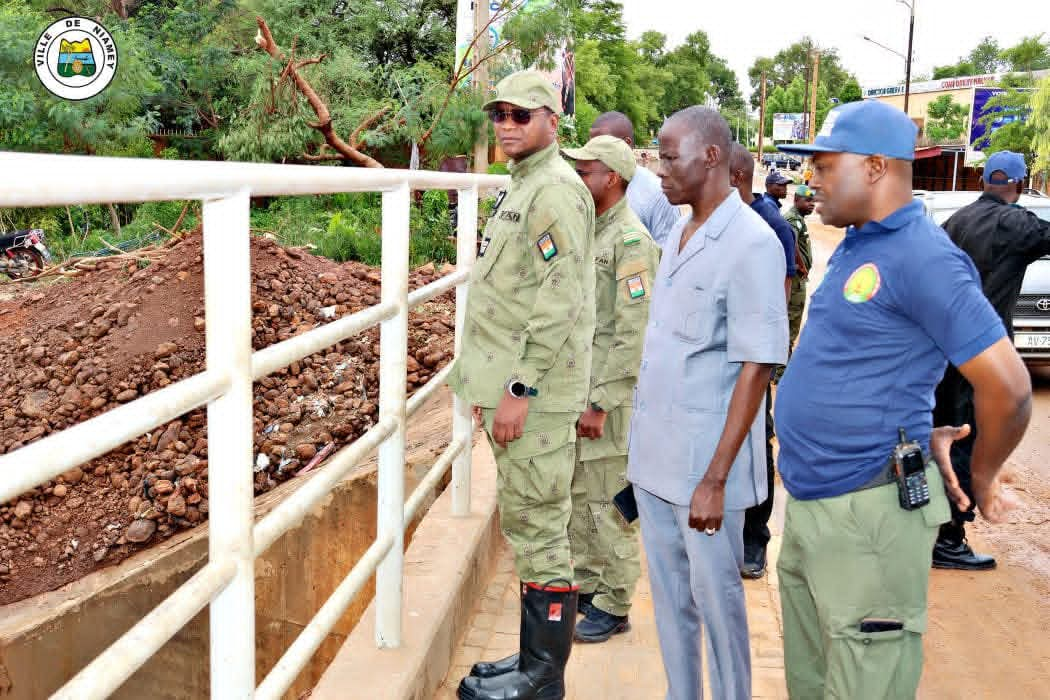
The Administrator Delegate of the City of Niamey, Colonel Boubacar SOUMANA GARANKÉ, conducted a critical field visit on Saturday, June 13, 2026, to personally assess the extent of the damage caused by the recent heavy rains. His full inspection covered numerous affected areas within the capital, providing a direct view of the destruction. The assessment revealed a grim picture: in addition to the reported fatalities, a substantial number, specifically 29 people, sustained various injuries due to the downpour's force and its immediate aftermath. These injuries ranged in severity, requiring immediate medical attention for those affected. Colonel GARANKÉ's visit was a key part of the official response, designed to gauge the immediate impact on both physical infrastructure and the well-being of residents. The findings from this detailed on-site evaluation are expected to inform subsequent relief efforts and targeted interventions by municipal authorities, ensuring a coordinated response following this initial significant rain event in Niamey. The data gathered during this assessment will be vital for planning both short-term recovery and long-term resilience strategies.
Call for Collective Responsibility
The Administrator Delegate of the City of Niamey, Colonel Boubacar SOUMANA GARANKÉ, stated that his visit was specifically intended to assess the full effects of the recent heavy rainfall across the city. This thorough assessment aimed to identify critical points within the capital where damage was most severe or where vulnerabilities were exposed. A key objective was to meticulously analyze the functionality of the existing sanitation and rainwater evacuation systems, which proved insufficient in handling the volume of water. This analysis, according to municipal officials, is key for understanding systemic weaknesses. The overarching objective was to understand the immediate impact on the urban environment and gather essential information for future mitigation efforts, ensuring that lessons learned from this incident can be applied effectively.
City authorities affirmed their unwavering commitment to public safety following the initial downpour, recognizing the distress and disruption caused. The City of Niamey remains fully mobilized to ensure the safety of its residents and to actively work towards improving living conditions, particularly in areas prone to flooding, a spokesperson for the administration said. This mobilization involves ongoing efforts to address the immediate aftermath of the rains, including clearing debris and restoring essential services, and to proactively prepare for potential future weather events. The administration is focused on both immediate relief and strategic planning to bolster the city's resilience against similar natural phenomena.
City's Commitment and Public Warning
The prevention of floods and the preservation of the environment are not solely governmental responsibilities but represent a collective duty that requires the active participation of all citizens, according to city officials. This statement shows the municipal administration's perspective on shared accountability for disaster preparedness and environmental management in the capital. The authorities emphatically emphasize that addressing these complex challenges effectively requires broad participation from all segments of society, extending beyond solely governmental action. This approach aims to foster a broader commitment to sustainable practices that can significantly mitigate the impact of future heavy rainfall events, such as proper waste disposal to prevent blocked drainage systems and adherence to urban planning regulations. The city's communication notes the critical need for public cooperation in maintaining vital infrastructure and respecting environmental regulations to enhance overall urban resilience and protect lives and property from the dangers of flooding.