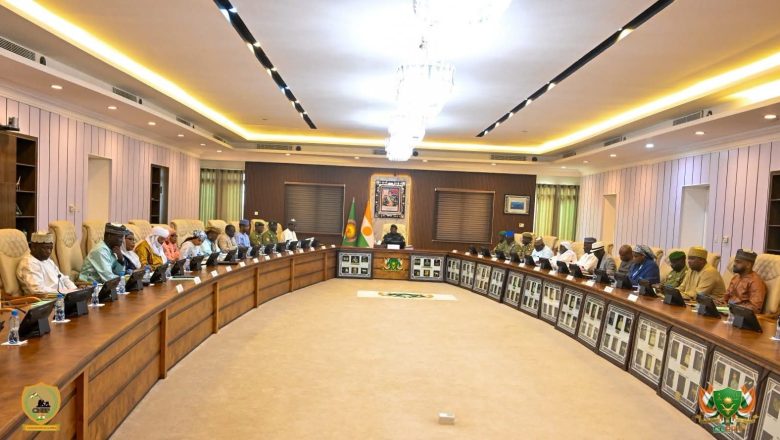
Niamey's Minister of Hydraulics conducted visits to multiple water treatment facilities in the capital on September 10, assessing infrastructure amid growing concerns over the city's water supply. The visits aimed to review the operational status and capacity of installations key for meeting the demands of Niamey's rapidly expanding population. This ministerial assessment noted the critical importance of these facilities in the urban water network. The Minister's inspection showed the ongoing challenges in ensuring adequate water provision as the urban area experiences significant demographic growth, placing increased strain on existing systems. This full review of critical infrastructure comes as the city grapples with the long-term implications of rising demand on its water resources, necessitating immediate and sustained attention to infrastructure development and maintenance.
National Water Resource Pressure
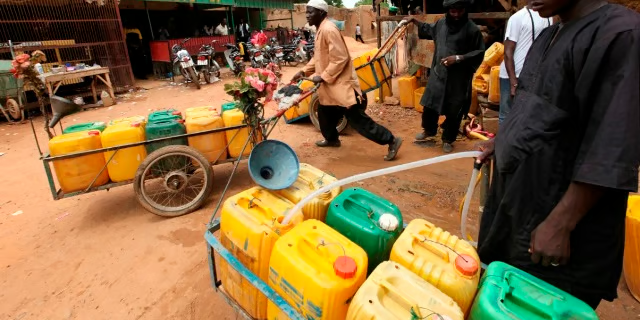
Nationally, the pressure on water resources across Niger is significant. The country faces persistent challenges in ensuring consistent access to potable water, particularly for populations affected by various crises such as displacement and food insecurity. These widespread issues exacerbate the strain on already limited water infrastructure. During the first semester, UNICEF contributed to providing sufficient potable water to 55,927 people in these affected communities, a key intervention in areas where conventional supply chains are disrupted. This effort notes the ongoing need for international and local interventions to address the widespread water scarcity issues beyond the capital, Niamey, extending to vulnerable rural and peri-urban areas. The broader national context reflects a persistent demand that strains existing water infrastructure and supply mechanisms, making sustainable water management a national priority.
Urgent Need for Future Planning
Niamey's water supply system requires planning not for its current state, but for its future condition over the next ten to twenty years. This forward-looking approach is deemed essential to accommodate the city's rapid expansion and prevent further strain on water resources. Current projections indicate substantial urban growth, making proactive infrastructure development imperative. The existing infrastructure struggles to meet present demand, necessitating strategic development to ensure long-term potable water access for residents. Officials are focusing on projections that account for significant demographic shifts and urban growth patterns, including the expansion of residential and commercial zones. Addressing future needs proactively aims to mitigate the challenges of water scarcity before they become more acute, ensuring that the city's water supply can keep pace with its development.
Humanitarian Water Provision Efforts
UNICEF projects that more than one million people will require access to water in 2026 within the humanitarian context. This estimate shows the growing scale of the challenge in ensuring potable water supplies for vulnerable populations, including those displaced by conflict or natural disasters. The organization's forward-looking assessment notes anticipated demands, indicating a significant need for sustained and expanded water provision efforts in the coming years. This projection informs planning for humanitarian responses designed to address the increasing water scarcity faced by communities, emphasizing the necessity of coordinated international aid. The figure reflects the ongoing pressure on resources and the necessity for continued intervention to meet basic needs, particularly for those who lack alternative means of accessing safe drinking water.
Ministerial Assessment of Facilities
Niamey's Minister of Hydraulics conducted visits to multiple water treatment facilities in the capital on September 10, assessing infrastructure amid growing concerns over the city's water supply. The visits aimed to review the operational status and capacity of installations key for meeting the demands of Niamey's rapidly expanding population. This direct oversight by the Minister underlines the government's commitment to tackling the water crisis. The Minister's inspection showed the ongoing challenges in ensuring adequate water provision as the urban area experiences significant demographic growth, placing increased strain on existing systems. This review of critical infrastructure comes as the city grapples with the long-term implications of rising demand on its water resources, signaling a pressing need for investment and strategic upgrades.