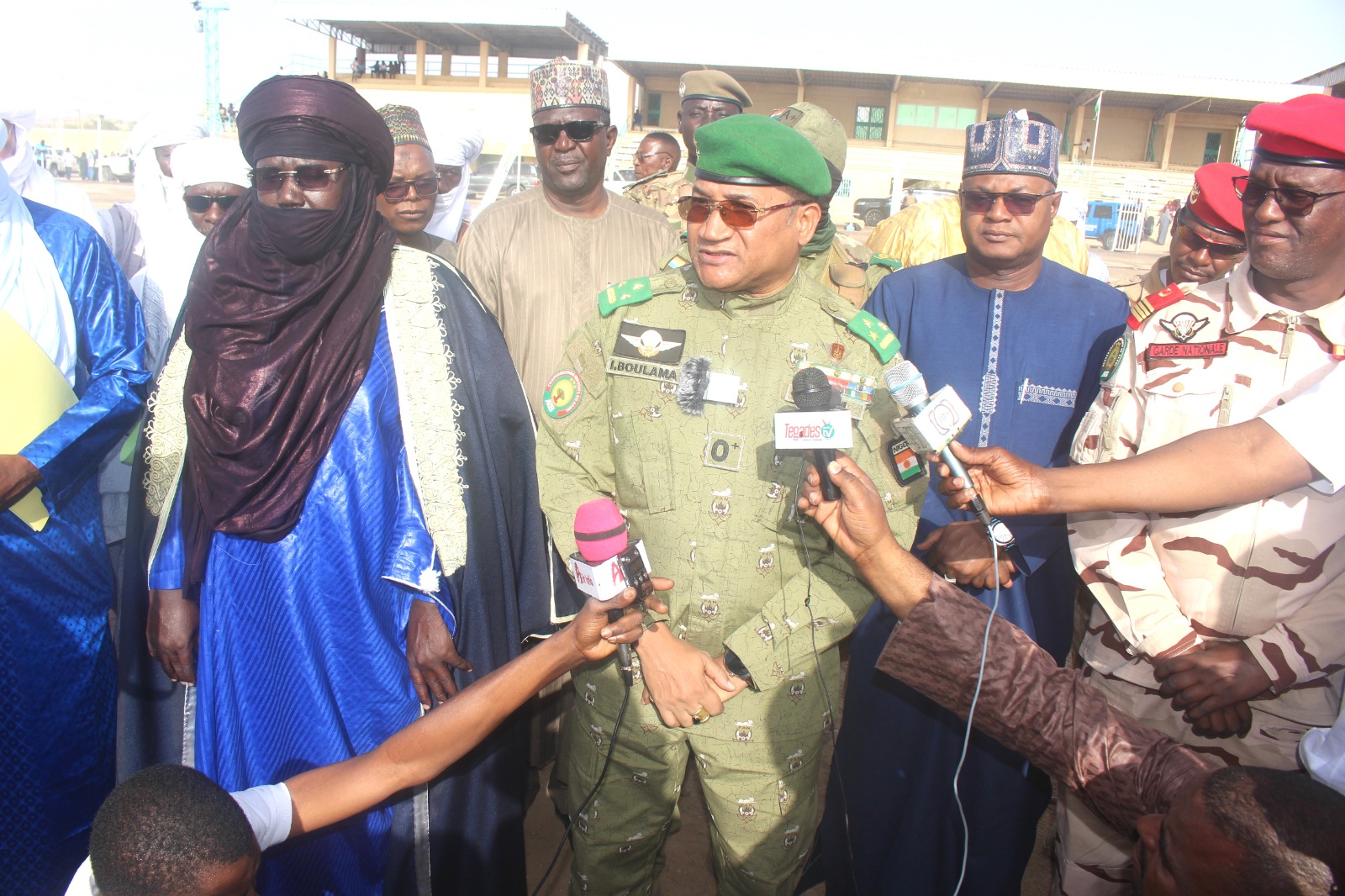
Niger is currently engaged in multiple significant road construction projects across the country, according to statements from the Ministre de l’Équipement. The Minister indicated that several "structuring road construction sites" are actively underway within Niger, showing the government's steadfast commitment to national development. These projects represent a concerted effort by the government to enhance the nation's infrastructure, which is deemed key for sustained economic growth and improved living standards. The ongoing work aims to improve connectivity and facilitate transport across various regions, linking production centers to markets and ensuring easier access to essential services for communities. The Ministre de l’Équipement’s remarks highlight the government's profound focus on developing key transportation arteries, recognizing their foundational role in the country's progress. These initiatives are part of a broader strategy to modernize Niger's road network, making it more resilient and efficient, and to support a diverse range of economic activities, from agriculture to commerce. The commitment to these large-scale infrastructure developments signals a continued and substantial investment in the country's transportation backbone, reflecting a long-term vision for a more interconnected and prosperous Niger. This strategic focus on infrastructure is seen as a key driver for unlocking the nation's full potential and integrating its various regions more effectively into the national economy.
Key Road Projects Underway
Several significant road construction projects are currently underway across Niger, aimed at bolstering the nation's transportation network and fostering regional integration. The Ministre de l’Équipement has noted these initiatives as central to the country's development objectives, emphasizing their strategic importance. Among the key undertakings is the full rehabilitation of the Niamey-Dosso road, a vital artery stretching approximately 140 kilometers. This project is not merely a repair effort but involves a significant upgrade, including widening sections of the roadway to accommodate increased traffic, reinforcing the pavement structure to ensure long-term durability, and improving drainage systems to enhance resilience against seasonal weather challenges and ensure user safety. This route serves as a key link between the capital city and a major southern region, facilitating both commercial and social exchanges. Work on this essential route is progressing steadily, with plans for completion within the next two years, according to official timelines provided by the Ministry. The successful completion of this rehabilitation is expected to significantly reduce travel times and transportation costs, benefiting commuters and businesses alike.
Another key project involves the construction of a new paved road connecting the towns of Tahoua and Agadez. This ambitious endeavor spans over 300 kilometers and is designed to open up remote regions, facilitating trade and access to essential services for communities along its path, many of which have historically been underserved. The construction includes the installation of several new bridges and culverts, which are key for navigating seasonal water flows and ensuring year-round passability. This particular project is seen as a cornerstone for integrating the northern and central parts of Niger more effectively, promoting internal trade, and supporting local economies. It represents a major step towards enhancing national cohesion and providing critical infrastructure to previously isolated areas. The long-term benefits are expected to include improved access to healthcare, education, and economic opportunities for thousands of citizens.
Efforts are concentrated on upgrading urban road networks in major cities, including the capital, Niamey, and Zinder, a significant economic hub. These urban projects focus on decongesting traffic, which has become a growing concern in rapidly expanding urban centers, improving accessibility within city limits, and creating more efficient routes for public and commercial transport. Specific work includes paving new streets, repairing existing ones that have deteriorated, and installing modern traffic management systems to optimize flow and enhance safety. These improvements are intended to alleviate daily commuting challenges for residents, enhance the urban environment, and support the smooth functioning of city economies. The modernization of urban infrastructure is vital for supporting the burgeoning populations and economic activities in these key cities.
The Ministre de l’Équipement also noted the commencement of preparatory work for the Doutchi-Gaya road, a roughly 180-kilometer stretch that will link important agricultural zones to major markets and the border with Benin. This route is expected to significantly reduce transport costs for agricultural produce, allowing farmers to access markets more efficiently and improve their livelihoods. By fostering regional economic exchange, this road will strengthen trade ties with neighboring countries and enhance Niger's position as a regional trade partner. The government's investment in these "structuring road construction sites" shows a profound commitment to creating a modern and resilient infrastructure capable of supporting Niger's long-term growth and connectivity. These projects collectively represent a substantial enhancement to the country's road asset base, promising to deliver lasting benefits across various sectors of the economy and society. The strategic selection of these routes reflects a deliberate plan to connect key economic regions and improve international trade corridors.
Ministerial Vision for Connectivity
The Ministre de l’Équipement has articulated a full vision for Niger's road infrastructure, emphasizing its critical role in national development and regional integration. This strategy centers on enhancing connectivity across the country, aiming to facilitate strong economic growth, improve access to vital services, and strengthen ties with neighboring nations, thereby promoting regional stability and cooperation. The Minister has consistently noted the government's unwavering commitment to modernizing the existing road network, ensuring it meets contemporary standards, while simultaneously expanding it to reach underserved regions that have historically lacked adequate infrastructure. This dual approach ensures both efficiency in established routes and equity in access for remote communities.
The ministerial approach prioritizes the creation of "structuring road construction sites" that are designed not only to improve transportation efficiency but also to act as catalysts for local and national development. These projects are meticulously selected based on their potential to unlock significant economic opportunities, such as enabling easier and more cost-effective access for agricultural products to markets, fostering increased trade volumes, and promoting tourism by making key attractions more accessible. The Ministre de l’Équipement has stressed that investment in these large-scale infrastructure projects is a long-term commitment, reflecting the government's dedication to building a resilient and efficient transport system capable of supporting Niger's future growth trajectory for decades to come. This forward-looking perspective is integral to the overall development strategy.
The vision includes a strong focus on sustainability and durability in all road construction endeavors. This involves implementing modern engineering techniques that are appropriate for the local environment, using quality materials sourced responsibly, and incorporating strong drainage systems to ensure the longevity of the infrastructure, especially in areas prone to environmental challenges such such as heavy rainfall or desertification. The Minister's statements indicate a strategic alignment of infrastructure development with national socio-economic objectives, positioning road networks as fundamental pillars for progress and sustainable development. The government aims to ensure that these developments contribute to a more interconnected, economically vibrant, and prosperous Niger, ultimately improving the quality of life for all its citizens. This holistic approach considers not just the immediate benefits but also the long-term environmental and social impacts of the infrastructure.
Broader Infrastructure Context
The ongoing road construction efforts in Niger are part of a wider national strategy to bolster overall infrastructure development, recognizing that a full approach is necessary for sustainable progress. The government is pursuing a multi-sectoral approach that extends beyond road networks to include significant investments in energy, telecommunications, and water resources. These parallel initiatives aim to create a more integrated and resilient infrastructure base across the country, ensuring that various critical sectors develop in tandem. The Ministre de l’Équipement has consistently framed road projects as foundational elements within this broader plan, emphasizing their key role in unlocking economic potential across all sectors and improving living standards for the entire population. The synergy between these different infrastructure types is considered essential for maximizing their collective impact.
Development plans also encompass significant projects to enhance Niger's energy capacity, which is vital for industrialization and improving daily life. These include investments in power generation, exploring various sources such as solar and hydro, and strengthening transmission infrastructure to ensure reliable distribution. These efforts seek to address electricity access and reliability, which are considered key for industrial growth, supporting small and medium enterprises, and providing essential public services like hospitals and schools. There is an active push to expand and modernize telecommunications networks, particularly in rural and underserved areas, to facilitate digital inclusion, improve communication, and support economic activities in the digital age. This expansion is critical for bridging the digital divide and connecting all Nigeriens.
Water infrastructure development, including the construction and rehabilitation of irrigation systems for agricultural productivity and expanding access to potable water for communities, represents another key pillar of the government's strategy. These projects are designed to support agricultural productivity, which is a cornerstone of Niger's economy, improve public health by reducing waterborne diseases, and enhance resilience to climate challenges such as droughts and floods. The full nature of these infrastructure programs illustrates a concerted national effort to lay the groundwork for sustainable development across various critical sectors. These investments are intended to collectively contribute to a more interconnected, economically dynamic, and environmentally resilient Niger, ensuring a better future for its citizens. The integrated approach ensures that progress in one sector supports and amplifies progress in others.
Economic and Social Impact
The ongoing road infrastructure projects in Niger are anticipated to generate significant economic and social benefits for the nation, acting as powerful engines for development. Improved road networks are expected to facilitate greater movement of goods and people, which can lead to enhanced trade opportunities both domestically, by connecting producers to consumers, and regionally, by strengthening cross-border commerce. The Ministre de l’Équipement has noted that these initiatives are specifically designed to foster strong economic growth by substantially reducing transport costs for businesses and individuals, and by improving market access for agricultural products and other goods, thereby supporting local industries and farmers. This reduction in logistical hurdles is key for competitive markets.
Socially, the development of new and rehabilitated roads is projected to significantly enhance accessibility to essential services, including healthcare facilities and educational institutions, for communities across Niger, particularly those in remote areas. Better connectivity means that medical emergencies can be responded to more quickly, and children can attend school more regularly. Improved infrastructure can also strengthen social cohesion by linking previously isolated regions, fostering a greater sense of national unity and facilitating cultural exchange. The overall aim of these infrastructure investments is to contribute to a higher quality of life for Nigerien citizens through improved mobility, increased economic integration, and better access to fundamental public services. These developments are seen as instrumental in building a more equitable and prosperous society, ensuring that the benefits of progress reach all corners of the country.