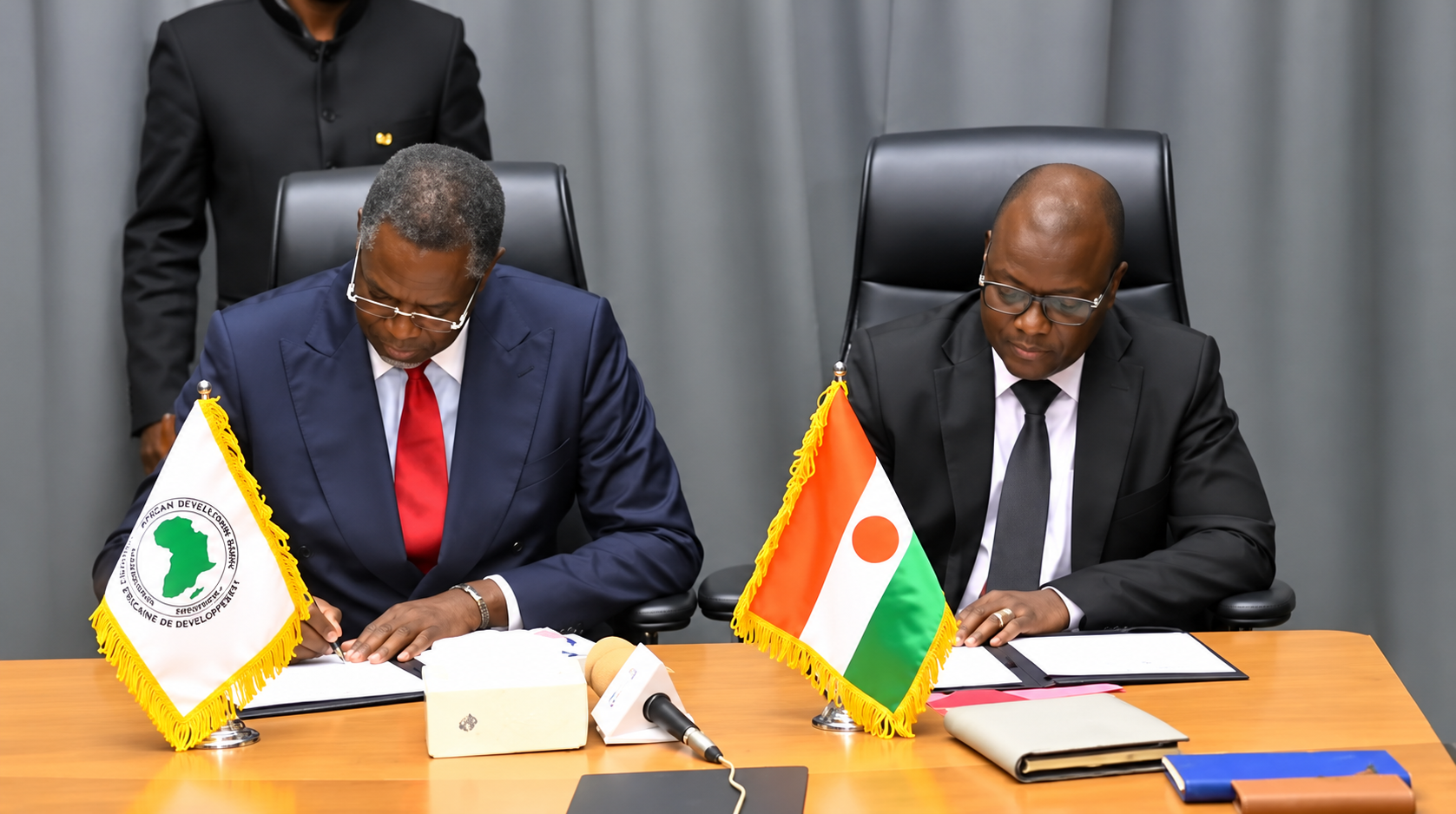
The government of Niger and the African Development Bank (BAD) signed a loan agreement on 28 October 2026 in Niamey to support energy governance. This agreement is for 105 million units of account, a sum the government of Niger reports as more than 82 billion FCFA. The African Development Bank (BAD) Board of Directors had previously approved a financing amount of 144.34 million dollars for the project on 21 October 2026. The institution equates this dollar-denominated figure to approximately 80 billion FCFA. Both parties finalized the deal to address energy sector requirements within the country.
Goals of the Energy Program
PAGSEC-II serves as the primary mechanism for the implementation of these energy sector objectives in Niger. The program targets three core pillars to improve the national utility framework. First, the initiative seeks to improve access to electricity for the population. Second, the project intends to strengthen financial governance within the country's energy institutions. Third, the program supports the development of the private sector to encourage broader participation in energy infrastructure projects. Government planners designed these interventions to address structural gaps in the current power network. By focusing on these specific areas, the program aims to create a more stable environment for energy delivery and investment. Nigerien authorities expect the program to shift management practices and increase the reliability of services provided to consumers. These efforts align with the broader financial support provided by the African Development Bank (BAD) to modernize the nation's energy sector.
Regulatory Reforms and Electricity Access
PAGSEC-II incorporates specific measures to support the implementation of the new Electricity Code. These regulatory updates include established frameworks for decentralized rural electrification and the promotion of renewable energy sources. By formalizing these guidelines, the government aims to expand power availability outside of urban centers and integrate sustainable energy technologies into the national grid.
Economic components of the program target improvements to the national business climate. These initiatives focus on the clearance of state domestic arrears to reduce financial burdens on local entities. Additionally, the program allocates resources to develop community entrepreneurship programs specifically designed for youth participation. These activities intend to stimulate local economic activity while providing training and opportunities for young workers within the energy sector and related industries.
The current program represents a continuation of an initial financing agreement signed in October 2025. This earlier phase established the foundational objectives that the current funding intends to build upon. By maintaining continuity with the previous agreement, the government and the African Development Bank (BAD) seek to sustain the momentum of ongoing utility reforms. These efforts collectively aim to stabilize the operational environment for energy providers and increase the long-term viability of the national power network. Consistent with the goals of the primary agreement, these specific reforms and business initiatives represent the operational strategy for modernizing the energy sector under the current administration.