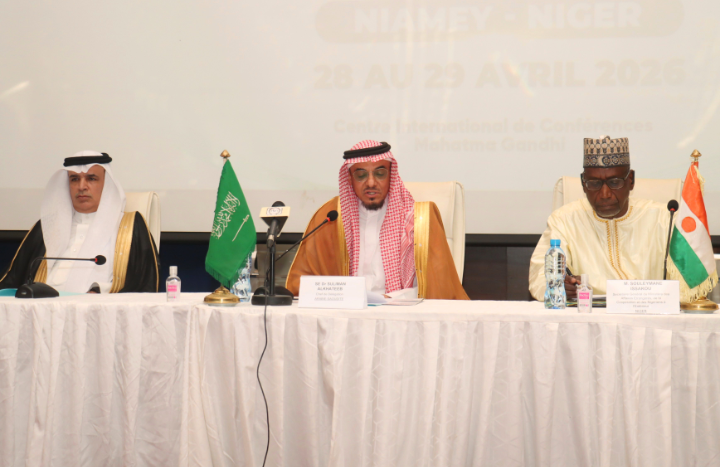
The second session of the joint commission for cooperation between the Republic of Niger and the Kingdom of Saudi Arabia commenced in Niamey on Wednesday, April 29, 2026. The opening ceremony for the commission took place in the meeting room of the Mahatma Gandhi Conference Center in Niamey. This gathering aims to strengthen bilateral relations and explore new avenues for collaboration between the two nations. Representatives from both governments convened to discuss various aspects of cooperation, marking a continued effort to deepen their partnership and foster mutual understanding. The commission's work is expected to lay the groundwork for enhanced collaboration across a multitude of sectors, reflecting a shared vision for prosperity and stability.
Goals of Cooperation Session
The joint commission session seeks to consolidate and deepen bilateral cooperation between Niger and Saudi Arabia. This effort aligns with the orientations set forth by the presidents of both nations, emphasizing a top-level commitment to strengthening ties. The discussions in Niamey are intended to foster stronger bonds and expand cooperation across various sectors, ranging from economic development to cultural exchange. Representatives are exploring mechanisms to enhance mutual benefits and achieve shared objectives, ensuring that the outcomes of the session are both tangible and impactful. The meeting builds upon previous engagements between the two countries, aiming to translate strategic directives into concrete actions and sustainable projects. This collaborative approach shows a commitment to expanding the scope of their partnership, moving beyond diplomatic exchanges to practical implementations that benefit both populations.
Key Figures Preside Over Talks
M. Issakou Souleymane, the Secretary General of the Ministry of Foreign Affairs, Cooperation and Nigeriens Abroad, presided over the opening of the joint commission for cooperation between the Republic of Niger and the Kingdom of Saudi Arabia. The session, held in Niamey, brought together representatives from both nations to advance their bilateral relationship. Mr. Souleymane's role in initiating the discussions noted the significance Niger places on its partnership with Saudi Arabia, showing the strategic importance of this collaboration. His presence showed the government's commitment to fostering deeper collaboration across various sectors, from trade and investment to education and security. The meeting aimed to translate strategic directives into concrete actions, building on previous engagements and ensuring a progressive trajectory for the bilateral relationship. This leadership during the opening ceremony set the tone for the discussions that followed, focusing on strengthening mutual benefits and shared objectives between the two countries through diligent and constructive dialogue. The participation of high-level officials from both sides signals a strong commitment to achieving significant progress during this session.
Building on Past Agreements
The current joint commission meeting in Niamey builds upon previous diplomatic engagements between Niger and Saudi Arabia. Specifically, the gathering follows the Session of Riyadh, a significant event that established a structured framework for consultation and cooperation between the two countries. That prior session laid the groundwork, creating a formal mechanism for ongoing dialogue and collaborative efforts that have since guided the bilateral relationship. The framework devised during the Riyadh meeting has since guided the bilateral relationship, ensuring a consistent approach to identifying and pursuing shared objectives and areas of mutual interest. The Niamey discussions are therefore designed to operationalize and expand upon the principles and agreements articulated in Riyadh, moving from conceptual frameworks to practical implementation plans. This continuity demonstrates a deliberate strategy by both nations to deepen their partnership through established channels, fostering a predictable and productive environment for cooperation. The current session aims to further solidify these consultative and cooperative structures, translating the framework into tangible outcomes across various sectors and reinforcing the long-term commitment of both governments.