Niger has implemented a full regulatory framework governing the practice and commercialization of traditional pharmacopoeia products within the country. This significant development marks a concerted effort to bring traditional healing practices under a formal system of oversight. The new regulations aim to standardize the use and sale of these products, ensuring both their efficacy and the safety of the public who rely on them. This article, detailing the specifics of the framework and its implications, was published on September 9, 2026. The move reflects a growing global trend towards integrating traditional medicine into national healthcare strategies, while simultaneously addressing concerns about quality control and consumer protection.
New Regulatory Framework Detailed
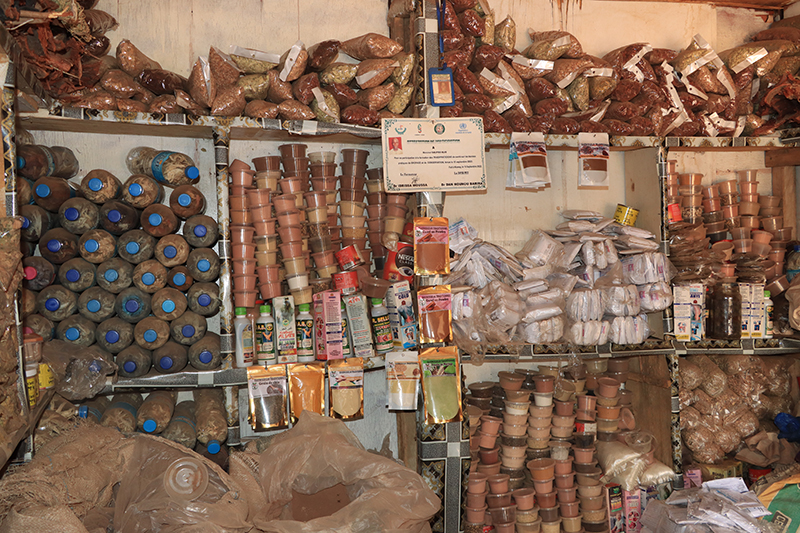
The new regulatory framework in Niger outlines stringent requirements for various stages of traditional pharmacopoeia products, covering their entire lifecycle. These regulations mandate specific standards for the preparation of remedies, ensuring consistency, purity, and safety in their creation. This includes guidelines on sourcing raw materials, processing techniques, and hygiene protocols to minimize contamination risks. The framework details precise conditions for the conservation of these products, aiming to maintain their therapeutic efficacy and prevent degradation over time. Proper storage, packaging, and shelf-life considerations are integral to these conservation guidelines.
Commercialization aspects are also strictly controlled, with clear rules governing how traditional medicines can be sold and distributed across the country. This includes stipulations on labeling, advertising, and the qualifications of individuals or entities involved in their sale. The goal is to prevent the sale of counterfeit or substandard products and to ensure that consumers receive accurate information. Additionally, the new measures establish clear conditions for the use of these products, providing guidance on administration, appropriate dosage, and potential contraindications. This full approach is designed to ensure public health and safety by offering clear instructions for both practitioners and consumers. The regulation covers the entire lifecycle of traditional pharmacopoeia, from initial preparation through to consumer use, establishing a strong system of accountability. This detailed approach seeks to integrate traditional practices within a standardized and monitored system, providing clarity and structure where previously there might have been ambiguity.
Balancing Tradition and Safety
The new regulatory framework seeks to reconcile ancestral knowledge, which forms the bedrock of traditional pharmacopoeia, with modern health and public safety requirements. This initiative aims to integrate the traditional pharmacopoeia into a formal system that ensures product quality and strong consumer protection. The regulations acknowledge the profound cultural significance and historical use of traditional remedies, recognizing their deep roots in Nigerien society. At the same time, they establish essential oversight mechanisms to prevent potential health risks associated with unregulated practices or products.
By standardizing preparation methods, conservation techniques, commercialization channels, and usage guidelines, Niger intends to create a controlled environment for these products. This balance is key, as it allows for the continued practice of traditional medicine while mitigating potential dangers. The government's approach reflects a thoughtful effort to preserve traditional practices within a contemporary public health paradigm, ensuring their continued relevance and safety. This balance is central to the framework's objective, ensuring that traditional medicines can be utilized safely and effectively, benefiting both practitioners and the wider community. The framework shows a commitment to safeguarding public health without undermining the rich heritage of traditional healing.
Official Confirmation and Scope
The commercialization and practice of products from traditional pharmacopoeia in Niger are now officially governed by strict national regulations, specifically Law n°2022-34. This legal framework establishes a full system for overseeing traditional medicinal products within the country, providing a clear legal basis for all activities related to their production and distribution. The law aims to ensure that all aspects, from the preparation of remedies to their sale and distribution, comply with established standards of quality, safety, and transparency.
Law n°2022-34 provides the foundational legal basis for the new regulatory framework, which seeks to formalize and monitor the traditional pharmacopoeia sector across Niger. Its implementation signifies the government's commitment to integrating these practices into a controlled public health system, ensuring that they contribute positively to the nation's healthcare landscape. This legal backing provides clarity and enforceability, marking a new era for traditional medicine in Niger.