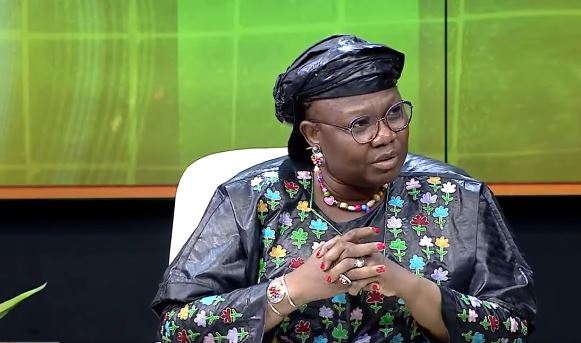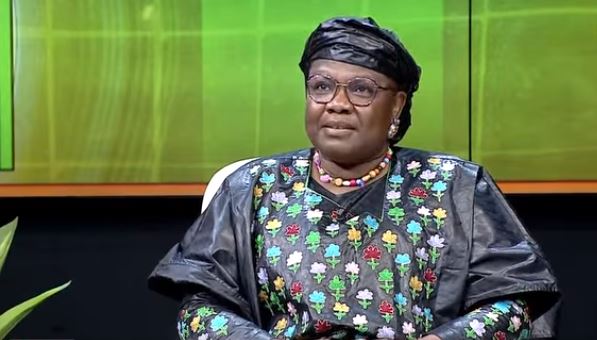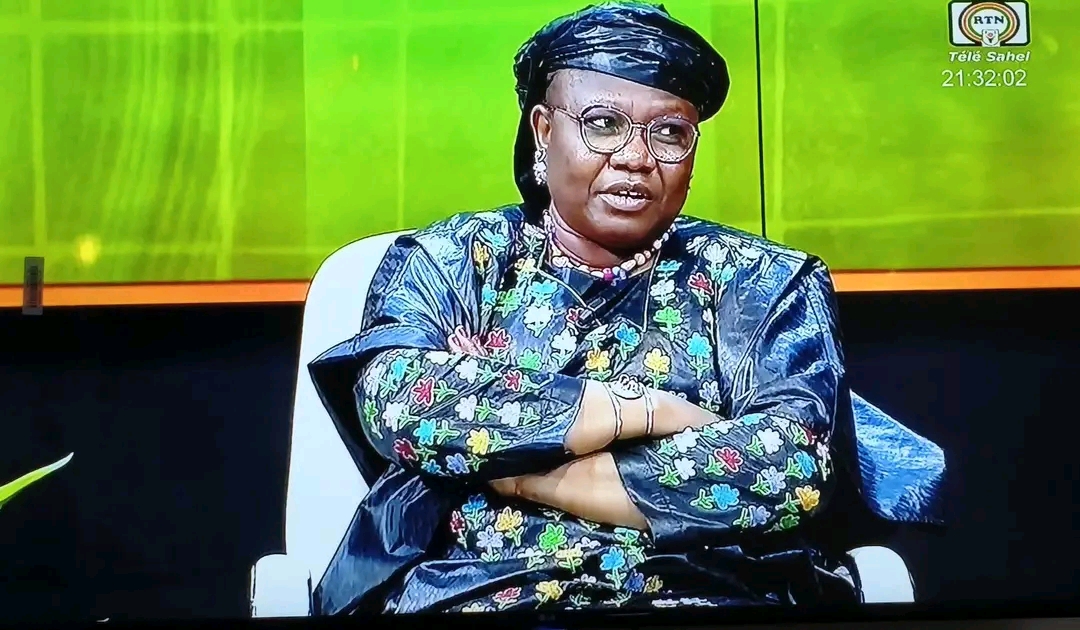
Niger’s education system currently serves 3,948,516 students across 24,418 schools, yet approximately five million children remain outside the formal educational structure. This significant disparity notes a profound challenge for the nation's development and future. Dr. Élisabeth Shérif, Minister of National Education, Literacy and Promotion of Languages, showed the gravity of the situation, stating that "Environ cinq millions d’enfants restent encore en dehors du système éducatif." This figure represents a substantial portion of the country's youth who are not benefiting from formal schooling.
The sheer scale of the educational apparatus in Niger is considerable, with the system encompassing 24,418 distinct school establishments spread across the country. These institutions are staffed by a dedicated workforce of 105,869 teachers, who are on the front lines of delivering education to the enrolled student population. Among the total number of educational establishments, 1,575 are private institutions, playing a complementary role alongside public schools in the provision of learning opportunities. Despite these extensive resources, the challenge of reaching all children remains immense.
Internal Challenges Hampering Education
Niger's school system faces several pressing internal challenges that impede its effectiveness and reach. These include a critical insufficiency of school infrastructure, which often means overcrowded classrooms or a complete lack of facilities in some areas. A persistent shortage of qualified teachers further exacerbates the problem, impacting the quality of instruction delivered. Concerns regarding the overall quality of teachings are widespread, with many educational programs struggling to meet contemporary standards and adequately prepare students for future opportunities. The adequacy and relevance of these educational programs also present a significant hurdle, as they must be tailored to the specific needs and context of Nigerien society. These multifaceted issues contribute to widespread difficulties in providing consistent and effective schooling across the country, directly impacting student access and undermining learning outcomes. Addressing these foundational problems is seen as critical for improving the overall state of education in Niger and substantially reducing the number of children currently out of school.
External Factors Affecting Access
Beyond internal systemic issues, external challenges further complicate access to education in Niger. These factors include recurring climatic hazards, such as droughts and floods, which can severely disrupt schooling by damaging infrastructure, displacing communities, and making travel to schools perilous. Sociocultural barriers also significantly impede school enrollment, particularly affecting vulnerable groups. These traditional norms and practices often discourage the schooling of girls and children with disabilities, leading to their exclusion from educational opportunities. Additionally, ongoing security challenges, including instability and conflict in various regions, profoundly impact the functioning of educational institutions across the country. These security threats frequently lead to school closures, the displacement of populations, and create an unsafe environment for both students and teachers. These external pressures exacerbate existing internal issues within the education system, making it more difficult to achieve consistent school attendance and provide a stable, conducive learning environment for all children. Addressing these multifaceted external factors is considered key for improving educational outcomes and increasing enrollment rates across Niger.
Strengths and Path Forward
Despite the considerable obstacles, Niger's education system possesses several inherent strengths that offer a foundation for progress. These include the unwavering commitment of its teachers, many of whom work under challenging conditions, and the active involvement of various social partners who support educational initiatives. The political will demonstrated by authorities signifies a recognition of the problem and a determination to address it. These internal assets are considered key for effectively tackling the country's educational challenges and fostering a more inclusive and strong learning environment.
To build on these strengths and confront the existing barriers, Dr. Élisabeth Shérif, Minister of National Education, Literacy and Promotion of Languages, has called upon all stakeholders to intensify public awareness campaigns. The minister's urgent call aims to restore and rebuild trust in the school system among the population, which is essential for encouraging greater participation. By fostering renewed confidence, the objective is to promote increased school enrollment, thereby drawing more children into formal education. This strategic focus on leveraging existing positive factors while actively engaging communities is seen as a vital step towards improving educational access and outcomes for all children in Niger.