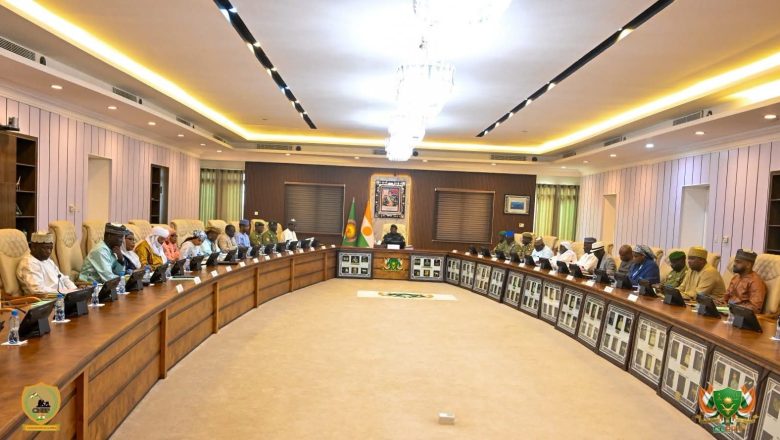
The Nigerien government adopted a draft decree in the Council of Ministers on Thursday, September 10, declaring the development and asphalting works of the Niamey airport bypass roads, along with material extraction sites, as being of public utility. The declaration mandates the use of expropriation for public utility procedures to facilitate these projects. These new roads are expected to strengthen the road network around the airport and improve traffic flow in Niamey. The realization of these new roads is specifically anticipated to improve traffic in this vital part of Niamey, addressing current congestion and facilitating smoother transit. The government's decision aims to enhance infrastructure in the capital, laying the groundwork for improved connectivity and urban development.
Project Details and Scope
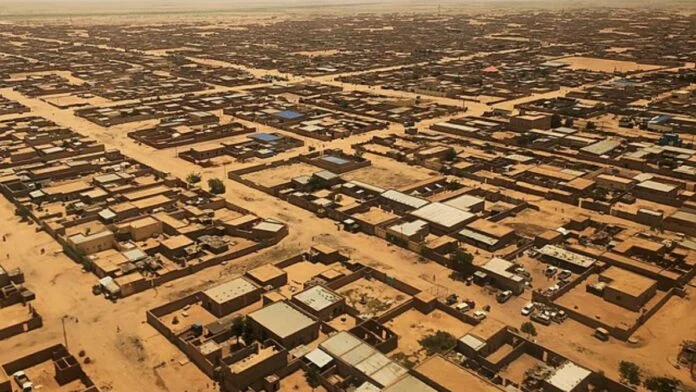
The execution of the works will necessitate the occupation of specific areas currently held by private individuals. The planned route for the bypass roads is set to encroach upon private properties, potentially leading to the demolition of existing built structures. This impact is expected to be particularly pronounced in the crossing of the 4th commune of Niamey. The encroachment on private properties and the potential demolition of built structures highlight the significant transformation anticipated for the affected areas. This situation necessitates the use of expropriation for public utility procedures to ensure the project's progression.
The government's decree also specifically addresses sites designated for material extraction, which are essential for the development and asphalting works of the roads. These sites are key for sourcing the necessary raw materials to complete the extensive road construction. The project is anticipated to have a direct impact on certain owners and occupants situated within the 4th arrondissement. This direct impact shows the need for careful management of the expropriation process and subsequent compensation.
Legal Framework and Justification
The project forms an integral component of the broader Program for the Refoundation of the Republic, as stated by the government. This project is part of the implementation of the Program for the Refoundation of the Republic, signifying its importance within the national development agenda. Officials indicate the development is aligned with national strategic objectives, aiming to bolster the country's infrastructure and economic capabilities. The government has grounded its expropriation procedure in existing legal provisions. Specifically, the process relies on law n° 61-37, enacted on November 24, 1961. This legislation governs the framework for expropriation for public utility, along with regulations pertaining to temporary occupation of private lands. The invocation of this law provides the legal basis for the government to acquire necessary properties for the bypass road construction and associated material extraction sites. This legal foundation permits the authorities to proceed with the mandated expropriations to facilitate the infrastructure development around the Niamey airport, ensuring that the project adheres to established legal frameworks.
Challenges and Next Steps
The implementation of expropriation procedures and, where applicable, the distribution of compensation are anticipated to present significant challenges as the work effectively commences. These processes are key steps that must be managed before the construction of the Niamey airport bypass roads can fully proceed. The government's declaration of public utility allows for the acquisition of private lands and structures, but the subsequent stages of evaluating properties and compensating affected individuals are expected to be complex. Ensuring fair and timely remuneration for owners and occupants impacted by the project will be a primary focus for authorities. The successful navigation of these challenges is essential for the project's timeline and for mitigating potential disruptions to local communities within the 4ᵉ arrondissement communal de Niamey, ensuring a smooth transition for all stakeholders.