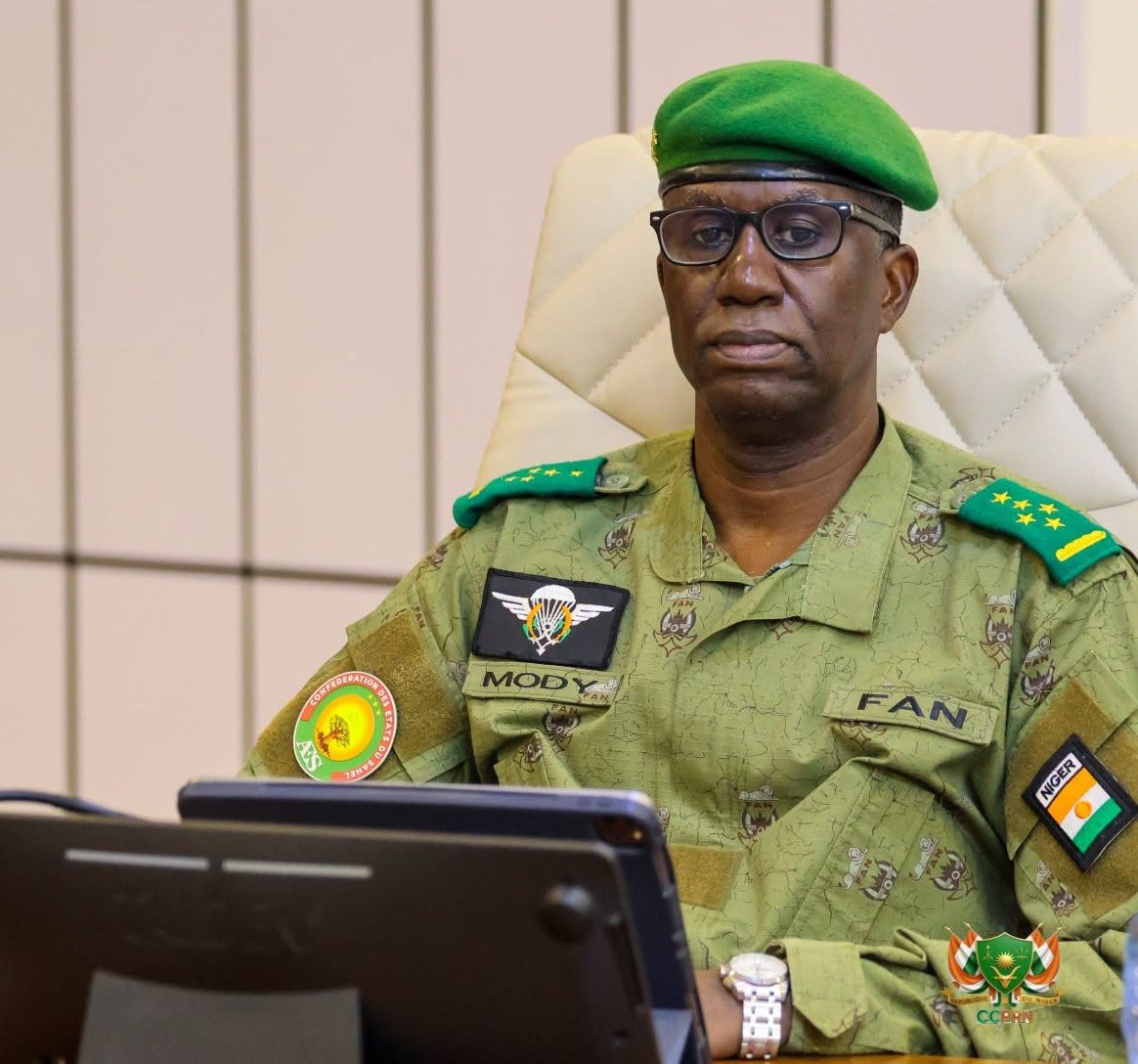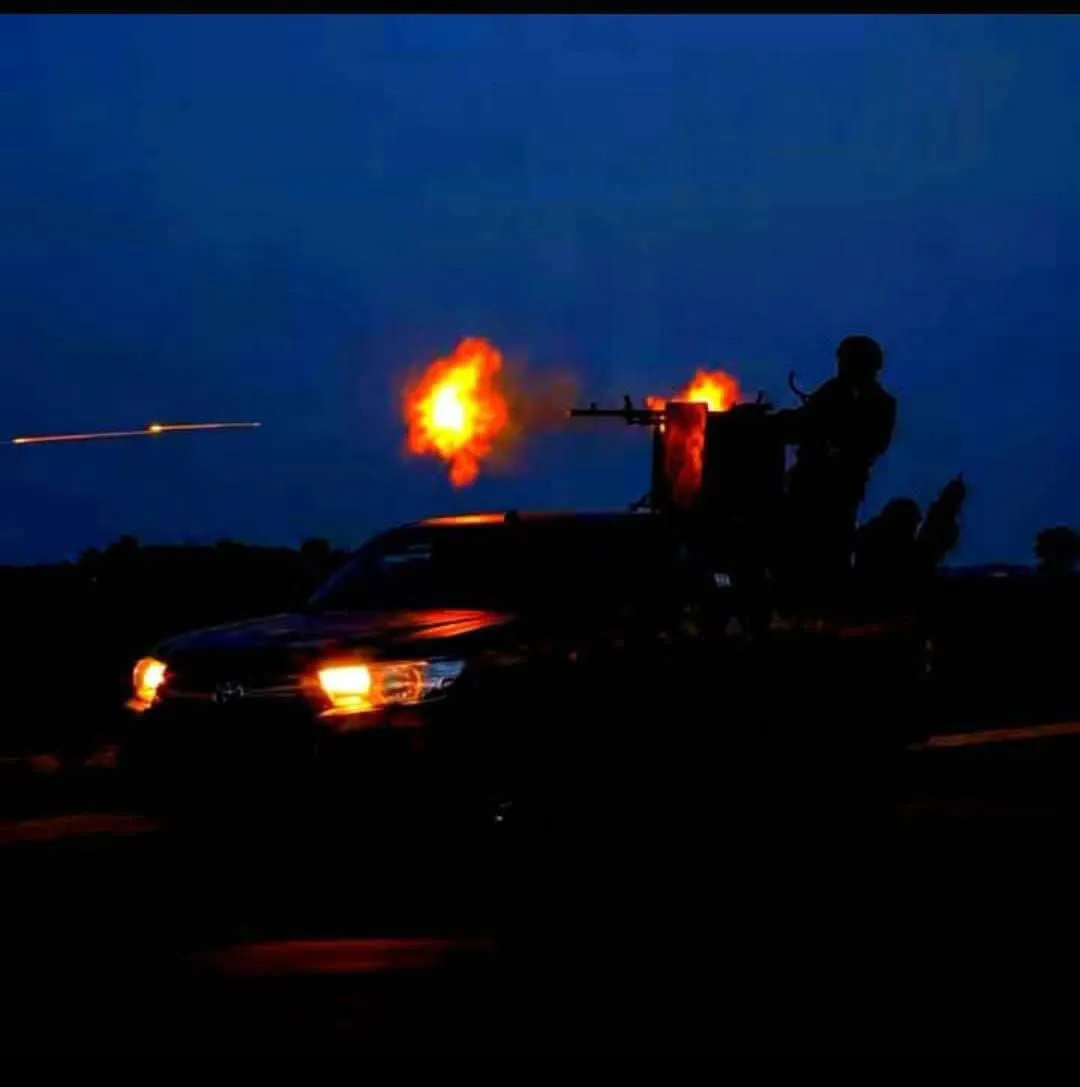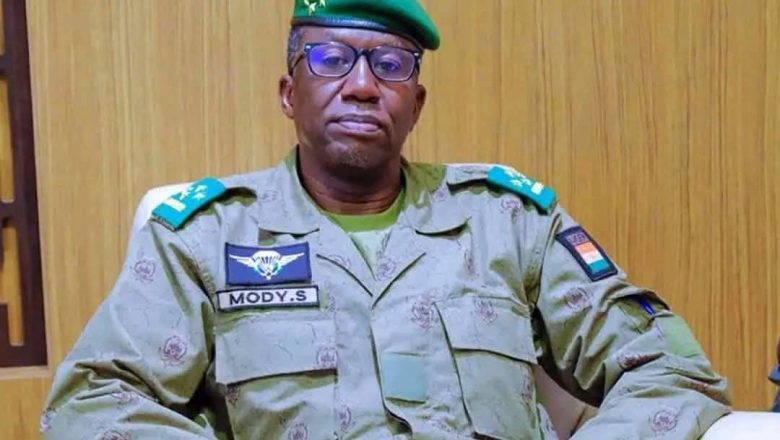
Niamey, the capital of Niger, experienced a night of intense tension marked by exchanges of fire and several detonations as a military mutiny unfolded. The city, a vital hub for the nation, was plunged into uncertainty as the events transpired. The Ministry of Defense announced that loyal forces swiftly reacted to contain the movement, asserting they had gradually regained control of affected sites. By midday, a sense of calm appeared to return to various sectors of the capital, although military personnel remained deployed to secure sensitive areas across Niamey following the unrest. This swift response from loyalist forces was key in preventing further escalation and restoring a semblance of order.
Night of Gunfire and Tension
Gunfire erupted for several hours around strategic sites in Niamey, including military base 101, Diori Hamani International Airport, and near the presidential palace, according to reports. The initial detonations were heard shortly after midnight in the airport sector, marking the beginning of the unrest and signaling a serious challenge to the existing order. Residents reported being awakened by the sound of explosions and sustained automatic weapon fire. Witnesses described heavy gunfire near the presidential palace and in various districts across Niamey as the night progressed, painting a picture of widespread disorder and fear among the populace. The intensity of the exchanges showed the gravity of the situation, as key government and military installations came under threat.
During the early hours of the crisis, both public television and radio services temporarily interrupted their programming, a clear indication of the instability and the immediate impact on public information channels. This interruption left many residents without official news, relying on rumors and the sounds of conflict echoing through the city. The national television signal resumed broadcasting around 10 AM local time, coinciding with a gradual decrease in the intensity of the gunfire across the city, suggesting that the loyalist forces were effectively gaining the upper hand. Military base 101, which is situated at the Diori Hamani Airport complex, stands as one of the capital's primary military installations, making it a critical target for any dissident movement. The installation had previously been targeted in attacks earlier in the year, specifically in January and June, noting its strategic importance and vulnerability. The events unfolded leading up to the publication date of August 29, 2026. The continued deployment of military personnel throughout the day aimed to reassure the public and prevent any resurgence of the mutiny.
Official Explanation and Response
The Nigerien Ministry of Defense attributed the violence to a "mood swing" by soldiers who broke with military regulations, according to an official statement released in the aftermath of the events. These soldiers attempted to detain comrades at base 101 before opening fire on sensitive targets in the capital, the Ministry of Defense further stated, detailing the initial actions of the mutineers. The Ministry's account characterized the events as an isolated incident driven by a faction of military personnel, rather than a broader, organized rebellion. This narrative aimed to downplay the scale of the internal dissent and emphasize the government's control over the situation. The Ministry of Defense also confirmed that the rapid reaction of loyal forces was instrumental in containing the movement and ensuring the gradual regaining of control over the affected sites, thereby preventing a prolonged conflict.
In response to the unrest, the National Council for Safeguarding the Homeland (CNSP) issued a call for calm, urging the population to remain steadfast. The CNSP urged residents to remain tranquil and to refrain from disseminating unverified information, emphasizing the importance of stability during the unfolding situation and the potential for misinformation to exacerbate tensions. This appeal noted the authorities' concern about maintaining public order and preventing panic. Authorities have not yet provided an official toll for potential victims or the exact scale of the movement, leaving details regarding casualties or the number of participants in the mutiny undisclosed. The government's statements focused on containment and restoring order, without detailing the precise motives of the soldiers involved, which remain a subject of speculation. The lack of specific information regarding the mutineers' grievances or demands leaves many questions unanswered about the underlying causes of the unrest.
Broader Context and Fragilities
The recent military mutiny in Niger unfolds amidst persistent threats from jihadist groups and ongoing internal fragilities within the nation. The country has been navigating a complex security landscape following the July 2023 coup d'état, which significantly reshaped its political and military dynamics. The latest incident notes the continued instability that has characterized Niger since the military takeover, demonstrating the challenges faced by the current leadership. This crisis occurs amidst a backdrop of profound insecurity and political uncertainty that has gripped the Sahel region.
The presence of various jihadist organizations in the region poses a constant challenge to state authority and security forces, frequently conducting attacks that destabilize communities and infrastructure. These groups exploit existing fragilities, contributing to an environment of insecurity that complicates governance and national cohesion. The internal fragilities stemming from the 2023 coup have further exacerbated these challenges, creating a volatile situation where military discipline and political stability remain critical concerns. The coup itself created deep divisions within the armed forces and the wider political establishment, making the nation susceptible to internal power struggles and dissent. The government's efforts to consolidate power and address the widespread security threats are continuously tested by such internal dissent within the armed forces, as demonstrated by the recent mutiny. This broader context shows the difficulties faced by the current administration in maintaining order and ensuring national security, while also trying to establish its legitimacy on a national and international stage. The events of the night serve as a stark reminder of the multifaceted challenges confronting Niger as it strives for stability in a turbulent region.