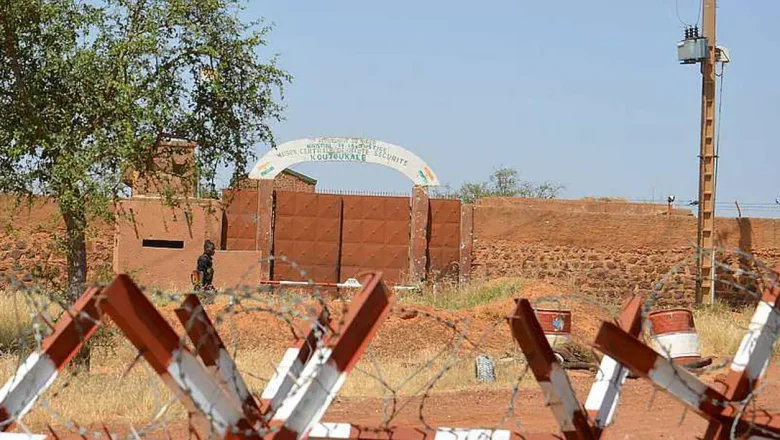
Sixteen individuals, including high-ranking customs and police officials, have been placed under arrest warrants in Niger. This significant development has seen the detainees dispersed across five distinct detention centers throughout the country. The simultaneous incarceration includes four colonels of customs and two police commissioners, reflecting the high-level nature of those implicated in the ongoing investigation. These arrests show a rigorous enforcement effort by Nigerien authorities, particularly in relation to a 'morals' scandal that has drew national attention.
Details of Detainees
The distribution of the accused across various correctional facilities notes the widespread nature of the detentions. Commissioner Ibrahim Adamou Harouna, a prominent figure, is currently detained at Kollo civil prison. He is held alongside four civilians: Ibrahim Moussa, Habiboulaye Mahamadou Boni, Mahamadou Salim, and Izdine Ben Yusuf. Their presence together at Kollo civil prison indicates a centralized aspect of the investigation into the alleged 'morals' infractions.
At Say prison, another key figure, Colonel of Customs Saguirou Mindaoudou, is incarcerated. He is being held with three other individuals: Habibou Nouhou, Ousmane Yayé Moussa, and Mahamadou Moutari Hassan. This grouping at Say prison further illustrates the broad scope of those apprehended in connection with the scandal.
Birni Ngaouré high-security prison, known for housing serious offenders, is currently confining three high-ranking customs officials. These include Colonel of Customs Ali Hamani, Colonel of Customs Abdoul Kader, and Colonel of Customs Moumouni Abdou Boha. Their detention at such a facility emphasizes the gravity with which the authorities are treating these cases, especially given their senior positions within the customs service.
Separately, the Ouallam detention center holds Moussa Zaidu, Ibrahim Dioffo, and Hassan Amadou Adamou. These individuals are part of the broader group of sixteen detainees. Commissioner Abdoul Razak Mahamadou Mossi, another police commissioner implicated in the scandal, has been transferred to Filingué civil prison. The strategic dispersion across Kollo civil prison, Say prison, Birni Ngaouré high-security prison, Ouallam detention center, and Filingué civil prison ensures the containment of all sixteen individuals involved in this high-profile case. These detentions are part of an ongoing investigation into a 'morals' scandal linked to Niger's new penal code.
Context of New Laws
The high officials detained in connection with the 'morals' scandal could be the first individuals prosecuted under the particularly repressive provisions of the Nigerien Penal Code that specifically target same-sex relations. This aspect of the investigation marks a significant legal precedent in the country. The new legal framework introduces stringent penalties for such offenses, marking a significant shift in the country's approach to these issues. The arrests and subsequent detentions across various facilities, including Kollo civil prison, Say prison, Birni Ngaouré high-security prison, Ouallam detention center, and Filingué civil prison, show the seriousness with which authorities are pursuing these cases. This development suggests a rigorous enforcement of the revised penal code by Nigerien authorities, indicating a firm stance against practices deemed illegal under the new legislation. The potential prosecution of such high-ranking officials under these specific provisions notes the broad implications of the updated legal framework.
Broader Implications
Rumors strongly suggest practices related to homosexuality are involved in the "affaire de mœurs," or morals scandal. This allegation, linked to the new penal code in Niger, implicates the high-ranking officials and civilians currently detained. The arrests of figures such as Commissioner Ibrahim Adamou Harouna and Colonel of Customs Saguirou Mindaoudou, alongside others across facilities like Kollo civil prison and Say prison, occur amidst these specific allegations. The ongoing investigation and subsequent detentions underline the gravity with which authorities are addressing the rumored practices, indicating a strong enforcement stance under the revised legal framework. The involvement of four colonels of customs and two police commissioners among the sixteen detainees further amplifies the public and institutional impact of this scandal, signaling a potential crackdown on certain social behaviors under the new legal provisions.