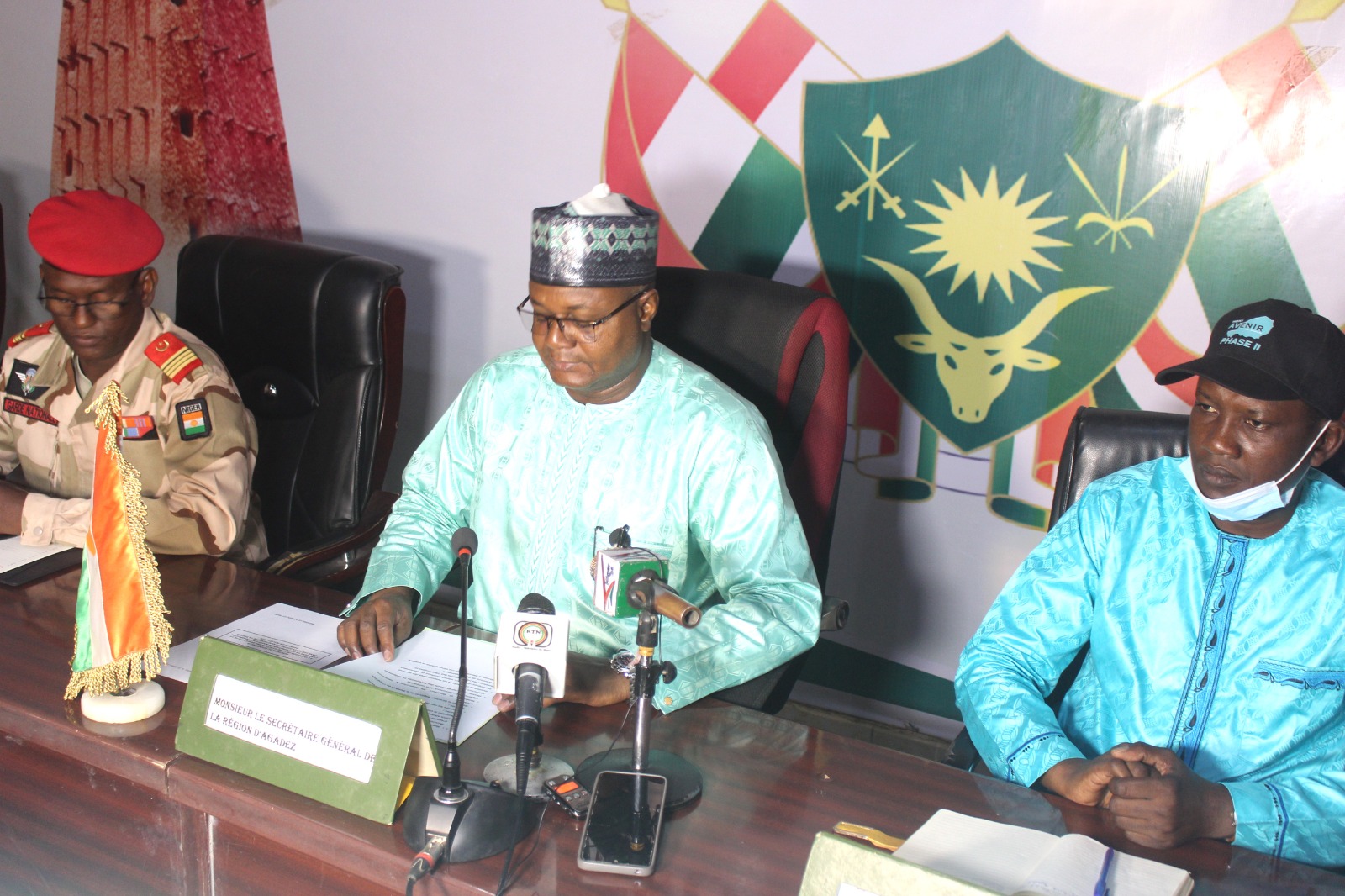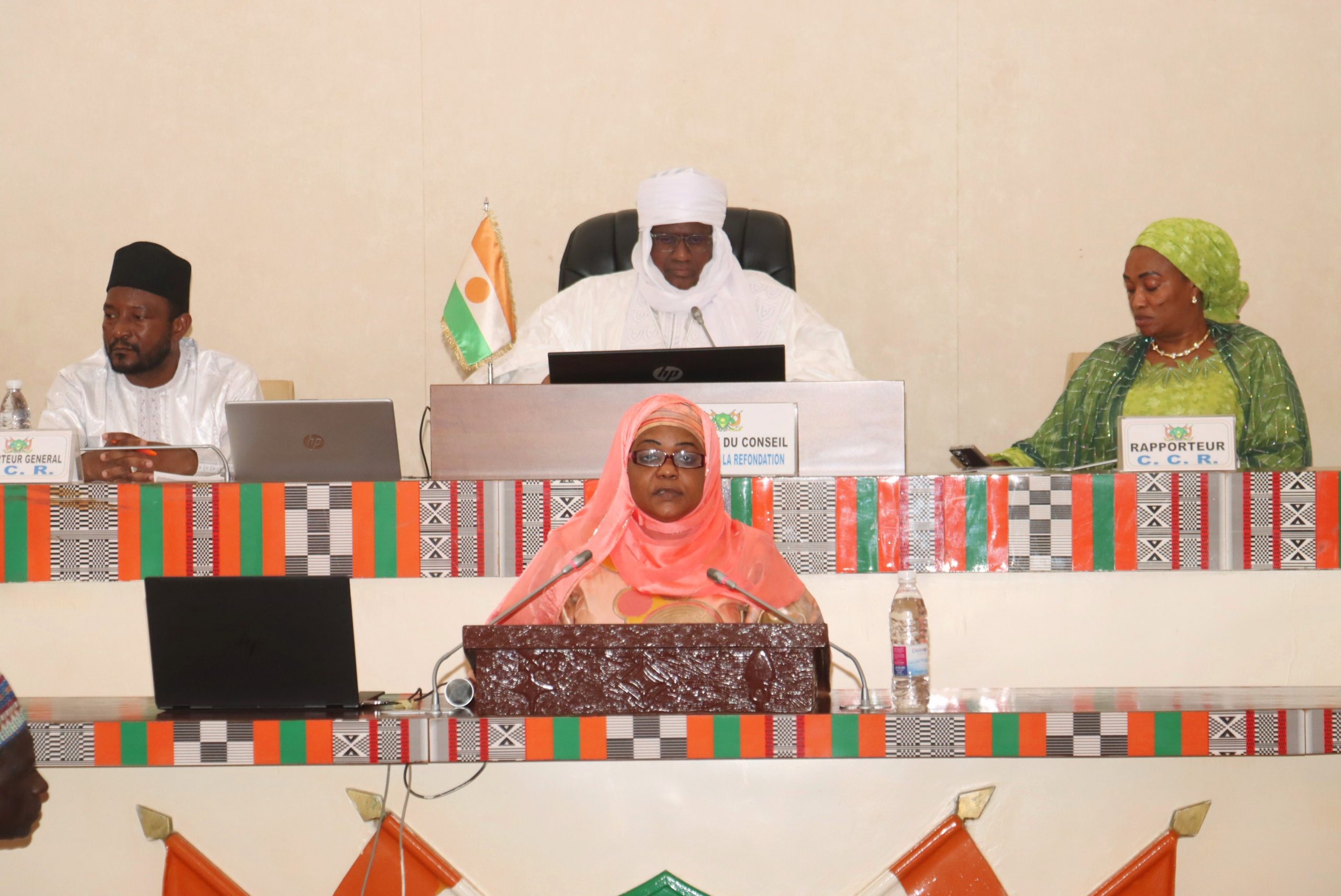
Niger's Minister of Energy, Prof. Amadou Haoua, presented a communication on energy reforms to the consultative council of the refoundation on Wednesday, July 22, 2026. The reforms are designed to transform governance, the organization of the electricity market, and the conditions for participation of public and private actors within the sector. This full initiative seeks to address various challenges and opportunities within Niger's energy landscape. The Government has been engaged in deep reforms of the energy sector since 2024, aiming to modernize its infrastructure and operational frameworks to meet the nation's growing energy demands. These efforts show a strategic commitment to enhancing energy security and fostering sustainable development across the country.
New Electricity Code Details
A new ordinance on the Electricity Code was adopted in April 2026, marking a significant step in Niger's energy sector transformation. This legislative update is a cornerstone of the broader reform agenda, providing a modernized legal framework for electricity operations. The new Electricity Code expands its scope to include the distribution activities of individual electrical systems, aiming for broader regulatory oversight and ensuring that all facets of electricity distribution are adequately governed. This expansion is key for integrating diverse energy sources and distribution methods into a cohesive national system.
The legislation also strengthens the tools available for steering the development of the electricity sub-sector. By enhancing these regulatory and planning instruments, the government aims to provide more effective mechanisms for planning and implementing energy projects, from generation to transmission and distribution. The new Electricity Code clarifies the institutional framework of the sector. This clarification is designed to facilitate investment decisions by the private sector, creating a more predictable and transparent environment for potential investors in Niger's energy infrastructure. The clear delineation of roles and responsibilities is expected to reduce uncertainties and encourage greater participation from both domestic and international private entities, thereby accelerating the modernization and expansion of the energy grid.
Broader Sector Transformation Goals
The reforms are designed to improve the framework governing public electricity service missions, according to official statements. This improvement is key for ensuring reliable and affordable electricity access for all citizens, aligning the sector with best practices in public utility provision. A key objective of the ongoing transformation is to exploit all of Niger's energy resources, ensuring full development of the sector. This includes harnessing renewable sources like solar and hydro, as well as traditional resources, to build a diversified and resilient energy portfolio. The government also intends for the reforms to frame decentralized rural electrification activities, aiming to expand access to electricity in underserved areas. This focus on decentralized solutions is particularly important for remote communities, where grid extension may not be economically viable, promoting energy equity across the nation.
Additionally, the full plan includes the creation of a national energy sovereignty fund. This fund will be specifically dedicated to financing the development of the electricity sub-sector, providing a stable financial mechanism for future projects and reducing reliance on external funding for critical infrastructure. The establishment of this fund is a strategic move to ensure long-term sustainability and control over national energy development. Another goal of the reforms is to establish an incentive and attractive fiscal framework, which officials indicate is intended to encourage both domestic and international investment in Niger's energy infrastructure. This framework aims to make Niger a competitive destination for energy investments, stimulating economic growth and technological advancement within the sector. These measures collectively aim to modernize the country's energy landscape and enhance its capacity for sustainable energy production and distribution, ultimately contributing to national development and improved living standards.
Minister's Vision and Ambition
The ongoing reforms in Niger’s energy sector are primarily aimed at establishing a modern, high-performing, and financially viable system, according to official statements. This ambitious vision seeks to overhaul the entire energy value chain, from generation to consumption, ensuring efficiency and economic sustainability. The government's vision is to create an energy sector that can sustainably guarantee the country's energy security, reducing vulnerability to external shocks and ensuring consistent power supply for industrial, commercial, and residential needs. This full overhaul seeks to address long-standing challenges such as insufficient generation capacity, transmission losses, and unequal access, and position Niger for a more resilient and self-sufficient energy future.
Through these initiatives, the nation intends to ensure that its energy infrastructure not only meets current demands but also supports future growth and stability, accommodating the needs of a developing economy and a growing population. The objective is to foster an environment where energy resources are efficiently utilized and managed, contributing to the broader economic development of Niger. This strategic direction underlines a commitment to national energy sovereignty and improved public service delivery in the electricity sector, reflecting the government's dedication to creating a strong and equitable energy system for all citizens. The Minister of Energy, Prof. Amadou Haoua, emphasized that these reforms are critical for unlocking Niger's full potential and ensuring a prosperous future powered by reliable and sustainable energy.