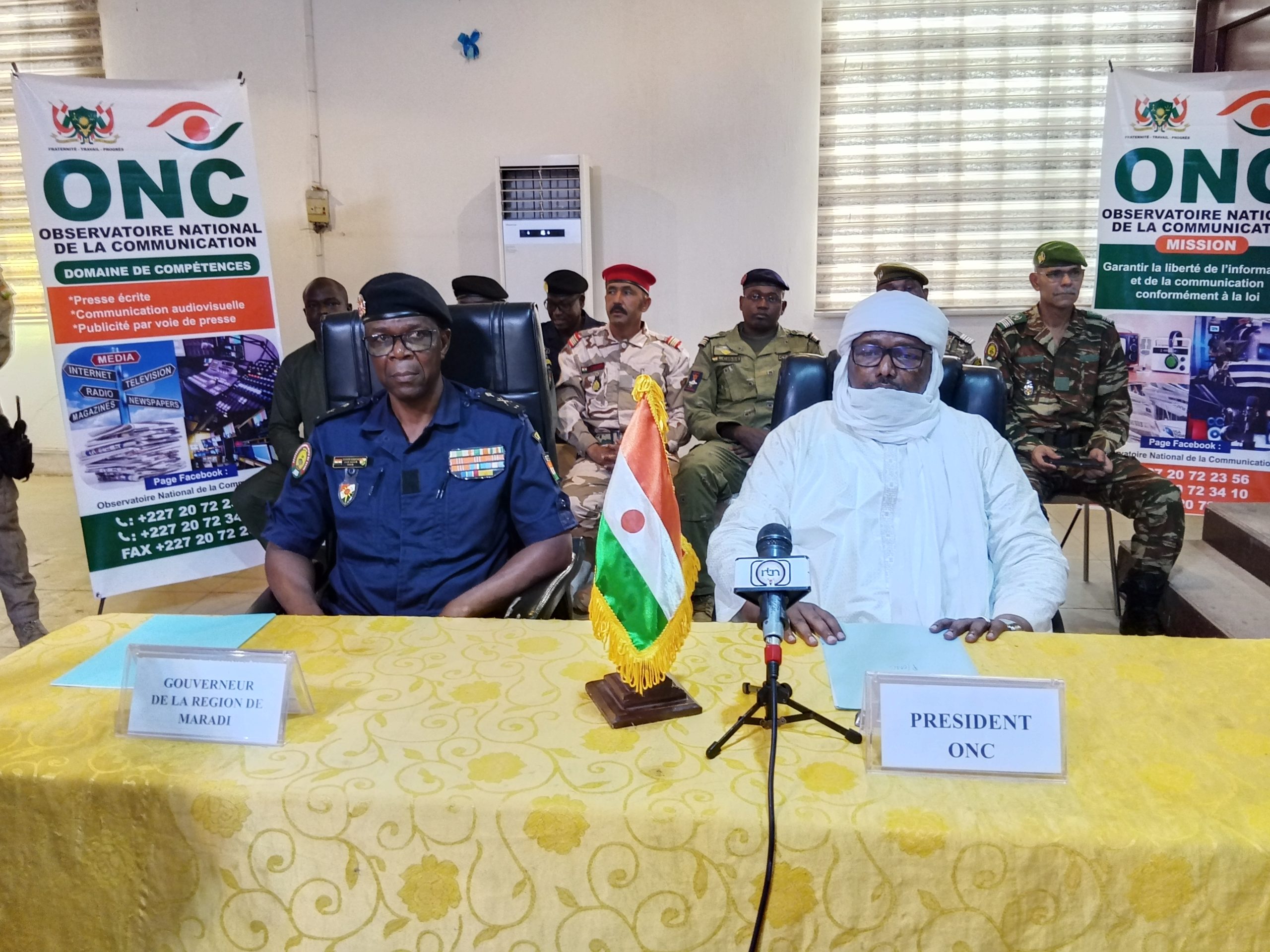
A national workshop on electronic press, held in Maradi, Niger, concluded on Tuesday, May 19, 2026, after two days of deliberations. During the event, participants adopted several key recommendations aimed at developing digital press regulation and enhancing the fight against cybercrime within the country. The gathering brought together a diverse array of stakeholders to address the evolving landscape of online media and its associated challenges in Niger. This significant event showed the nation's commitment to fostering a responsible and secure digital environment for its citizens and media professionals alike. The workshop served as a key platform for dialogue and collective action, recognizing the profound impact of digital technologies on communication and societal interaction.
Workshop Deliberations and Outcomes
Participants in the Maradi workshop internalized the law on combating cybercrime in Niger, gaining a deeper and more full understanding of its provisions and implications. This internalization process was critical for ensuring that all stakeholders were fully aware of the legal framework governing online activities and the penalties associated with cybercrime. The deliberations also involved a thorough and careful examination of the draft ordinance intended to govern the electronic press. This in-depth review, which spanned the two-day duration of the workshop, allowed for a detailed analysis of each proposed article and its potential effects on the digital media landscape. As a direct result of these extensive discussions and collaborative input, several provisions within the draft text were amended and enriched by the attendees, reflecting a consensus-driven approach to policy formulation. The amendments aimed to refine the regulatory framework, making it more strong, equitable, and adaptable to the dynamic nature of digital communication.
A key outcome of the discussions was a fostered improvement in understanding professional, ethical, and civic responsibilities. This enhanced comprehension applied to various stakeholders, including journalists, online media promoters, web activists, and digital influencers present at the event. The workshop aimed to align these diverse groups with the evolving regulatory framework and the ongoing efforts to combat cybercrime, emphasizing the shared responsibility in maintaining a healthy and trustworthy online space. The focus on ethical conduct and civic duties was particularly pertinent given the rapid dissemination of information and the potential for misuse of digital platforms. By promoting a deeper understanding of these responsibilities, the workshop sought to cultivate a culture of accountability and integrity among those who shape and influence public discourse online.
The engagement of such a broad spectrum of participants, from traditional journalists adapting to digital formats to new media influencers, noted the inclusive nature of the regulatory development process. This collaborative approach ensured that the perspectives and practical experiences of those directly involved in the electronic press were incorporated into the proposed ordinance. The amendments and enrichments made to the draft ordinance were not merely technical adjustments but reflected a concerted effort to create a regulatory instrument that is both effective in curbing abuses and supportive of legitimate digital journalistic endeavors. The aim was to strike a delicate balance between promoting freedom of expression and safeguarding the public interest against harmful online content and activities.
Maradi's Digital Landscape Context
Maradi is characterized as a region experiencing strong demographic, economic, and commercial dynamics, establishing itself as a national center for information exchange and digital utilization. This vibrant environment makes Maradi an ideal location for discussions concerning digital policies, as it mirrors the broader trends and challenges faced across Niger. The area's digital landscape has been significantly shaped by the rapid expansion of mobile telephony, which has dramatically increased connectivity and access to digital services for a large segment of the population. Concurrently, the increasing influence of social networks has transformed how people interact, share information, and engage with public discourse. The continuous development of digital platforms has diversified the avenues through which content is created, distributed, and consumed. These advancements have fundamentally transformed communication, information dissemination, and methods of social interaction within the region, creating both immense opportunities and complex regulatory challenges.
This evolution brings forth opportunities such as enhanced access to information, fostering greater transparency and citizen awareness, and opening potential avenues for economic development through digital entrepreneurship and innovation. The proliferation of digital tools can empower individuals and communities, facilitating communication and access to essential services. However, it also necessitates a collective responsibility among users and stakeholders to address emerging challenges. These challenges include the proliferation of disinformation, which can undermine public trust and social cohesion, the manipulation of informational content for malicious purposes, and the inappropriate use of digital tools, which can lead to cyberbullying, privacy breaches, and other harmful activities. The digital transformation in Maradi, while offering numerous benefits, therefore requires careful consideration of its implications for public discourse and online behavior, making the workshop's focus on regulation and cybercrime particularly timely and relevant.
The workshop's discussions were deeply informed by this dynamic local context, recognizing that any regulatory framework must be tailored to the specific realities of Niger's digital evolution. The participants, many of whom operate within this rapidly changing environment, brought invaluable insights into the practical challenges and opportunities presented by digital technologies in their daily lives and professional activities. Understanding Maradi's role as a national hub for digital uses showed the importance of developing full and forward-looking policies that can serve as a model for other regions in Niger. The recommendations adopted are expected to contribute significantly to creating a more secure, ethical, and productive digital space that supports both individual expression and collective well-being.
Official Statements and Perspectives
The national workshop in Maradi aimed to popularize Niger's law on combating cybercrime among participants, ensuring that the legal framework is widely understood and respected by all digital actors. This objective was key for fostering compliance and deterring illicit online activities. A key objective of the gathering was also to make widely known the draft ordinance intended to govern the electronic press within the country, ensuring stakeholders were familiar with its proposed provisions and could contribute to its refinement. Beyond mere dissemination, the workshop sought to amend and enrich the draft ordinance regulating the electronic press, incorporating feedback and improvements gleaned from the extensive discussions and diverse perspectives of the attendees. This collaborative amendment process was central to developing a regulatory text that is both effective and broadly accepted. The deliberations were designed to enhance and strengthen the mechanisms currently in place for regulating digital platforms and social networks operating across Niger, acknowledging the critical role these platforms play in contemporary communication and information exchange. The overarching goal was to create a strong and adaptable regulatory ecosystem that can effectively manage the complexities of the digital age while upholding fundamental rights and promoting responsible online conduct.
