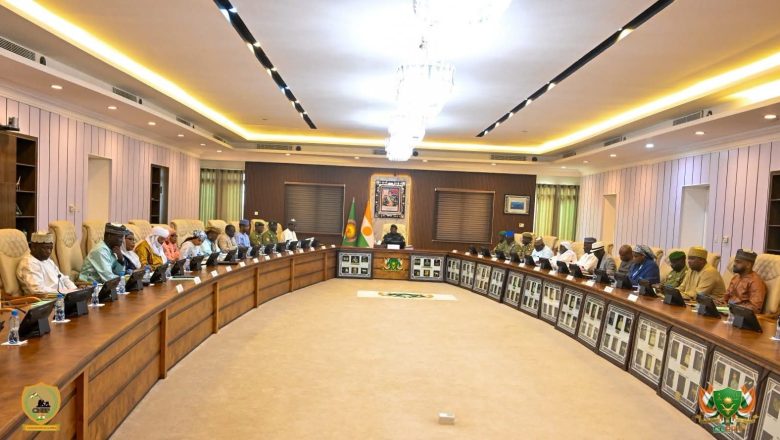
Niger's Council of Ministers adopted two draft decrees on September 10, 2026, aimed at overhauling the remuneration structure for leaders within the public sector. The new measures, approved by the government, are intended to establish a more objective relationship between the responsibilities of public enterprise leaders, the economic weight of their respective structures, and their overall compensation. This decision impacts individuals leading various public entities, including sociétés d’État, sociétés d’économie mixte à participation publique majoritaire, établissements publics à caractère industriel et commercial (EPIC), and établissements publics de prévoyance sociale across Niger. The executive branch stated its goal is to rationalize public spending and enhance accountability.
Addressing Salary Disparities
The decrees adopted by Niger's Council of Ministers are intended to eliminate salary disparities among leaders of public establishments and companies. Previously, remuneration for leaders of public establishments was often inconsistent and did not adequately reflect the financial performance of their respective structures. This created an imbalance in compensation across the public sector. The new reform aims to rectify these discrepancies by linking pay more directly to the economic weight and responsibilities of each entity. Additionally, the government's reform emphasizes enhancing the efficiency of public spending across all affected entities, which include sociétés d’État, sociétés d’économie mixte à participation publique majoritaire, établissements publics à caractère industriel et commercial (EPIC), and établissements publics de prévoyance sociale.
New Classification Criteria
Public establishments will now be categorized for leader remuneration based on their budget from the last fiscal year. This new classification system aims to standardize compensation across various public entities.
The classification logic also applies to state-owned companies, mixed-economy companies with majority public participation, industrial and commercial public establishments (EPIC), and social security public establishments in Niger. For these specific entities, the remuneration of their leaders will be determined by either their turnover or their total technical income, as reported in the last fiscal year. This approach seeks to align executive pay more closely with the economic performance and scale of each organization, ensuring a consistent framework for all affected public sector leaders. The government's goal is to establish a clear and objective link between an entity's financial standing and the compensation received by its leadership.
Broader Governance Context
The remuneration reform is integrated into a broader initiative that began in 2021, according to official statements. This multi-year process aims to enhance the governance of public enterprises across Niger. A core component of the initiative involves strengthening performance control mechanisms within these entities. The government's current adjustments to leader compensation are intended to align with this ongoing effort to improve accountability and efficiency within state-owned companies, mixed-economy companies with majority public participation, industrial and commercial public establishments (EPIC), and social security public establishments. The 2021 process sought to create a more strong framework for oversight and management.
Details Still Emerging
The government communiqué detailing the new remuneration framework did not specify the categories into which public enterprises would be sorted, nor did it outline the exact amounts or ceilings for compensation to be applied under the revised structure. Further details regarding the implementation remain pending.