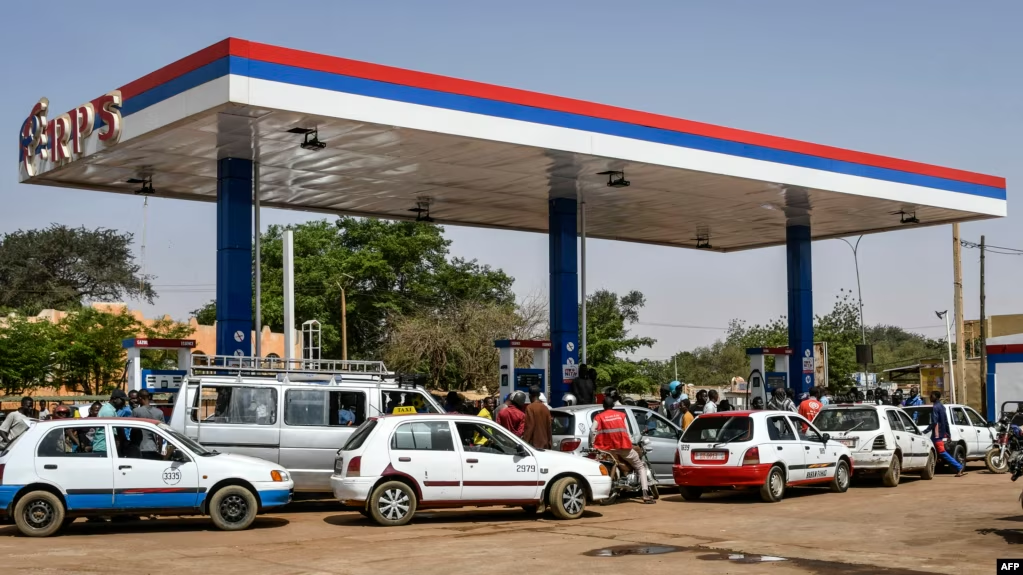
Nigerien state authorities disbursed 184 billion FCFA to subsidize gasoline and gas prices between 2022 and 2026. This financial intervention aimed to maintain affordability for consumers across the country. President Abdourahamane Tiani recently rejected a formal proposal from the parliament of the Refondation that requested an increase in fuel prices at the pump. The presidential decision ensures that current price levels remain in place despite the budgetary expenditure recorded over the four-year period. SONIDEP and SORAZ operations continue under the existing fiscal framework maintained by the administration. Government officials in Niamey maintain that these subsidies serve as a primary mechanism to stabilize energy costs for the population.
Refinery Production and Consumption
The SORAZ refinery in Zinder currently supplies 50% of the gasoline requirements and 56% of the gas needs for Niger. Domestic demand for fuel remains high across the nation. Official data indicates that national consumption averages 2.5 million liters of super gasoline per day. Regarding gasoil, the consumption levels vary between 1.4 million and 2 million liters per day. These figures represent the baseline for energy distribution managed through existing supply chains. SONIDEP oversees the allocation of these refined products to ensure availability throughout the country. Maintaining these volumes constitutes a core component of the current energy strategy. The administration continues to monitor production output from the refinery to align with these daily national consumption patterns.
Pricing Structures and Differentials
SONIDEP acquires super gasoline from SORAZ at a purchase price of 324 FCFA per liter, while imported supplies cost 698 FCFA per liter. Despite these varying procurement costs, the retail price for gasoline remains fixed at 499 FCFA per liter for consumers. Gas pricing follows a similar structure, with SONIDEP purchasing supplies from SORAZ at 120 FCFA per kilogram. In contrast, imports of gas are priced at 663 FCFA per kilogram. These figures reflect the current market differentials managed by the state to offset import expenditures while maintaining consistent fuel pricing at the pump. SONIDEP continues to oversee these transactions to ensure that the retail price point is shielded from the higher costs associated with international fuel imports.
Electricity Sector Support Costs
NIGELEC purchases gasoil from SONIDEP at a rate of 180 FCFA per liter to power its electricity operations. This procurement arrangement functions as part of the broader state-managed energy framework. The price differential resulting from the supply of gasoil to NIGELEC cost the state 32.6 billion FCFA. These funds represent the financial support required to align electricity sector operational costs with the maintained retail energy pricing structure. SONIDEP remains the primary entity overseeing the distribution of these fuel volumes to NIGELEC. The state budgetary allocation covers the gap between the cost of providing this fuel and the price paid by the electricity company. This mechanism ensures that NIGELEC maintains its capacity to provide services while operating under existing national fiscal policies.
Operational Capacity and Logistics
SONIDEP maintains an operational storage capacity of 44,000 cubic meters to facilitate the distribution of refined products across Niger. This infrastructure serves as a critical node in the national supply chain, enabling the company to manage fuel reserves effectively. By securing this volume of storage, SONIDEP ensures that refined gasoline and gas supplies from SORAZ reach domestic markets as required by state energy mandates. The facility supports the ongoing allocation process overseen by the administration to stabilize energy costs for the population. These storage capabilities allow SONIDEP to balance domestic production output with daily consumption patterns, ensuring that the supply chain remains functional under the existing fiscal framework. The company continues to monitor these logistics to align with national energy demands.