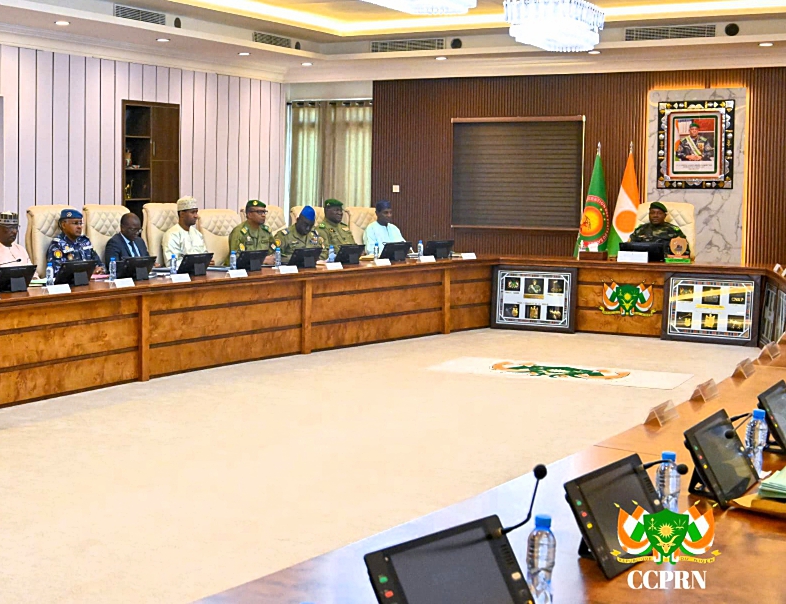
Niger's Conseil des ministres convened on Thursday, July 16, 2026, under the chairmanship of the President of the Republic, General Abdourahamane Tiani. The high-level meeting, a regular fixture in the nation's governance, focused on reviewing the progress and challenges of the ongoing 2026 agropastoral campaign, a critical pillar of Niger's economy. During the meeting, the phytosanitary situation across the country was assessed as globally calm, providing a positive indicator for crop health. Authorities reported that any localized pest outbreaks identified had been promptly treated, ensuring minimal impact on agricultural yields. This proactive approach shows the government's commitment to safeguarding food security and agricultural productivity.
Crop Development and Conditions
The agricultural landscape is currently benefiting from regular rainfall, a key factor that has supported sowing operations across various regions. This consistent precipitation has also been instrumental in facilitating strong crop development and the progressive establishment of the pastoral campaign. The favorable climatic conditions are setting the stage for a promising agricultural season.
Detailed observations indicate that the most advanced phenological stage recorded for millet, a staple crop, is 'montaison' (heading). This significant developmental milestone is particularly evident in the southern band of Niger, encompassing the departments of Kantché, Magaria, Madarounfa, Gazaoua, Falmey, Gaya, and Loga. These areas are vital for millet production, and the advanced growth stage suggests healthy crop progression. For rice crops, another essential food source, the 'étalage' (tillering/leaf development) stage has been noted. This development is observable in the departments of Falmey, Gaya, Loga, Madarounfa, Aguié, Magaria, and Mirriah. The simultaneous progress in both millet and rice cultivation notes a generally favorable start to the agricultural season across these key regions, contributing positively to the overall outlook for the 2026 campaign.
Government Support and Preparedness
The state and its partners have played a key role in bolstering the 2026 agropastoral campaign by supplying producers with essential inputs. These provisions are full and include high-quality seeds, vital fertilizers to enrich soil, pesticides to combat harmful insects, biopesticides for environmentally conscious pest control, fungicides to prevent plant diseases, and livestock feed to support animal husbandry. This extensive support package is aimed at maximizing agricultural productivity and ensuring the resilience of the sector.
Additionally, the Government has proactively implemented an anticipatory action program designed to mitigate potential disruptions and safeguard the agropastoral sector from unforeseen challenges. This full program specifically targets a range of shocks, including floods, which can devastate crops and infrastructure; dry spells, which threaten water availability; pest pressure, which can lead to significant yield losses; and the outbreak of animal diseases, which can decimate livestock populations. By preparing for these various challenges in advance, the government aims to ensure sustained viability for farming and livestock rearing communities throughout the campaign.
Economic Stability and Challenges
Economically, the average prices for main food commodities in Niger have remained globally stable when compared to figures from the previous decade. This stability provides a predictable and consistent economic environment for producers, allowing them to plan their operations with greater certainty and contributing to market confidence. The agropastoral campaign benefits significantly from this price stability, fostering a more secure income for farmers and herders. However, challenges persist within the pastoral sector, despite some positive indicators. The pastoral situation is currently characterized by the regeneration of herbaceous and woody species across various areas, which is a positive sign for grazing lands. Despite this regeneration, conditions in several pastoral zones remain a concern, requiring continued monitoring and potential intervention to ensure sustained viability for livestock rearing and the livelihoods of pastoralist communities. The government's anticipatory action program aims to address some of these underlying vulnerabilities.