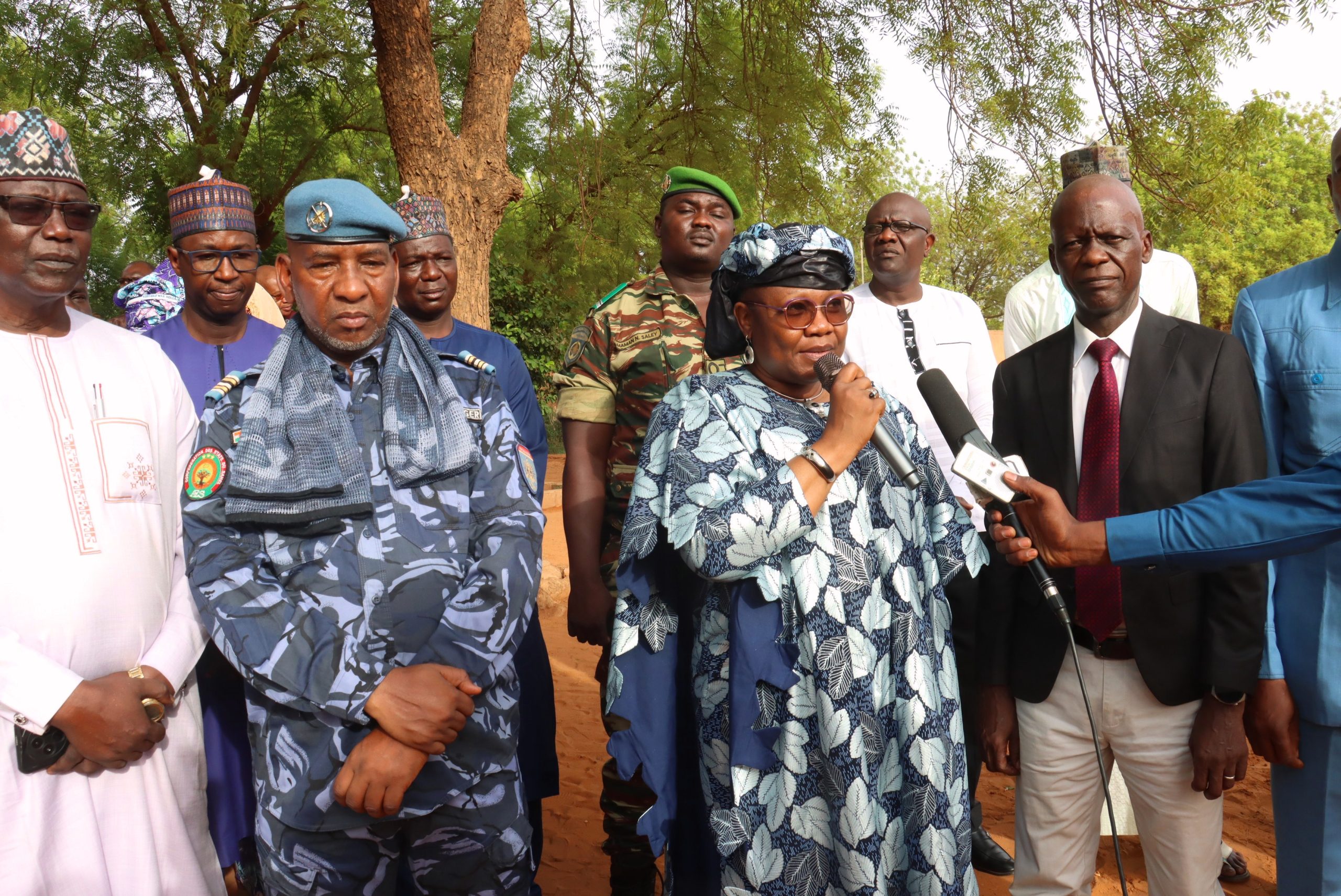
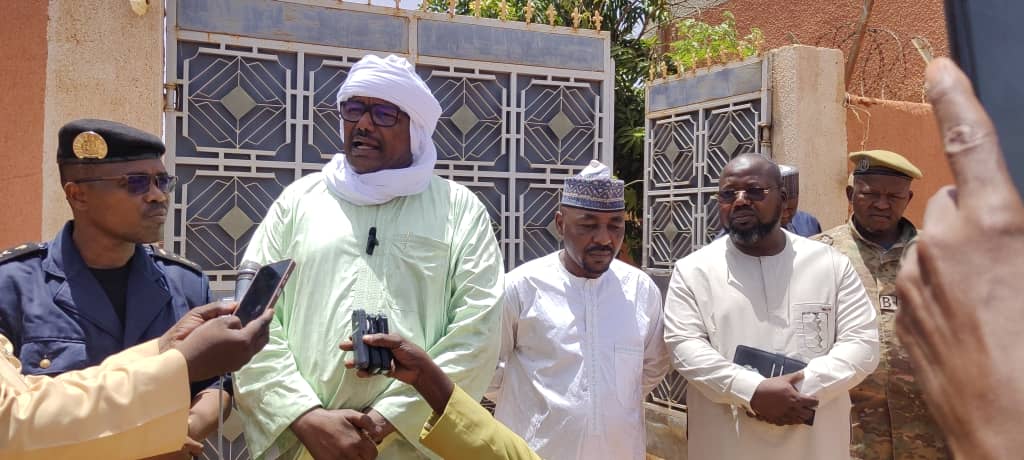
A delegation from Niger's Court of Accounts participated in the Russia-Islamic World Forum held in Kazan, Russia. This significant international gathering provided a platform for the Nigerien financial oversight body to engage with a broad spectrum of global actors. The event marked an international engagement for the Nigerien financial oversight body, according to reports, signaling its active role in global dialogues. Their presence at the forum, which convened representatives from Russia and various Islamic countries, showed Niger's involvement in international dialogues concerning finance and governance, noting a proactive stance in foreign relations. The forum serves as a platform for discussions on economic, political, and cultural cooperation between Russia and the Islamic world, fostering a deeper understanding and collaboration among participants. Niger's Court of Accounts, responsible for auditing public finances, joined other international participants in the proceedings, contributing its perspective on financial probity and accountability. This participation suggests a growing interest in sharing best practices and forming new alliances in the realm of state financial management.
Forum's Purpose and Scope
The forum took place in Kazan, the capital of Tatarstan, a republic within Russia. This choice of venue is strategic, given Kazan's unique position as a cultural bridge. The event brought together officials and representatives from diverse sectors to discuss economic, political, and cultural cooperation, thereby strengthening multifaceted relationships. Participants engaged in dialogues aimed at strengthening ties between Russia and the Islamic world, covering areas such as trade, investment, and inter-cultural exchange, promoting mutual growth and understanding. The gathering provided a platform for sharing perspectives on global and regional challenges, as well as exploring opportunities for collaborative initiatives to address contemporary issues. Kazan, known for its multi-ethnic and multi-religious heritage, frequently hosts international events fostering dialogue between different cultures and civilizations, making it an ideal location for such a forum. This rich heritage contributes to an atmosphere conducive to open discussion and partnership building. The forum's agenda included various sessions and discussions, facilitating interactions among delegates from numerous countries, ensuring a full exchange of ideas. These discussions often focus on identifying common interests and developing strategies for mutual benefit, aiming for tangible outcomes. The presence of international bodies like Niger's Court of Accounts at such forums indicates a broader interest in transnational cooperation on matters of governance and financial oversight, extending beyond traditional diplomatic channels. This engagement shows the importance of shared accountability in public finance. The event structure typically involves keynote speeches, panel discussions, and bilateral meetings designed to foster concrete outcomes and partnerships among participating nations and organizations, allowing for both broad strategic discussions and specific, targeted interactions. These structured engagements are key for translating dialogue into actionable cooperation.
Niger's Delegation Significance
The participation of Niger's Court of Accounts in the Russia-Islamic World Forum in Kazan signals a notable shift in the West African nation's international engagements. This move reflects a deliberate strategy to broaden its diplomatic and economic horizons. The presence of a key financial oversight institution from Niger at this forum shows a broader reorientation of its foreign policy, particularly following recent geopolitical developments in the region, suggesting a desire for diversified international partnerships. The Court des comptes nigérienne, responsible for ensuring transparency and accountability in public finance management, joined representatives from numerous countries, indicating Niger's intent to forge new partnerships beyond traditional alliances and explore alternative frameworks for cooperation. This active engagement demonstrates Niger's commitment to strengthening its national institutions through international collaboration.
Historically, Niger has maintained strong ties with Western nations, relying on these relationships for various forms of support and cooperation. However, its attendance at a forum focused on strengthening cooperation between Russie and the Monde islamique suggests an exploration of alternative diplomatic and economic avenues, reflecting a more independent foreign policy stance. This diversification of international partners is a key element of Niger's evolving strategy. The forum itself, held in Kazan, serves as a platform for discussions on economic, political, and cultural collaboration, offering opportunities for participating nations to establish new relationships and discuss shared interests, which aligns with Niger's strategic objectives. For Niger, this engagement could signify an effort to diversify its international partners and explore new frameworks for technical and financial cooperation, potentially opening doors to new sources of investment and expertise. This strategic pivot allows Niger to engage with emerging global powers and regional blocs.
The decision by the Nigerien delegation to attend the event notes a strategic move to engage with emerging global players and regional blocs, seeking to enhance its geopolitical standing. Such participation allows institutions like the Court of Accounts to exchange best practices in financial governance and audit mechanisms with a diverse group of international counterparts, fostering mutual learning and capacity building. This exchange of knowledge is vital for modernizing public financial management. This engagement could potentially lead to new avenues for capacity building, knowledge transfer, and collaboration on issues related to public financial integrity, which are key for stable governance. The insights gained from such interactions can be instrumental in strengthening domestic oversight mechanisms.
The presence of Niger at this forum, as reported by the Agence Nigérienne de Presse, reflects a proactive approach to foreign relations, indicating a deliberate effort to shape its international trajectory. It indicates Niger's interest in contributing to and benefiting from discussions that shape the economic and political landscape among countries of the Islamic world and Russia, positioning itself as an active participant in global governance. The Court of Accounts' involvement specifically suggests a focus on strengthening internal governance structures through international cooperation, potentially seeking support or expertise from new partners in areas of financial oversight and anti-corruption efforts, which are critical for national development. This engagement represents a deliberate step in Niger's evolving diplomatic strategy, aiming to broaden its international scope and assert its presence on various global platforms, thereby enhancing its influence and securing its interests in a changing world order. This strategic engagement shows a commitment to strong and transparent financial management within the country.
Broader Russia-Islamic Relations
The Russia-Islamic World Forum, an annual event, aims to foster economic, political, and cultural cooperation between Russia and the Islamic world. This long-standing initiative shows a consistent effort to build enduring relationships across diverse regions. Held in Kazan, the capital of Tatarstan, the forum serves as a platform for dialogue and partnership building among participating nations and organizations, leveraging the city's unique cultural confluence. The consistent convening of this event reflects a strategic effort by Russia to deepen its engagements with countries across the Islamic sphere, cultivating trust and mutual understanding. This commitment is evident in the forum's growing prominence and the breadth of its agenda.
This initiative is part of Russia's broader foreign policy objectives, which seek to diversify international partnerships and enhance its global influence, particularly in regions where traditional alliances may be shifting. The forum brings together a wide array of stakeholders, including government officials, business leaders, and cultural figures, to discuss common interests and explore avenues for collaboration, creating a full network of engagement. Discussions often encompass trade, investment, energy, technology, and humanitarian issues, noting the multifaceted nature of these relationships and the wide scope of potential cooperation. This holistic approach ensures that various aspects of bilateral and multilateral relations are addressed.
For countries in the Islamic world, participation in the Kazan forum offers opportunities to engage with a major global power outside traditional Western-centric frameworks, providing an alternative platform for diplomatic and economic interaction. It allows for the exploration of alternative economic and political alliances, potentially leading to new trade routes, investment opportunities, and diplomatic support, which can be key for national development and sovereignty. The forum's structure facilitates both multilateral discussions and bilateral meetings, enabling delegates to forge specific agreements and partnerships, thereby translating dialogue into concrete actions and collaborations. These direct engagements are key to building strong, lasting relationships.
The presence of institutions like the Cour des comptes nigérienne at the forum shows the increasing relevance of these platforms for various aspects of international cooperation, including governance and financial oversight, extending beyond purely political or economic discussions. Such participation indicates a mutual interest in sharing expertise and collaborating on issues pertinent to public administration and economic development, fostering a global community of practice. The Agence Nigérienne de Presse has reported on such engagements, noting their significance in the evolving global landscape and the strategic importance placed on these international interactions. These reports emphasize the proactive role Niger is taking in shaping its international relations.
The forum also plays a role in promoting cultural understanding and interfaith dialogue, leveraging Kazan's unique position as a city with a rich multi-ethnic and multi-religious heritage. This cultural dimension is integral to building stronger, more sustainable relationships between Russia and the Islamic world, moving beyond purely economic or political considerations to foster deeper human connections. The event has consistently grown in scope and participation, reflecting the enduring commitment of its organizers and attendees to strengthening these ties and expanding the reach of this important international dialogue. This growth signifies the increasing importance placed on such platforms for fostering global cooperation and understanding.