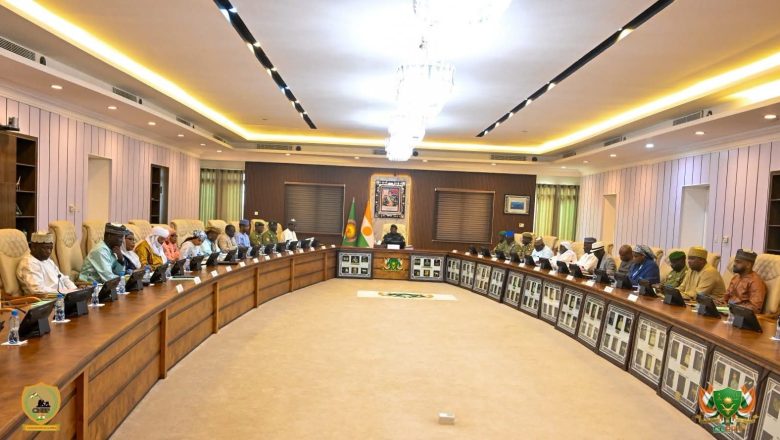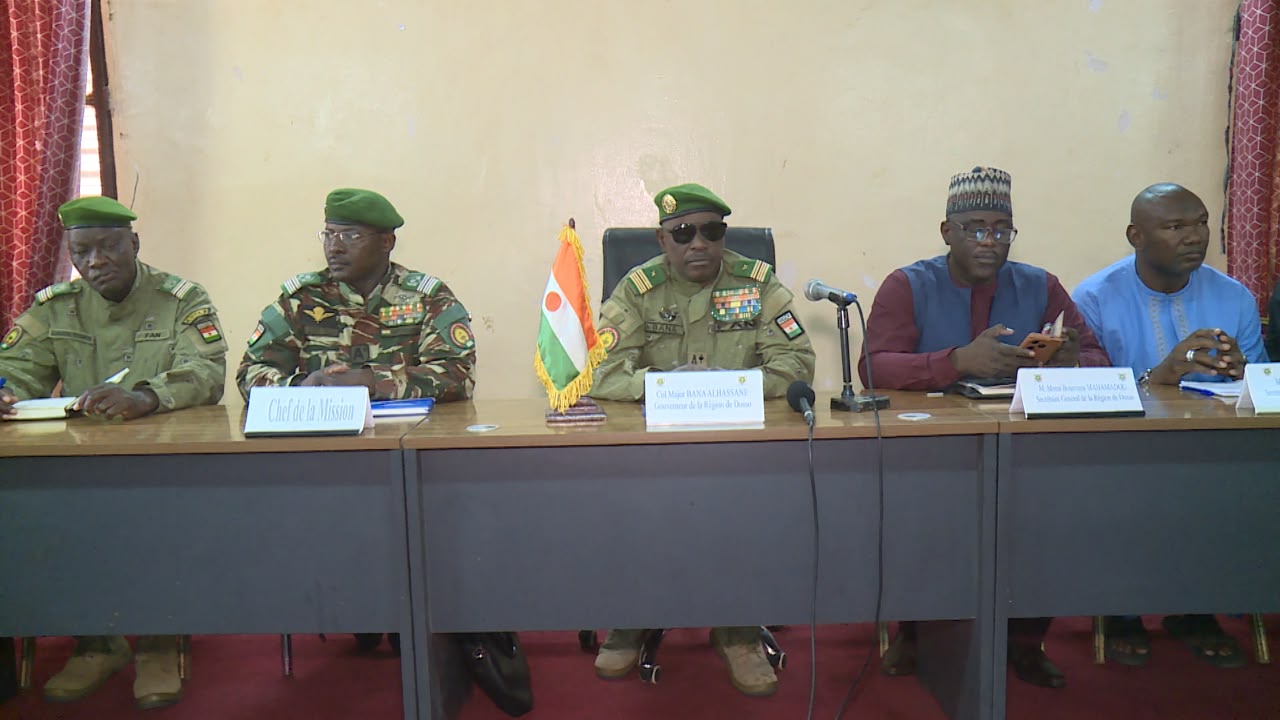
A high-level meeting took place on September 11, 2026, at the Dosso governorate in Niger, involving a committee from the Ministry of National Defense to address security reforms and strengthen local defense capabilities. This significant gathering brought together a broad spectrum of local leaders, including administrative, customary, and religious authorities from across the Dosso region, showing the collaborative nature of the initiative. Colonel-Major Bana Alhassane, the governor of Dosso, stated unequivocally that security is a shared responsibility among all stakeholders, from state institutions to local communities. Governor Alhassane emphasized that the primary objective of these concerted efforts is to ensure the tranquility of the populations within the region, fostering an environment of stability and safety. The gathering specifically aimed to implement a new security framework by comprehensively overhauling existing community defense committees, integrating them more formally into the national security architecture. This strategic shift is designed to enhance the effectiveness of local security initiatives and ensure their alignment with broader national defense objectives.
New Legal Framework Explained
The legal framework governing territorial self-defense organizations, known as 'Domon Leydi', was formally presented and thoroughly explained during the September 11 meeting. This full framework is established by ordinance n°2026-15, issued on March 27, 2026, providing a clear legal basis for the restructuring and operation of these vital community groups. The new guidelines emphasize several key principles for restructuring these committees, with voluntary citizen participation identified as a foundational element and a pillar of national security. This principle notes the importance of active community involvement in their own defense. The framework mandates close collaboration between the 'Domon Leydi' organizations and the country's existing defense and security forces. This collaboration aims to integrate community efforts more effectively into the broader security strategy for the Dosso region, ensuring a cohesive and coordinated approach to local and regional security challenges. The ordinance clarifies the roles and responsibilities of these civilian groups, ensuring their activities align with national security objectives and legal parameters, thereby preventing unauthorized or unregulated actions. The introduction of 'Domon Leydi' reflects a deliberate effort to formalize and integrate community-level security initiatives within a structured national defense approach, moving away from informal or ad-hoc arrangements.
Governor Emphasizes Shared Security
The meeting on September 11 brought together a broad spectrum of local leaders, including administrative, customary, and religious authorities from the Dosso region, reflecting a unified approach to security challenges. The mission overseeing the overhaul of community defense committees was led by Colonel Halidou Issa, who serves as the commander of the gendarmerie mobile and was the head of the delegation. Colonel Issa articulated that the 'Domon Leydi' organizations are specifically designed to complement the operations of the established defense and security forces, not to replace them. He further explained that these community-based structures will play a key role in enhancing the overall security posture of the region. Their role is to integrate community-level efforts into the broader security architecture, working in conjunction with state actors to enhance regional stability and resilience against various threats. This collaborative approach aims to leverage local knowledge, community trust, and direct participation to bolster security measures across Dosso, creating a more strong and responsive defense system. The emphasis on shared responsibility and partnership between state forces and local populations is central to the success of this new security paradigm.
Community Security in Practice
The mission's primary objective was to explain the new orientations regarding community security to local stakeholders, ensuring a clear understanding of the 'Domon Leydi' framework. Members of the delegation elaborated extensively on the restructuring process for existing vigilance committees and various self-defense groups operating within the Dosso region. This detailed explanation was key for gaining local buy-in and facilitating a smooth transition. This restructuring is central to the implementation of the new legal framework, aiming to bring all community security initiatives under a unified and regulated umbrella.
A key principle emphasized by the mission was the necessity for an official and responsible framework to guide all local security initiatives. This framework aims to ensure that community-led efforts are integrated into a coherent and accountable structure, working in concert with established national defense and security forces. The discussions showed the importance of formalizing these groups to enhance their effectiveness, provide them with necessary support, and ensure their operations align with broader security objectives and legal requirements. The goal is to create a more organized, regulated, and ultimately more effective approach to community participation in regional security, fostering an environment where local efforts contribute directly to national stability. This structured approach is expected to improve coordination, intelligence sharing, and overall responsiveness to security threats within the Dosso region.