Niger's available electricity power at the national level currently stands at 294 MW, according to recent reports. This figure represents the total operational capacity within the country's power infrastructure, reflecting the amount of electricity that is actively being generated and supplied to consumers. The current output level was noted in discussions regarding the nation's energy sector, drawing attention to the practical realities of power supply across the country. These discussions aim to provide a clear picture of the energy landscape and inform future policy decisions.
Current Power Generation Status
The total installed electricity capacity within Niger is currently 420 MW. This figure represents the maximum potential output from the country's power generation facilities, encompassing all power plants and their theoretical full operational capability. However, the nation's available electricity power at the national level is 294 MW, indicating a significant gap between the installed capacity and the actual operational output. This discrepancy means that a substantial portion of the existing power infrastructure is not fully utilized or operational at its design capacity. The difference between the 420 MW installed capacity and the 294 MW available power notes challenges in electricity generation, distribution, or maintenance. This gap of 126 MW signifies a considerable amount of potential energy that is not currently being harnessed.
Further details regarding the specific factors contributing to this gap were not immediately provided, but the figures show the current state of Niger's energy production capabilities. The operational output of 294 MW contrasts sharply with the higher theoretical capacity, suggesting areas for potential improvement or further investment to optimize existing resources. Addressing this underutilization could lead to a more strong and reliable power supply for the nation. The disparity points to a need for strategic interventions that could range from infrastructure upgrades to enhanced operational efficiencies.
Ministerial Statement Details
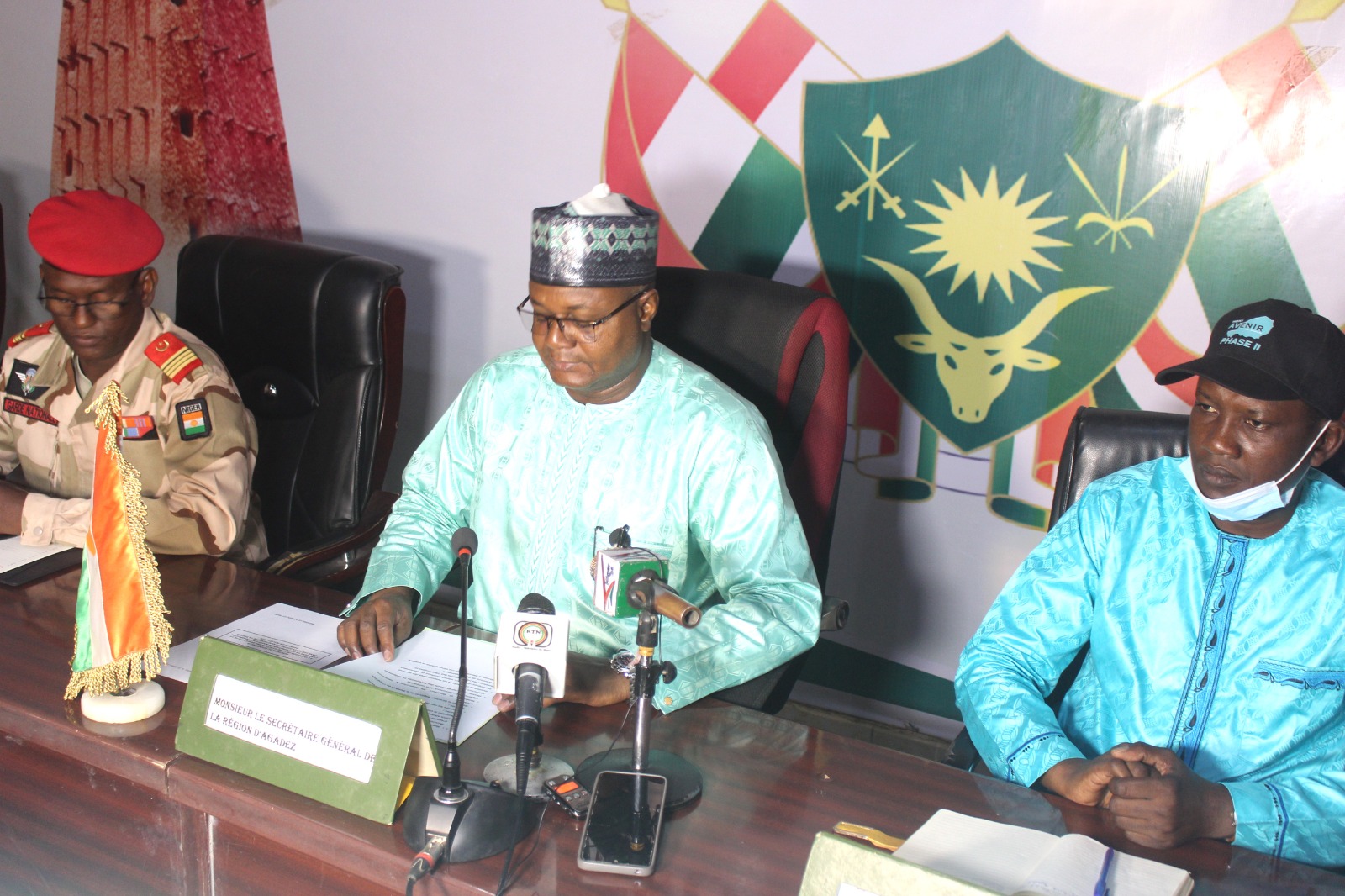
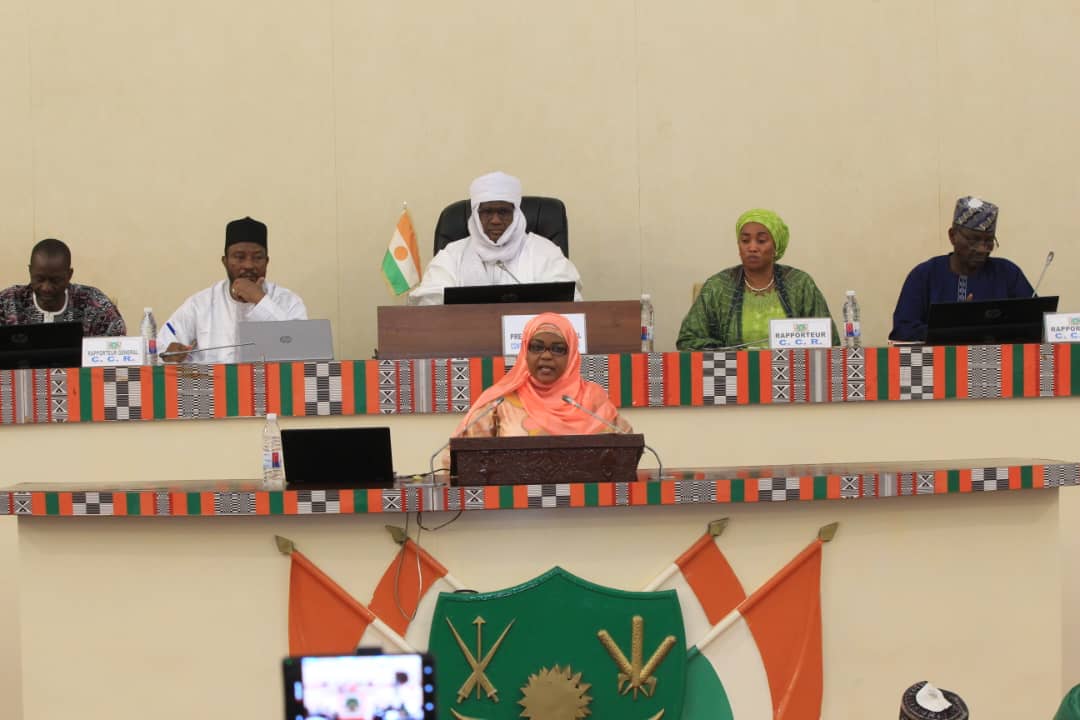
The Minister of Energy, Pr Amadou Haoua, issued this statement on Wednesday, July 22, 2026, outlining the current state of Niger's electricity production. Pr Haoua presented the figures as part of a broader assessment of the nation's energy sector, detailing both the operational capacity and the total installed potential. His remarks provided an official update on the country's power generation capabilities, noting the key gap between available power and total installed capacity. The Minister's address showed the government's recognition of the challenges within the electricity supply framework, acknowledging the need for transparency regarding the nation's energy resources.
He delivered the report during a public briefing, where he also discussed various aspects of energy infrastructure and future development plans for the sector in Niger. This public disclosure by Pr Haoua emphasizes the government's commitment to addressing energy concerns and providing clarity on the current situation. The statement serves as a foundational reference point for understanding the current limitations and future aspirations of Niger's energy policy. The Minister's detailed presentation aimed to inform both the public and stakeholders about the realities of power generation.
Broader Context and Implications
The disparity between Niger's installed electricity capacity and its actual output reflects broader challenges facing the nation's energy infrastructure. While the country possesses a theoretical maximum generation potential of 420 MW, operational constraints or maintenance issues currently limit the available power to 294 MW. Addressing this significant gap could involve strategic investments in infrastructure upgrades, the implementation of improved maintenance protocols across power generation facilities, or optimizing the utilization of existing facilities to bring them closer to their full design capacity. The situation shows the ongoing efforts required to enhance energy security and reliability within Niger, which are critical for national development.
Reliable electricity supply is often considered key for economic development, as it supports industries, facilitates commerce, and improves the quality of life for citizens by enabling access to essential services and modern conveniences. The Minister of Energy, Pr Amadou Haoua, has publicly acknowledged the current state, suggesting a clear awareness at the governmental level regarding the need for strategic interventions to bridge this production deficit. Future announcements or policy decisions from the government may elaborate on specific plans to close this production gap and ensure a more consistent and strong power supply across the nation, thereby supporting sustainable growth and improving public welfare.