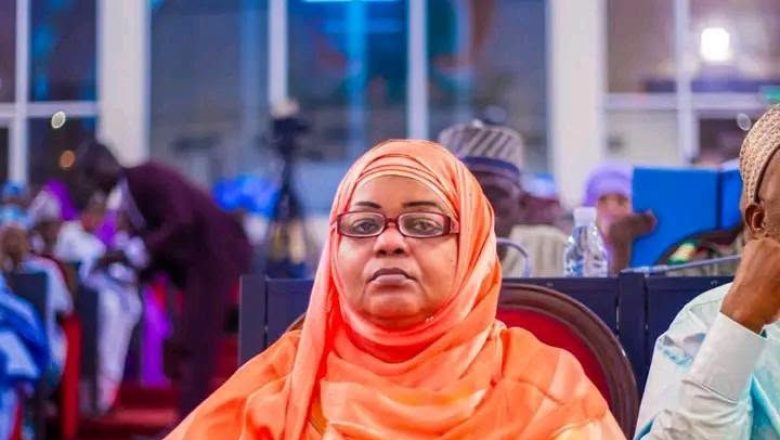
Niger's Minister of Energy, Pr Amadou Haoua, presented the government's energy policy and reforms to the Consultative Council for Reconstruction (CCR) on Tuesday. The presentation marked the first instance a government member underwent such an accountability exercise during the CCR's 2026 ordinary session, setting a new precedent for governmental transparency and oversight. Minister Haoua detailed the administration's strategies and progress in the energy sector during the unprecedented session, offering a full look into the nation's energy future. This significant event showed the government's commitment to engaging directly with legislative bodies on critical national policies.
Key Policy Discussions
Discussions during the session focused on several key areas, providing a holistic view of the challenges and opportunities within Niger's energy landscape. These included strategic orientations for the energy sector, aimed at charting a clear path for future development and sustainability. Significant attention was also given to improvements in governance within energy institutions, ensuring efficiency and accountability. The expansion of electricity access across Niger was a central theme, noting efforts to bring reliable power to more communities. The role of independent power producers was thoroughly examined, alongside the development of effective regulatory mechanisms within the industry to foster a competitive and fair energy market.
A central topic throughout the proceedings was the Kandadji dam project, which generated significant discourse among council members and the minister. This major infrastructure initiative is seen as key for both energy generation and water management in the country. Minister Amadou Haoua also advocated for the reinforcement of multifunctional platforms specifically designed for rural women. She stated that these platforms are key for stimulating economic activities and enhancing living conditions in rural communities, recognizing the vital role women play in local economies. The minister's presentation aimed to provide a full overview of current policies and future plans for Niger's energy landscape, addressing both large-scale infrastructure and grassroots initiatives with equal importance.
Accountability and Engagement
During the rigorous Question and Answer session, members of the Consultative Council for Reconstruction (CCR) addressed 53 questions to Minister of Energy Pr Amadou Haoua and her accompanying team. This extensive number of inquiries showed the CCR's detailed scrutiny of the government's energy strategy, ranging from operational specifics of power generation to regulatory oversight. The Minister was joined by officials from several key energy sector entities, including NIGELEC, ANPER, ANERSOL, SONICHAR, SNCC, CONTRELEC, CMEN, and ARSE. This collective presence showed the breadth of expertise available to respond to the council's inquiries regarding Niger's energy policies and reforms, ensuring that all aspects of the sector were adequately represented and explained. The session facilitated a strong exchange, allowing for clarity on policy implementation and future directions.
Broader Sector Context
Minister of Energy Pr Amadou Haoua showed the importance of Niger's self-reliance in the energy sector during her presentation to the Consultative Council for Reconstruction (CCR). She emphasized the nation's need to increasingly depend on its own capacities for energy transformation, moving away from external reliance. This statement noted a strategic shift towards domestic resources and expertise in developing Niger's energy infrastructure and supply, aiming for greater energy sovereignty. The focus on internal capabilities aligns with broader discussions on national sovereignty and economic independence within the energy domain. It suggests a policy direction aimed at reducing external dependencies and fostering local development in power generation and distribution. The minister's remarks situated the current energy reforms within a larger framework of national empowerment, stressing that a strong domestic energy sector is fundamental to Niger's overall development and stability.